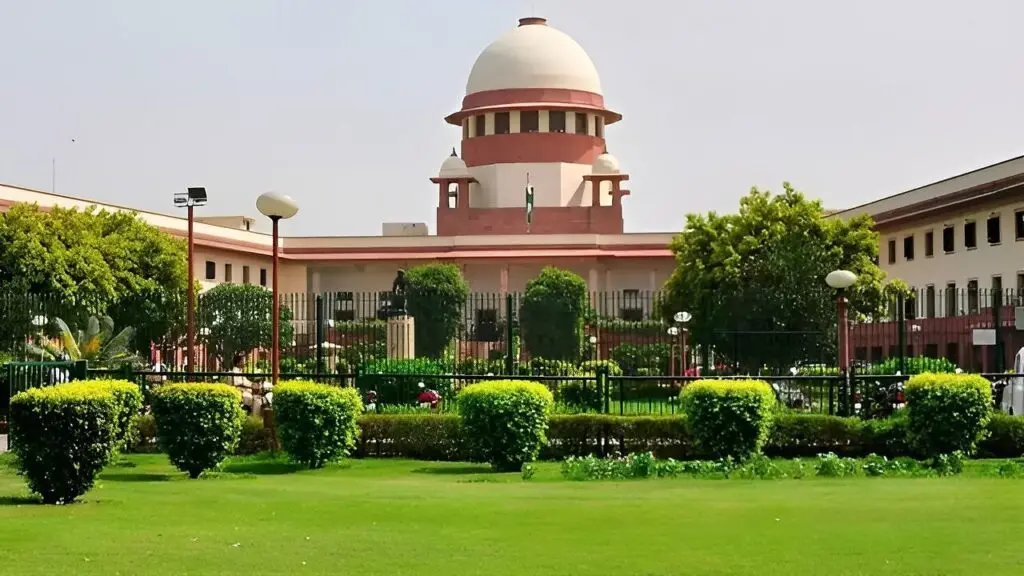























Now Reading: SC refuses uniform demolition policy, leaves it to states
-
01
SC refuses uniform demolition policy, leaves it to states


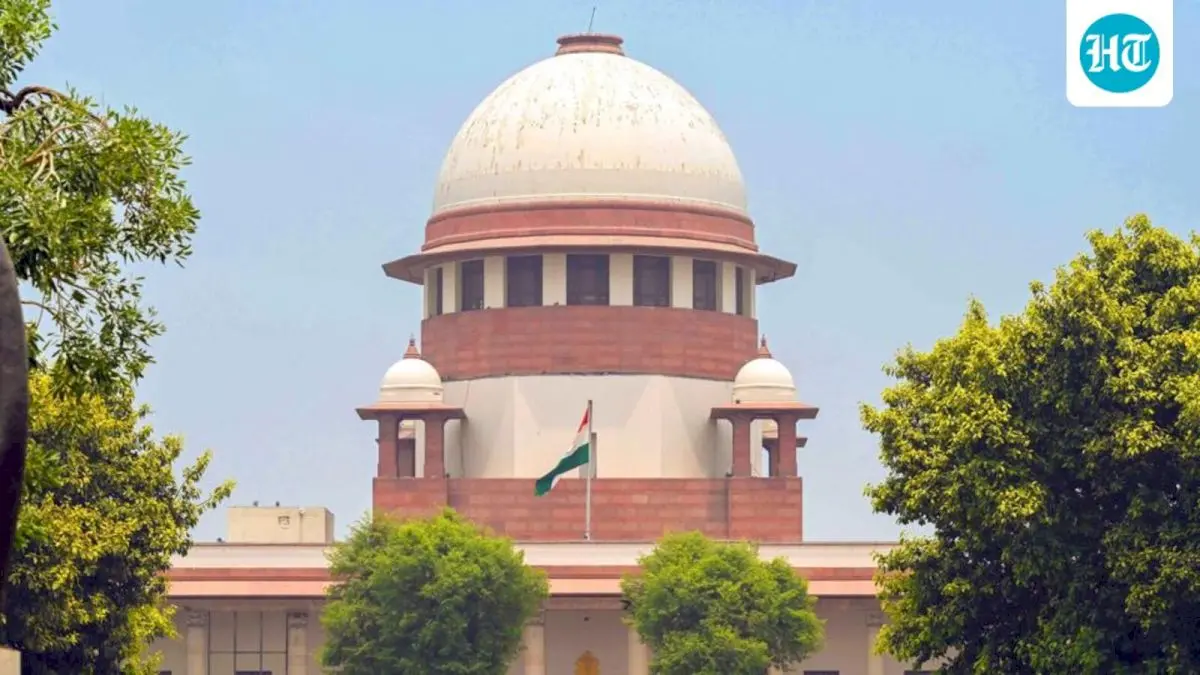
The Supreme Court on Wednesday declined a plea seeking a uniform national policy for the demolition and regularisation of unauthorised constructions, saying it cannot impose a single framework on all states. Hearing…
The Story in Brief
The Supreme Court on Wednesday declined a plea seeking a uniform national policy for the demolition and regularisation of unauthorised constructions, saying it cannot impose a single framework on all states. Hearing a petition by the Centre for Law and Good Governance, a bench headed by Chief Justice Surya Kant said ground realities vary too much across states for the court to prescribe blanket rules.

The petitioner argued that Andhra Pradesh, Telangana and Delhi have settlement policies, but other states demolish unauthorised colonies without rehabilitation. The court noted it has already laid down safeguards, including a mandatory 15-day notice before demolition except on public land. It asked states to consider the issues raised in the petition while formulating or revisiting their own policies.
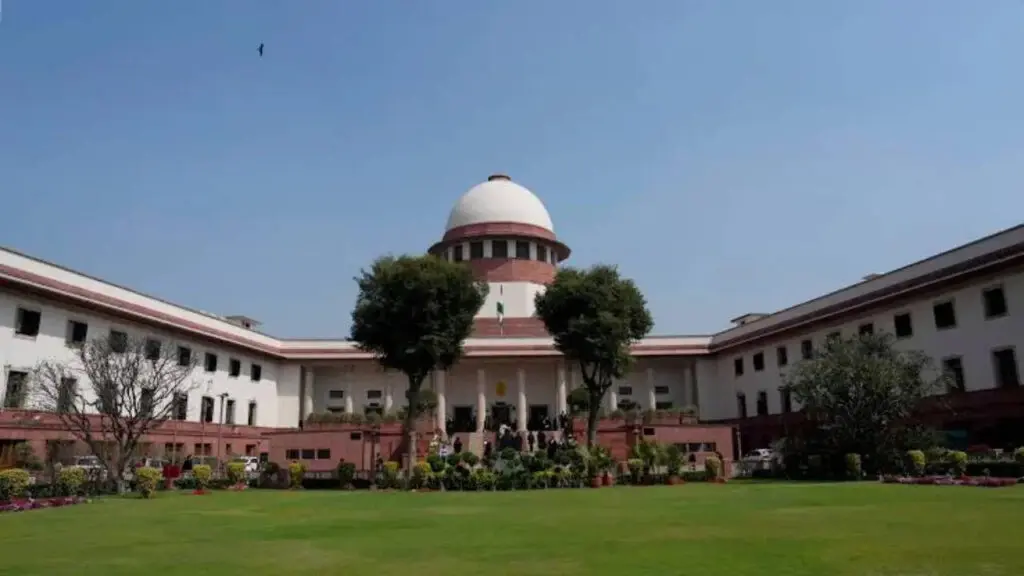
The Indian Opinion
The petition's framing pits right to shelter against the rule of law, but the court rightly resisted a one-size-fits-all order. States vary wildly in land pressures, revenue needs, and unauthorised-colony histories. Yet the underlying problem remains: poor families live for decades in settlements, paying taxes and utility bills, only to face sudden demolition with no rehab plan. The real test is whether any state now voluntarily adopts a transparent regularisation-and-rehabilitation framework, and how quickly complaints of arbitrary demolition still reach the high courts.
Sources (3): hindustantimes.com, greaterkashmir.com, timesnownews.com
This story was synthesised by AI from the 3 sources linked above.
Updated: this story now draws on 3 sources.