

















Now Reading: Chhattisgarh High Court: No cheating without deception in marital concealment case
-
01
Chhattisgarh High Court: No cheating without deception in marital concealment case

Chhattisgarh High Court: No cheating without deception in marital concealment case


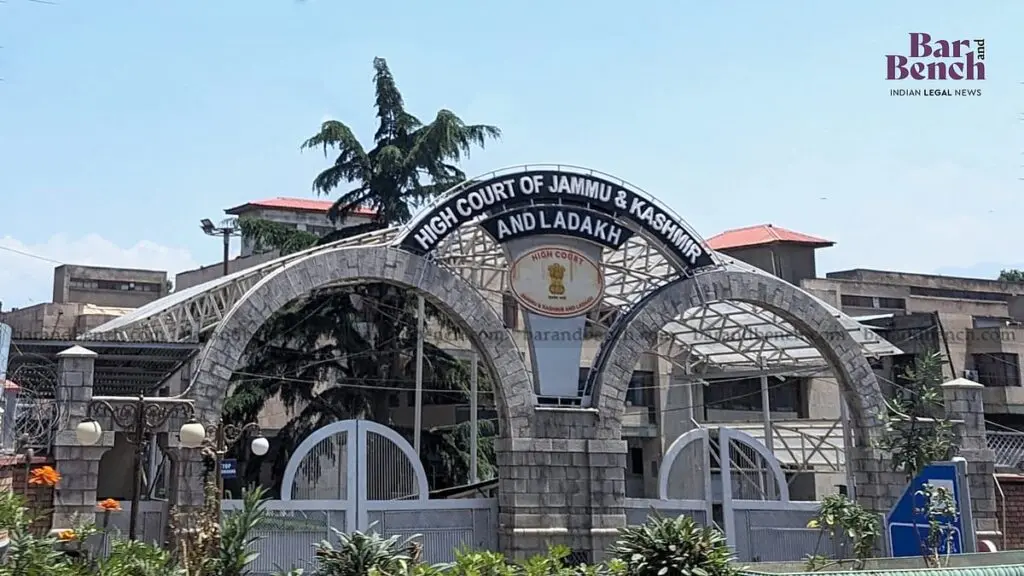
The Chhattisgarh High Court has ruled that merely not disclosing a previous marriage does not amount to cheating under Section 420 IPC unless deception and dishonest inducement are proved. A division bench of Chief Justice Ramesh Sinha and Justice Ravindra Kumar Agrawal quashed criminal proceedings against a woman accused of concealing her marital status at the time of marriage.

The court was hearing a petition by Rashi Sharma, who married the complainant while her divorce from an earlier marriage was pending. She argued that the complainant knew about her earlier marriage and the pending divorce. The court agreed that the essential ingredients of cheating were missing, noting that a mere non-disclosure without fraudulent intent does not constitute an offence.
The court also held that charges under Section 494 IPC (bigamy) failed because the prosecution could not prove the first marriage was validly subsisting when the second marriage was solemnised. It observed that continuing the case would be an abuse of process. The order dated July 24, 2024, directing registration of the FIR, has been quashed.
Indian Opinion Analysis
This ruling clarifies that criminal courts cannot entertain matrimonial disputes as cheating cases unless the complainant shows fraudulent intent from the start. The Supreme Court's 2000 judgment in Hridaya Ranjan Prasad Verma v. State of Bihar, cited here, sets a high bar: a broken promise is not cheating. For Section 494 IPC, the complainant must prove the first marriage was valid and ongoing when the second took place, which often fails without a prior court declaration of nullity. The practical effect: hundreds of pending FIRs that blur civil and criminal law may now face quashing if they rest only on non-disclosure of marital history. The next step is for trial courts across the state to apply this standard in similar bail and discharge pleas.
Source: livelaw.in
This story was synthesised by AI from the source linked above. Methodology and corrections.