















Now Reading: Chinese wildflower confirmed as carnivorous, Darwin vindicated
-
01
Chinese wildflower confirmed as carnivorous, Darwin vindicated



A wildflower in southwestern China has been confirmed as carnivorous, settling a mystery that intrigued Charles Darwin. Saxifraga candelabrum, found in nutrient-poor rock crevices in Yunnan and Sichuan, traps small insects on…
The Story in Brief
A wildflower in southwestern China has been confirmed as carnivorous, settling a mystery that intrigued Charles Darwin. Saxifraga candelabrum, found in nutrient-poor rock crevices in Yunnan and Sichuan, traps small insects on sticky hairs and digests them. Researchers at the Kunming Institute of Botany found that 43 of 45 herbarium specimens, collected between 1888 and 2016, still had insects stuck to them.
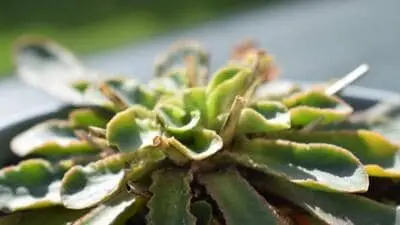
In a study published in Nature Communications, the team showed the plant's hairs produce a digestive enzyme and that nitrogen from fruit flies enriched with a traceable form entered the plant's tissues, with the highest levels in the flowers. The plant appears to lure prey with scent, but mainly traps small midges while larger pollinators escape. Co-author Douglas Soltis praised Darwin's "scientific judgment".
The Indian Opinion
The breathless framing that this plant 'vindicates Darwin' oversells the link; he studied two European saxifrages, not this Chinese species, so his guess about those remains untested. The real story is more inspiring: a routine look at old museum specimens revealed a new carnivore hiding in plain sight. India holds millions of such specimens, yet rarely mines them for similar discoveries. The test to watch for is whether the Botanical Survey of India starts such a search, or lets this lead lapse.
Sources (2): hindustantimes.com, economictimes.indiatimes.com
This story was synthesised by AI from the 2 sources linked above.
Updated: this story now draws on 2 sources.