








Now Reading: CISF replaces territorial command with functional sector model
-
01
CISF replaces territorial command with functional sector model


The Story in Brief
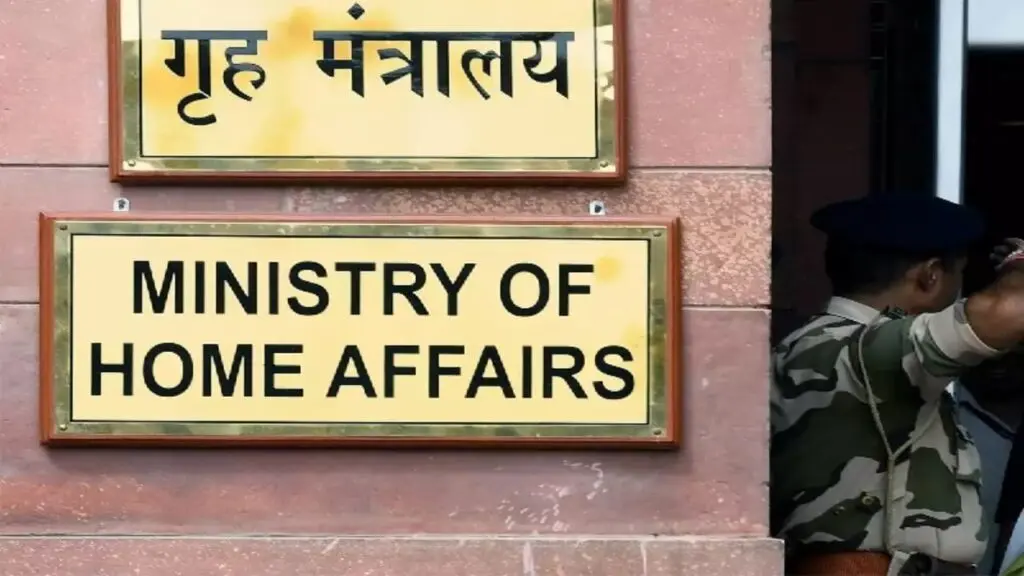
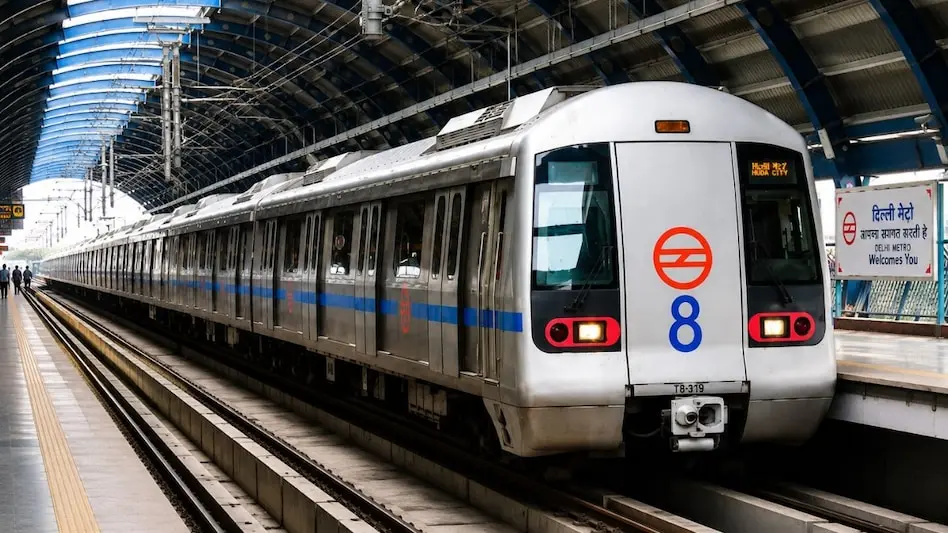
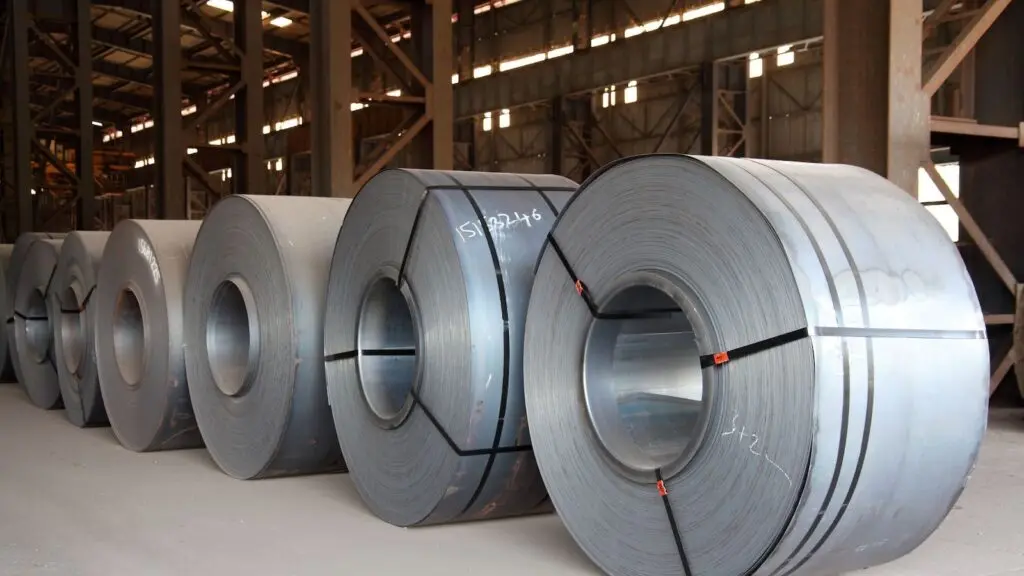
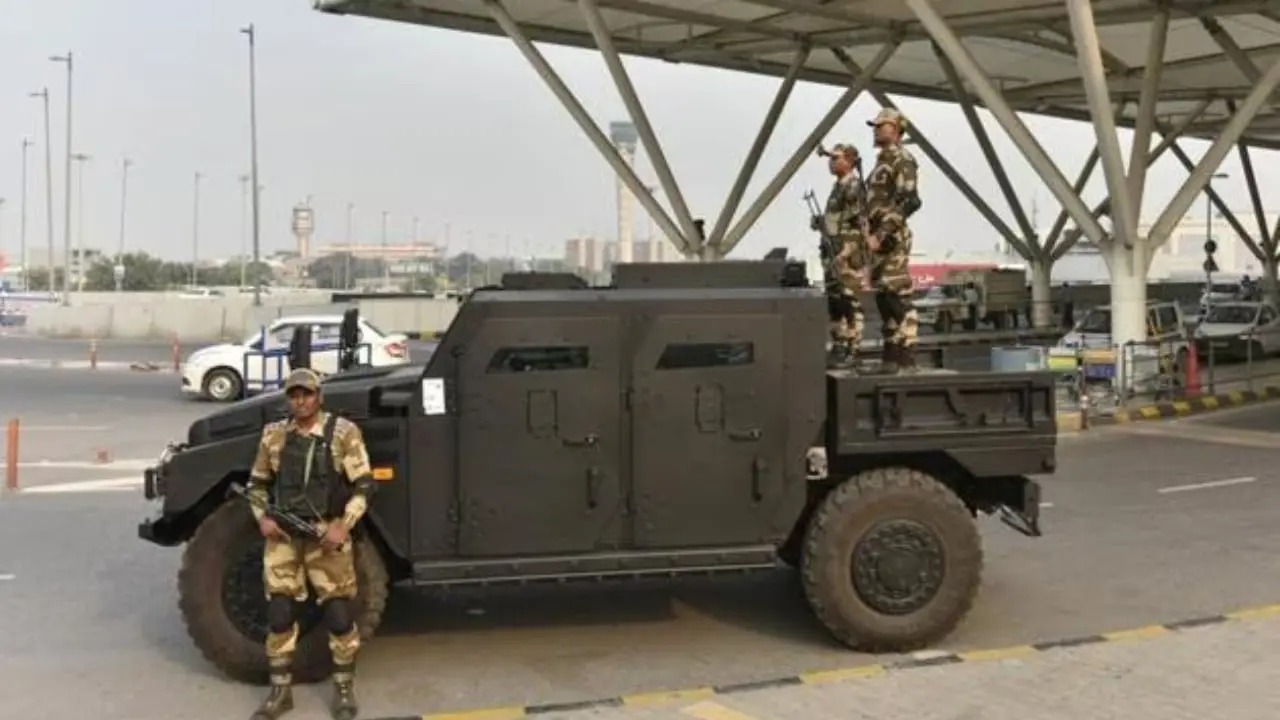
The Central Industrial Security Force (CISF) on 1 November replaced its 56-year-old territorial command model with a functional sector architecture, approved by the Ministry of Home Affairs. Under the new system, all similar industrial units across the country, power plants, coal mines, steel mills, ports, petroleum and gas facilities, government buildings, museums, monuments and the Delhi Metro, will each be overseen by a dedicated sector. Earlier, a single field formation handled units from different industries within its zone. The Mumbai-based Western Sector has been renamed West Coast Port Sector, and the Chennai-based Southern Sector as East Coast Port Sector. The government designated CISF as the nodal seaports security force in 2025. The force has about 2.70 lakh personnel and secures over 70 civilian airports.
Indian Opinion Analysis
All five sources report the same facts in near-identical wire copy: the territorial-to-functional restructuring approved by the Ministry of Home Affairs, the 11 new sectors, the renaming of the Western and Southern Sectors, and the 2025 port force designation. Hindustan Times, Amar Ujala, Bhaskar, Deccan Chronicle and India TV each lead with the CISF statement and include the same operational details, such as the prior zoning example and the atomic/airport exceptions. India TV adds a table of sector headquarters not found in the others. The uniform coverage leaves no framing gap to analyse, the story itself is a government announcement relayed without editorial comment. The key watch item is whether the functional model produces the specialist expertise CISF says it will.
Coverage: 5 sources, 5 neutral
Sources (5): hindustantimes.com (neutral report), amarujala.com (neutral report), bhaskar.com (neutral report), deccanchronicle.com (neutral report), indiatvnews.com (neutral report)
This brief was synthesised by AI from the 5 sources linked above, so one read covers every framing they carry. Methodology and corrections.
Update, 2 November 2026: this story now draws on 5 sources.