
















Now Reading: Delhi HC refers four UGC-NET questions to experts, sets limit on answer-key review
-
01
Delhi HC refers four UGC-NET questions to experts, sets limit on answer-key review

Delhi HC refers four UGC-NET questions to experts, sets limit on answer-key review


The Story in Brief
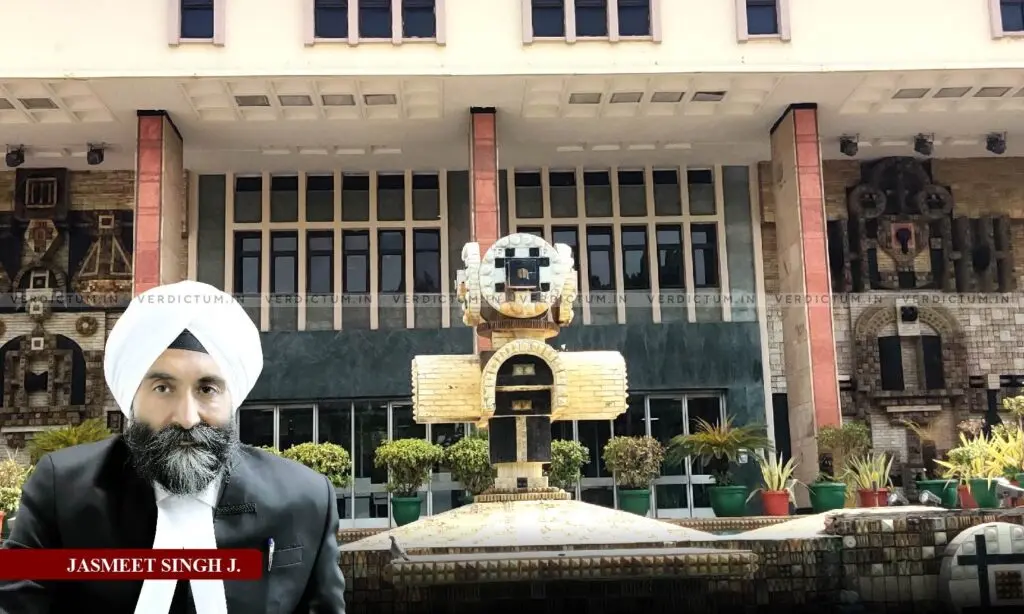
The Delhi High Court has held that courts can interfere with answer keys in competitive examinations only where the error is patent and demonstrable without inferential reasoning. A Bench of Justice Jasmeet Singh referred four disputed questions from the UGC-NET June 2026 examination to subject experts for fresh determination. The Court was hearing petitions challenging discrepancies between the provisional and final answer keys for the Education, Urdu and Geography papers.
Of ten contested questions, the Court found that six involved academic opinion or inferential reasoning and declined to substitute its own view for that of the experts. The Court distinguished four questions whose answers could be verified objectively from standard source texts in the public domain, noting that a wrong key affects ranking and eligibility. The Court applied the restraint laid down in Nandita v. National Testing Agency (2024), which requires an answer to be presumed correct unless clearly demonstrated to be wrong.
Indian Opinion Analysis
The Delhi High Court's ruling carves a narrow but important exception to the general rule of judicial restraint in answer-key disputes. By referring only four of ten challenged UGC-NET questions to experts, the Court signals that most examination disputes remain outside judicial reach. For the six questions where competing academic opinions exist, candidates have no remedy through the court. The four questions that were referred show that the Court will act only when an error is demonstrable from standard public-domain texts without expert reasoning. This distinction leaves thousands of candidates with no clear next step for the six rejected questions, beyond whatever internal review the National Testing Agency may offer. The expert committee's determination on the four referred questions will set a concrete precedent for how this narrow category of patent errors is handled in future examination challenges.
Source: verdictum.in
This brief was synthesised by AI from the source linked above. Methodology and corrections.