












Now Reading: CJI Surya Kant says ‘cockroach’ remark misused to mislead youth
-
01
CJI Surya Kant says ‘cockroach’ remark misused to mislead youth


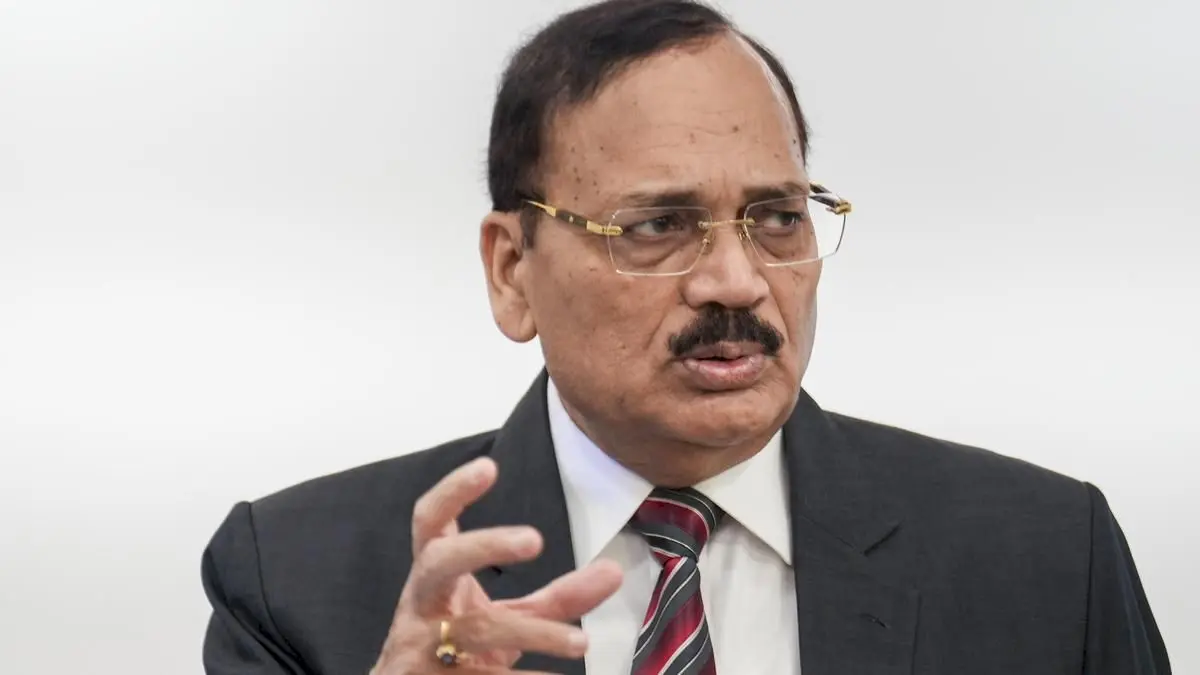
Chief Justice of India Surya Kant has said his oral remarks in court were 'misquoted and misused' with 'malicious intent' to mislead the country's youth. In a DD News interview on August…
The Story in Brief
Chief Justice of India Surya Kant has said his oral remarks in court were 'misquoted and misused' with 'malicious intent' to mislead the country's youth. In a DD News interview on August 13, he specifically referred to his May 15 comment comparing holders of fake law degrees to 'cockroaches', which had sparked the satirical 'Cockroach Janta Party' and subsequent student protests over exam leaks. The CJI urged media and citizens to exercise responsibility to maintain societal harmony. He also defended the Supreme Court's July 24 interim order barring unauthorised dissemination of livestreamed proceedings, arguing that transparency should not lead to commercial exploitation or clips taken out of context.
The CJI's remarks come amid ongoing debate over the balance between open access to court proceedings and the risk of misleading edits on social media. Activists have sought modification of the order, arguing it stifles accountability.
The Indian Opinion
The CJI is right that clipped videos can distort judicial remarks, but the 'cockroach' controversy is not just a communication problem. Many young Indians felt the comment, even in context, reflected a dismissive attitude toward legitimate grievances about exam leaks and fake degrees. Both sides exaggerate: the CJI's supporters paint all critics as malicious, while detractors ignore his clarification that he respects the youth. The real test is whether the Supreme Court's planned protocol for accessing livestream archives will allow fair public scrutiny without arbitrary gatekeeping. Will it, for instance, permit journalists to quote full sentences? That number will settle the matter.
Sources (2): thehindu.com, timesofindia.indiatimes.com
This story was synthesised by AI from the 2 sources linked above.
Updated: this story now draws on 2 sources.