









Now Reading: CJI Surya Kant tells students judiciary will protect peaceful protests
-
01
CJI Surya Kant tells students judiciary will protect peaceful protests



Chief Justice of India Surya Kant on Saturday held an open-house interaction with students of Chanakya National Law University in Patna, taking questions on police action against student protesters, transparency in the…
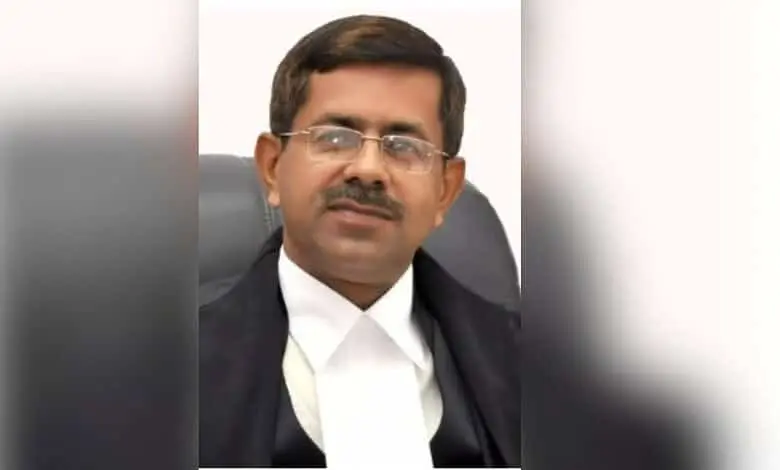
Chief Justice of India Surya Kant on Saturday held an open-house interaction with students of Chanakya National Law University in Patna, taking questions on police action against student protesters, transparency in the Collegium system, and rising law school fees. The university called it the first such live, unfiltered session by a sitting CJI. A student asked about police response to peaceful protests, the CJI said courts will not look the other way when fundamental rights are infringed, reaffirming the judiciary's commitment to protecting peaceful protests.

The CJI explained that dissenting Collegium opinions are not made public because disclosure, however well-intentioned, could place a judge in an untenable position and harm personal dignity. On financial difficulties faced by first-generation lawyers, he referred to a Supreme Court order supporting a professional assistance fund. CNLU Vice-Chancellor Faizan Mustafa proposed shortening the five-year law degree to four years with mandatory court apprenticeship in the final year, which the CJI called a welcome idea.
The event followed student opposition to the CJI at NALSAR and NLSIU. Patna High Court Chief Justice V Kameswar Rao said judicial clerkships should be made more competitive and better paid.
Indian Opinion Analysis
All four outlets reported the same facts from the CNLU press release, with no substantive disagreement or editorial slant. The coverage is uniform straight reporting of the CJI's statements and the university's framing of the event as unprecedented. The CJI's answers on Collegium secrecy and police response are presented verbatim without challenge or commentary. The story's significance lies in the venue and format: a CJI voluntarily facing student questions after recent protests at other law schools. The CJI's specific promise that courts will not look the other way on protest rights will be tested in future police action cases.
Coverage: 4 sources, 4 neutral
Sources (4): livelaw.in (neutral report), timesofindia.indiatimes.com (neutral report), hindustantimes.com (neutral report), barandbench.com (neutral report)
This brief was synthesised by AI from the 4 sources linked above, so one read covers every framing they carry.
Updated: this story now draws on 4 sources.