


















Now Reading: CJI Surya Kant urges NLUs to lead legal tech integration
-
01
CJI Surya Kant urges NLUs to lead legal tech integration



Chief Justice of India Surya Kant on Sunday urged national law universities to take a proactive leadership role in shaping how technology, including generative AI, is integrated into the legal system. Addressing…
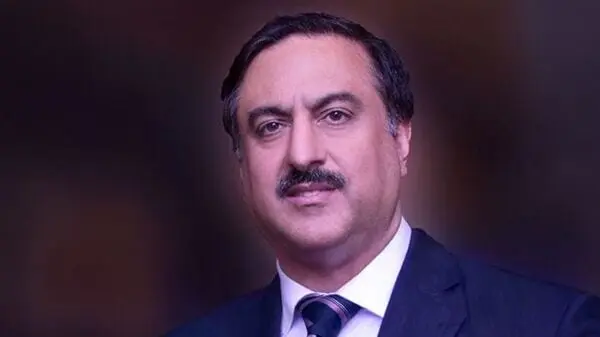
Chief Justice of India Surya Kant on Sunday urged national law universities to take a proactive leadership role in shaping how technology, including generative AI, is integrated into the legal system. Addressing the Vice Chancellors' Conclave 2.0 at National Law University, Jodhpur, the CJI said the legal profession can no longer be a late adopter of technology, and rejected an outright ban on AI tools in legal education.

The CJI acknowledged concerns that students could become dependent on AI or mistake plausible outputs for correct answers. However, he argued that prohibition would leave graduates unprepared for a profession where such tools are already embedded. He advocated transparent, supervised use of AI in classrooms so students learn both capabilities and limitations. "A graduate who understands only the output of a technological tool would remain dependent on it," he said, stressing the need for training in independent judgment.
The CJI called on law schools to move beyond adaptation and instead anticipate and shape technological developments. He urged collaboration among National Law Universities for research on algorithmic accountability, data protection, and digital access to justice. "Let technology make legal institutions and services more capable, but let our values determine the direction in which that capability is used," he said, adding that innovation should make justice faster but never less fair.

Sources (4): rediff.com, livelaw.in, greaterkashmir.com, timesnownews.com
This story was synthesised by AI from the 4 sources linked above. Methodology and corrections.
Updated: this story now draws on 4 sources.