







Now Reading: Cockroach Party’s school campaign gains student support across India
-
01
Cockroach Party’s school campaign gains student support across India


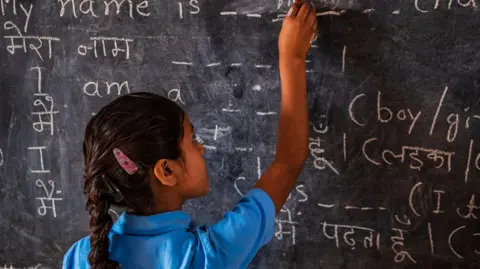
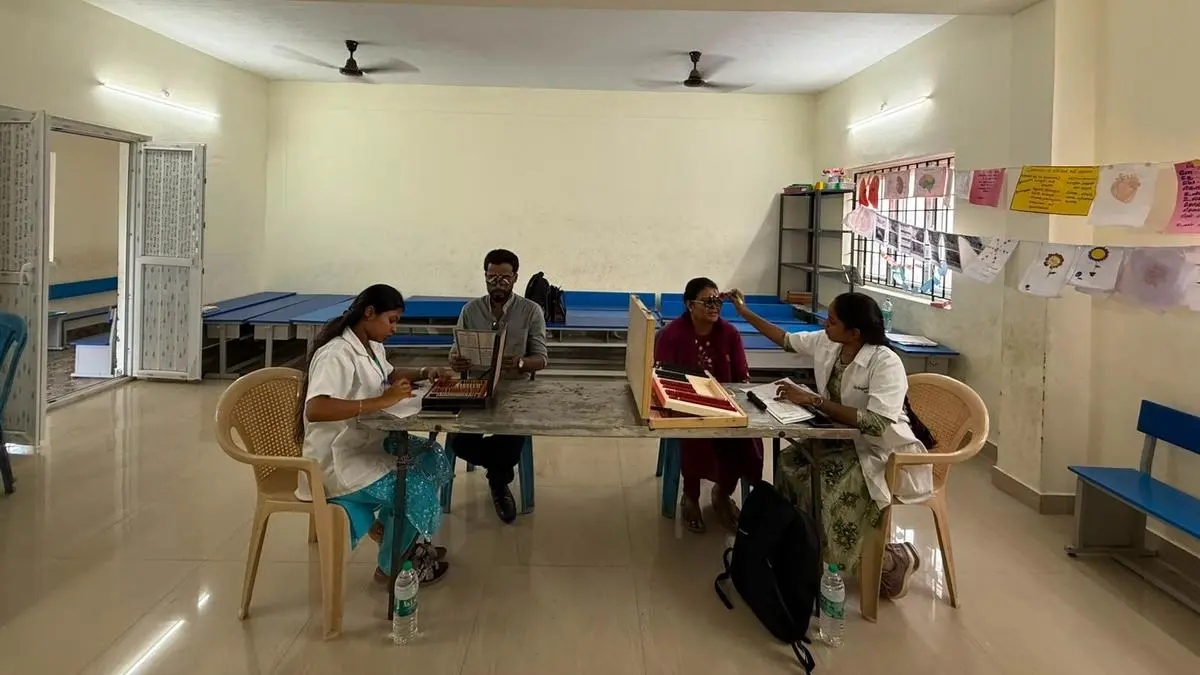
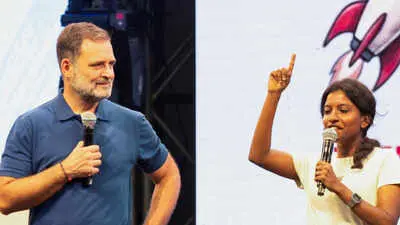
The Cockroach Janta Party (CJP), a satirical protest movement, has launched a campaign called #SchoolThikKaro to highlight dilapidated government schools across rural India. CJP founder Abhijeet Dipke told the BBC he visited over 20 rural schools and found no benches, toilets, or drinking water. The group has shared videos of leaking roofs and broken toilets with its 26 million Instagram followers, demanding benches, clean washrooms, and smart classrooms.
India spends 4.1% of its GDP on education, below the 6% recommended by the government's own National Education Policy. Official data shows 94,000 government schools closed between 2014-15 and 2024-25, though a Niti Aayog report says some mergers and falling enrolment contributed. The CJP earlier forced the resignation of Education Minister Dharmendra Pradhan after the NEET exam paper leak scandal.
The campaign has emboldened students to film complaints and post them on social media, prompting some local authorities to act. In Raigad, Maharashtra, schoolgirls' video of a bad road led to repairs. The Modi government and the BJP have not commented on the campaign. The BBC has sought a response from the education ministry.
Indian Opinion Analysis
The BBC's report is a single-source straight news feature. There is no pro-government or critical framing to contrast because the story is built entirely on the CJP campaign's claims and on-the-ground observation of one school. The government's silence on the campaign is noted but not analysed. The piece functions as a sympathetic platform for the CJP's grievances, lacking any counterweight from official data on school improvement schemes or state education budgets. A careful reader should note that while the CJP's videos are going viral and prompting local repairs, the article supplies no evidence that the campaign has shifted national policy. The concrete next step is whether the education ministry responds to the BBC's request for comment and whether the CJP can sustain pressure beyond social-media outrage.
Coverage: 2 sources, 2 government-critical
Sources (2): bbc.com (government critical), bbc.co.uk (government critical)
This story was synthesised by AI from the 2 sources linked above. Methodology and corrections.
Updated: this story now draws on 2 sources.