











Now Reading: Colombia quake rescue teams report signs of life under rubble
-
01
Colombia quake rescue teams report signs of life under rubble


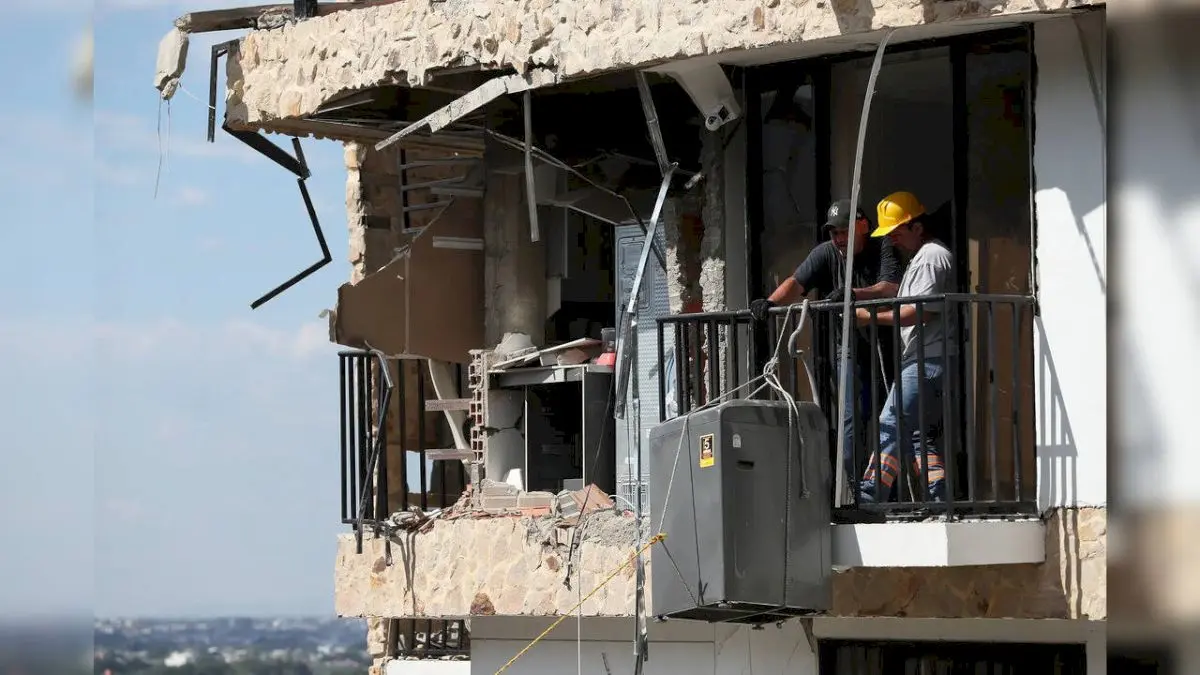
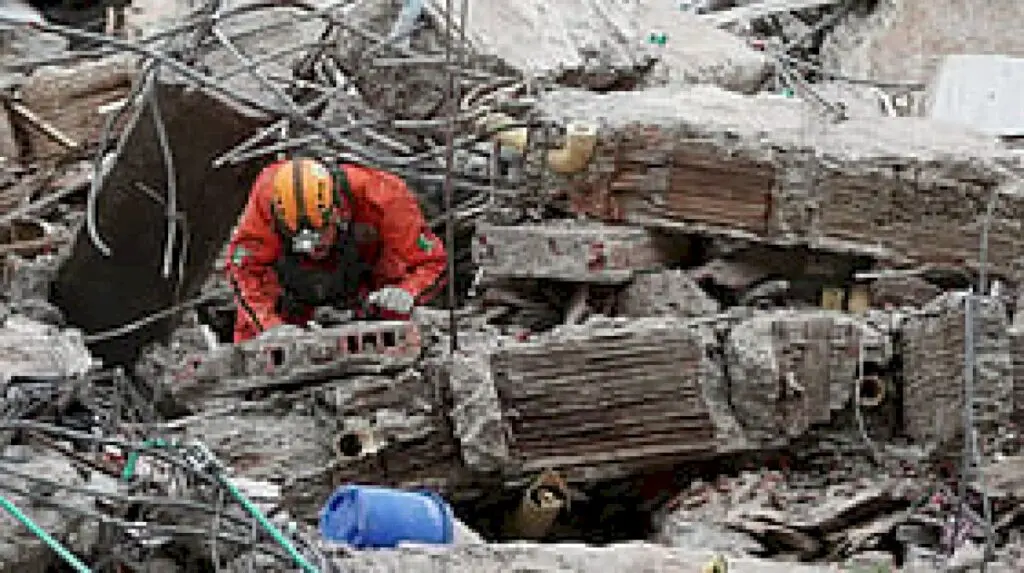
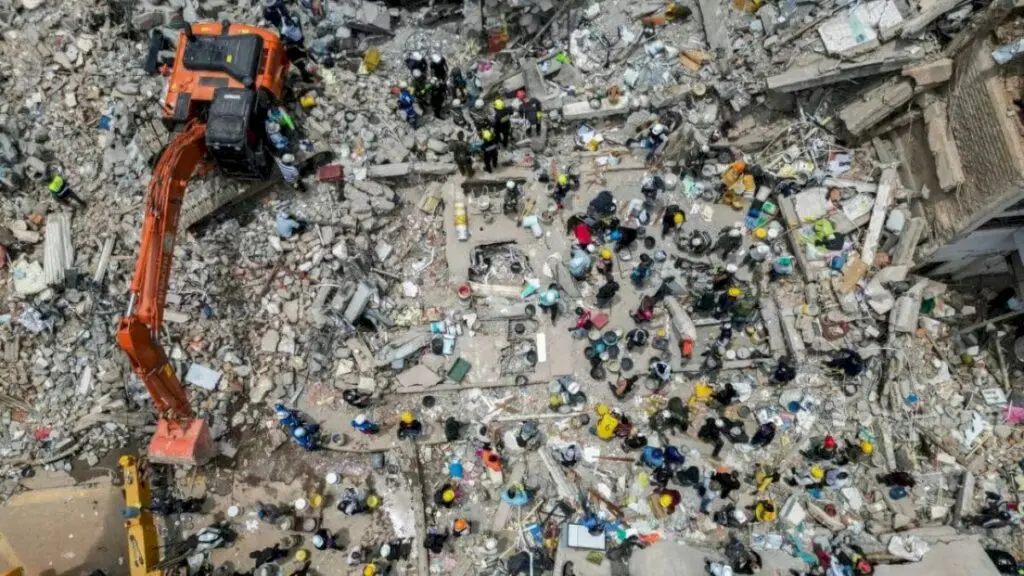
Rescuers in Pereira and Cali reported signs of life beneath collapsed buildings on Friday, four days after a 7.4-magnitude earthquake struck western Colombia. At least 285 people have died, nearly 4,000 are…
The Story in Brief
Rescuers in Pereira and Cali reported signs of life beneath collapsed buildings on Friday, four days after a 7.4-magnitude earthquake struck western Colombia. At least 285 people have died, nearly 4,000 are injured and more than 100,000 people are affected. The search has been extended through Saturday, with teams from Venezuela, Argentina and Israel helping local crews.
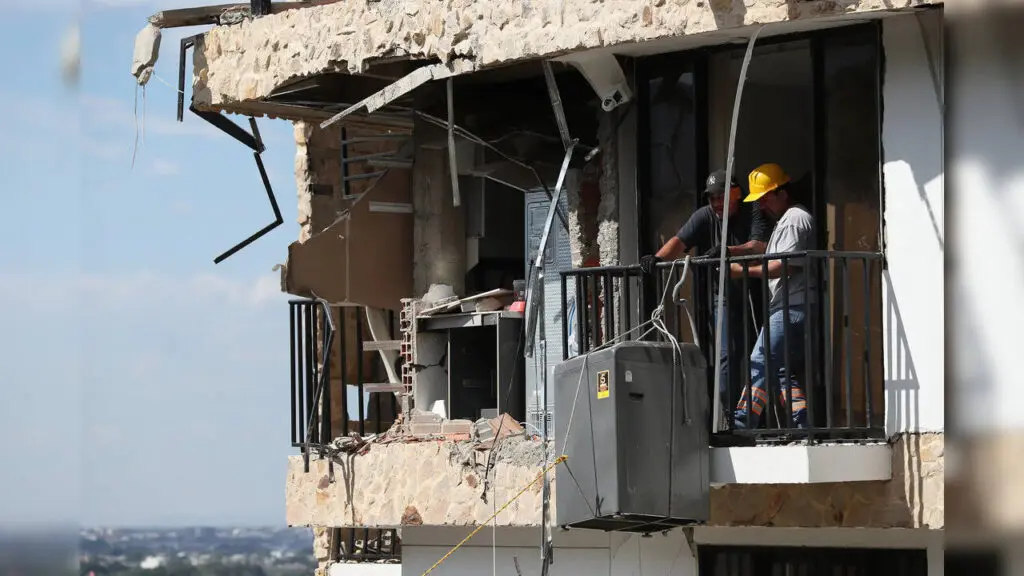
The government says tens of thousands of homes and facilities in more than 400 cities were damaged. President Abelardo de la Espriella has promised shelter, financial support and reconstruction of homes, hospitals, schools, roads and airports with private-sector help. Schools, parks and public buildings are serving as shelters, but some communities still depend on neighbours and volunteers. Officials say hundreds remain missing, while private groups put the number in the thousands.
The Indian Opinion
The easy narrative is either that Colombia has already failed its victims or that private companies can quickly fix everything. Both claims run ahead of the facts. Rescue coordination has improved, but aid has not reached every area, especially poorer Chocó. Reconstruction also needs safe-building assessments, temporary housing and functioning services before new projects begin. The clearest test will be whether displaced families receive shelter and support, and how many missing people are accounted for by Saturday.
Sources (3): timesnownews.com, indiatoday.in, economictimes.indiatimes.com
This story was synthesised by AI from the 3 sources linked above.
Updated: this story now draws on 3 sources.