















Now Reading: Columnist Sana Krishna’s essay calls for India-Pakistan bond
-
01
Columnist Sana Krishna’s essay calls for India-Pakistan bond



A young Mumbai writer, Sana Krishna, has written a poignant essay about her grandfather, a Hindu who was forced to leave Lahore during Partition. She describes his gentleness and resilience in rebuilding his life in India, and reflects on the shared culture, food and music that still bind people across the India-Pakistan border.

The piece, published in Frontline, argues that recognising shared humanity is not a betrayal of national identity. Krishna urges her generation to discover that the stranger on the other side speaks in a voice that sounds unexpectedly like home.
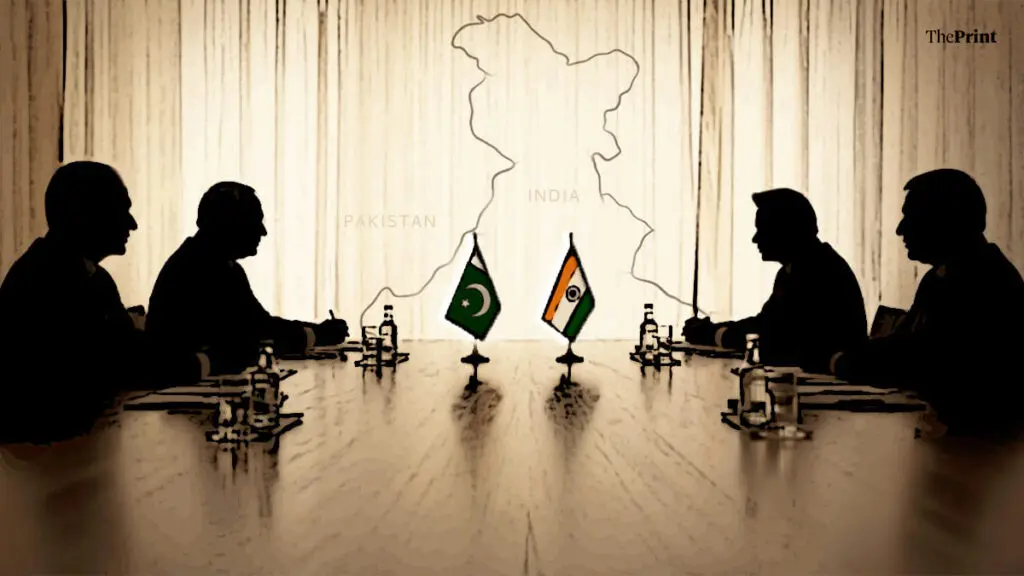
A senior Indian statesman dismissed the essay's sentiments, warning of threats from Pakistan's army. But veteran diplomat and former foreign secretary G. Parthasarathy, writing in the same magazine, counters that the Indus Waters Treaty, which survived multiple wars, is now stalled not by Rawalpindi but by New Delhi.
Indian Opinion Analysis
The Indus Waters Treaty, signed in 1960 after World Bank mediation, is one of the few agreements to survive three India-Pakistan wars. Under its terms, the three western rivers (Indus, Jhelum, Chenab) went to Pakistan and the three eastern rivers (Ravi, Beas, Sutlej) to India. Since India's abrogation of Article 370 in 2019, Pakistan has sought international arbitration over two hydroelectric projects on the Chenab, while India has insisted on bilateral resolution. The treaty contains a three-step dispute mechanism: a neutral expert, a court of arbitration, and the Permanent Court of Arbitration at The Hague. Which forum hears the next complaint will shape the treaty's future.
Source: frontline.thehindu.com
This story was synthesised by AI from the source linked above. Methodology and corrections.