














Now Reading: UNHRC panel backs India on Indus Waters Treaty abeyance
-
01
UNHRC panel backs India on Indus Waters Treaty abeyance


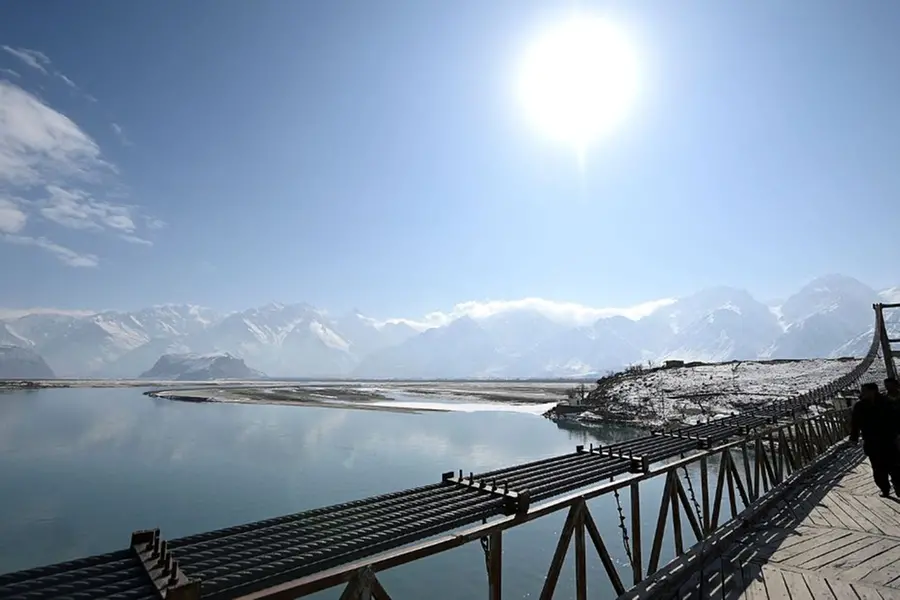
A panel of experts at a conference alongside the 63rd session of the UN Human Rights Council has supported India's decision to keep the Indus Waters Treaty in abeyance. The symposium, hosted…
A panel of experts at a conference alongside the 63rd session of the UN Human Rights Council has supported India's decision to keep the Indus Waters Treaty in abeyance. The symposium, hosted by Indian NGO Shivi Development Society, heard that Pakistan's water scarcity stems from internal mismanagement, agricultural inefficiency and urbanisation rather than Indian blockades. Dr Siegfried Wolf of the South Asia Democratic Forum dismissed claims that India was blocking river flows as an 'engineering myth'.
The Permanent Court of Arbitration in The Hague ruled in August 2026 that India cannot unilaterally suspend the treaty, which India rejected as illegally constituted. The court found the treaty remains fully in force and India must observe its obligations. Pakistan welcomed the verdict, with Deputy PM Ishaq Dar calling it a decisive rejection of India's unlawful attempt to suspend the pact. India maintains the abeyance remains in force until Pakistan credibly ends support for cross-border terrorism.
Experts across sources agree the 1960 treaty needs modernisation to address climate change, groundwater use and population growth. The treaty remains in deadlock with both sides holding firm positions.
Indian Opinion Analysis
Mathrubhumi reported the UNHRC panel's support for India's abeyance position, foregrounding internal Pakistani mismanagement as the cause of water scarcity. Al Jazeera led with Pakistan's legal victory at The Hague and stressed India's non-participation and rejection. Mongabay offered the most neutral framing, focusing on the treaty's need for modernisation and the procedural dispute over parallel resolution tracks. The coverage splits sharply: Indian outlets emphasise sovereign rights and Pakistan's internal failures, while Al Jazeera foregrounds the binding international ruling India has defied. The PCA's order is legally clear, but India's refusal to participate means enforcement remains uncertain. The next concrete step is whether Pakistan seeks countermeasures under international law.
Coverage: 3 sources, 1 pro-government, 1 government-critical, 1 neutral
Sources (3): english.mathrubhumi.com (pro government), india.mongabay.com (neutral report), aljazeera.com (government critical)
This brief was synthesised by AI from the 3 sources linked above, so one read covers every framing they carry.
Updated: this story now draws on 3 sources.