












Now Reading: CWG future debated; India swimming federation plans overhaul
-
01
CWG future debated; India swimming federation plans overhaul


The Swimming Federation of India has said it will "reinvent the training system" after the country's swimmers put up below-par performances at the Glasgow Commonwealth Games. Only Sajan Prakash and the men's…
The Story in Brief
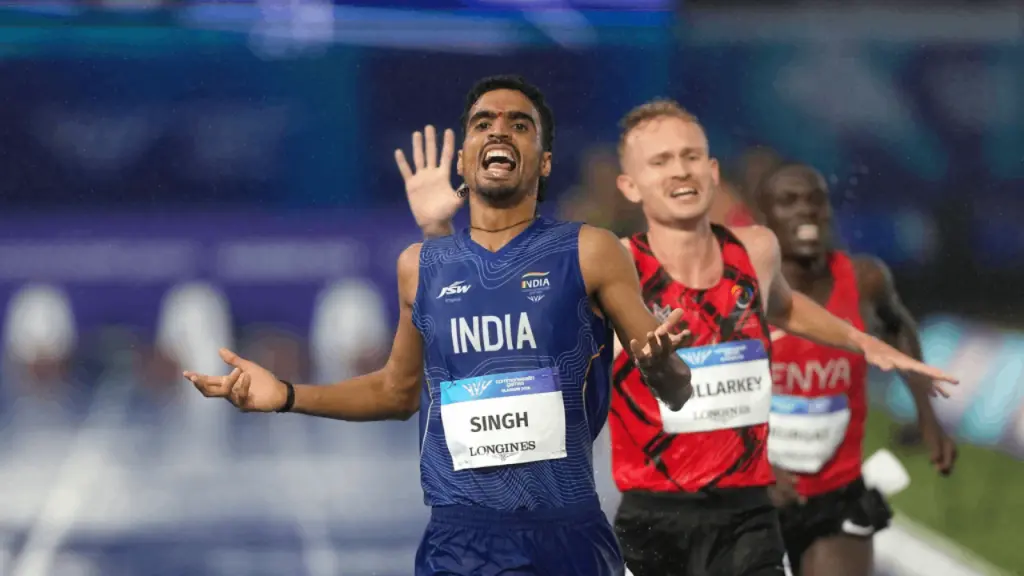
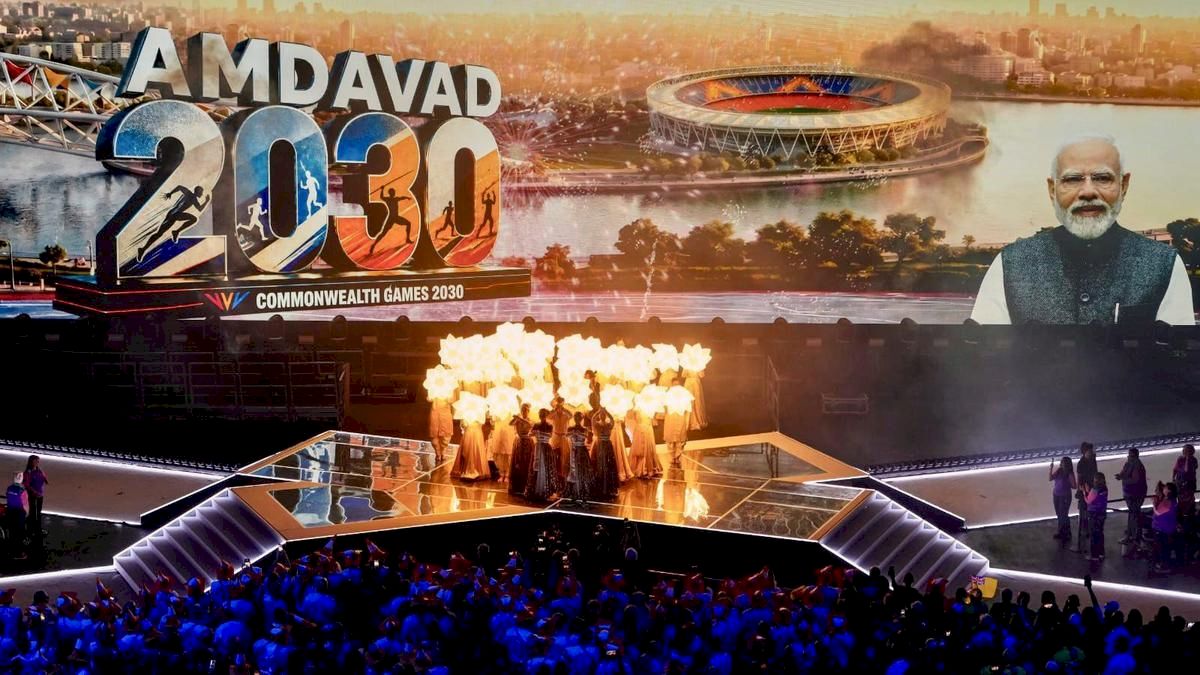
The Swimming Federation of India has said it will "reinvent the training system" after the country's swimmers put up below-par performances at the Glasgow Commonwealth Games. Only Sajan Prakash and the men's 4x200m freestyle relay team reached finals, with most swimmers clocking slower than their personal bests. General secretary Monal Chokshi said the current system is "not going to cut it" and that the federation is in talks with the sports ministry for a dedicated training centre, with the 2030 Ahmedabad Games as priority.

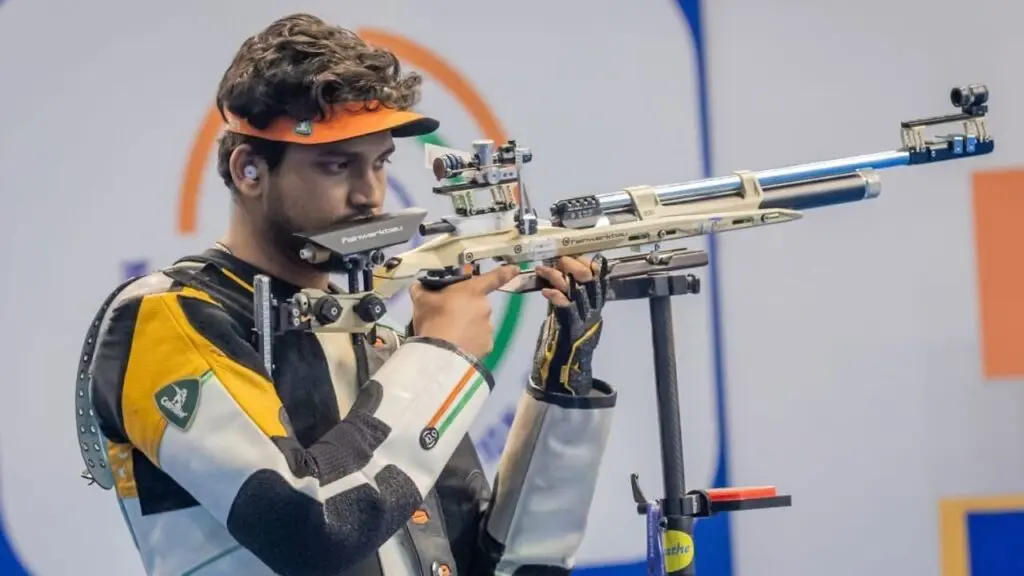
Separately, a debate on the Commonwealth Games' future has emerged. The Hindu reports that athletes Anju Bobby George and Heena Sidhu have differing views on its importance. George called it a key competition after the Olympics and World Championships, while Sidhu said shooting competitions at the Asian Games and National Championships are tougher. She noted that the CWG is at a "crossroads" due to high hosting costs and shrinking athlete quotas.
The Indian Opinion
The Commonwealth Games are caught between nostalgia and a shrinking reality. Anju Bobby George calls them a vital third-rung competition; Heena Sidhu ranks them below India's National Championships for shooting. Both are right. The event is important for some sports, but its high costs and limited participation are pushing it toward irrelevance. The Swimming Federation of India's post-Glasgow soul-searching is honest. The real test will come in 2030, when Ahmedabad hosts the Games. Can India turn domestic enthusiasm into a sustainable model, or will the CWG become a burden no one wants?
Sources (2): thehindu.com, hindustantimes.com
This story was synthesised by AI from the 2 sources linked above.
Updated: this story now draws on 2 sources.