

















Now Reading: Congress-ruled states to challenge Mines Act in Supreme Court
-
01
Congress-ruled states to challenge Mines Act in Supreme Court


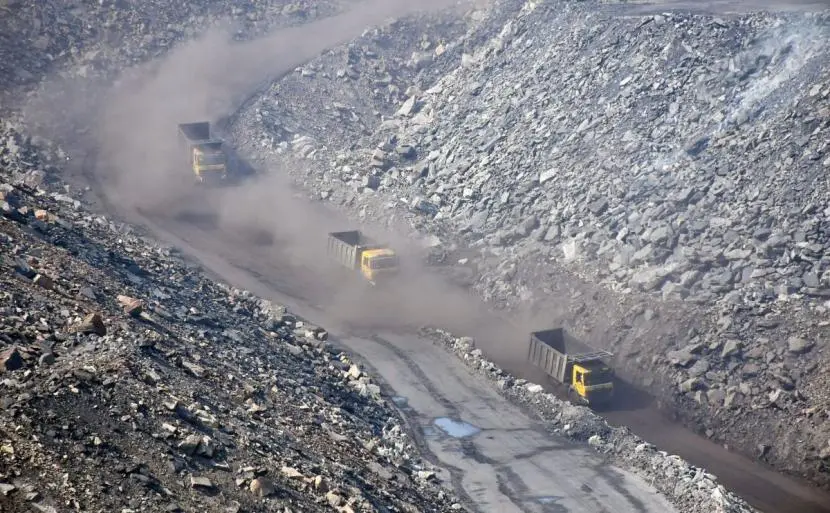
Karnataka, Kerala, and Telangana are likely to challenge the Mines and Minerals (Development and Regulation) Amendment Act, 2026, in the Supreme Court, alleging it undermines states' constitutional rights to levy taxes on mineral rights. The Congress is in talks with the Jharkhand Mukti Morcha to bring the Jharkhand government on board the petition.
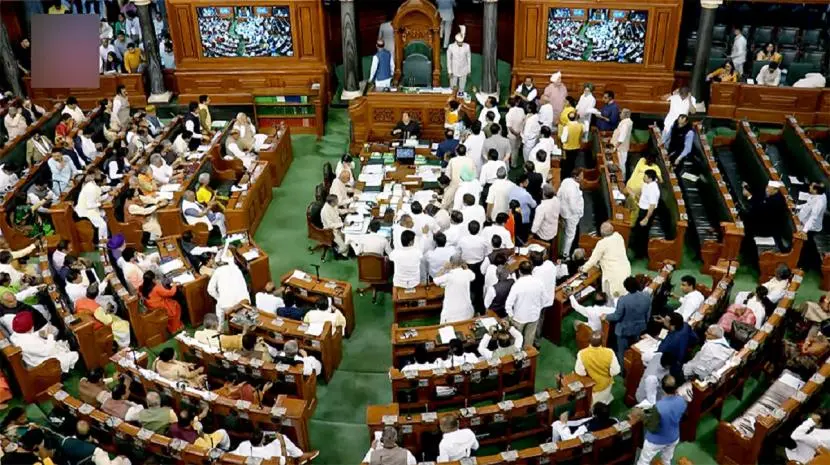
Parliament passed the amendment last week, restricting states' powers over major minerals like coal, iron ore, and copper, while minor minerals remain under state control. Mines Minister G Kishan Reddy said the law aims for uniform mineral rates and does not interfere with state autonomy.
Karnataka Deputy CM G Parameshwara has urged the Centre to withdraw the Act. Kerala CM V D Satheesan called the law anti-federal, and Jharkhand CM Hemant Soren warned it could reduce fiscal space and affect social and environmental costs of mining.
Indian Opinion Analysis
The real test will be whether the Supreme Court agrees to hear the challenge, given that mineral rights have been a centre-state flashpoint for decades. The Constitution's Seventh Schedule lists mining as a Union subject, but states have historically levied cess and royalty. If the Court stays the law, it could freeze new mining contracts worth thousands of crore. The next step: the states are expected to file the petition within weeks, likely before the monsoon session ends. Watch for the Court's listing date.
Source: rediff.com
This story was synthesised by AI from the source linked above. Methodology and corrections.