






















Now Reading: Rajya Sabha passes mining amendment barring state mineral taxes
-
01
Rajya Sabha passes mining amendment barring state mineral taxes


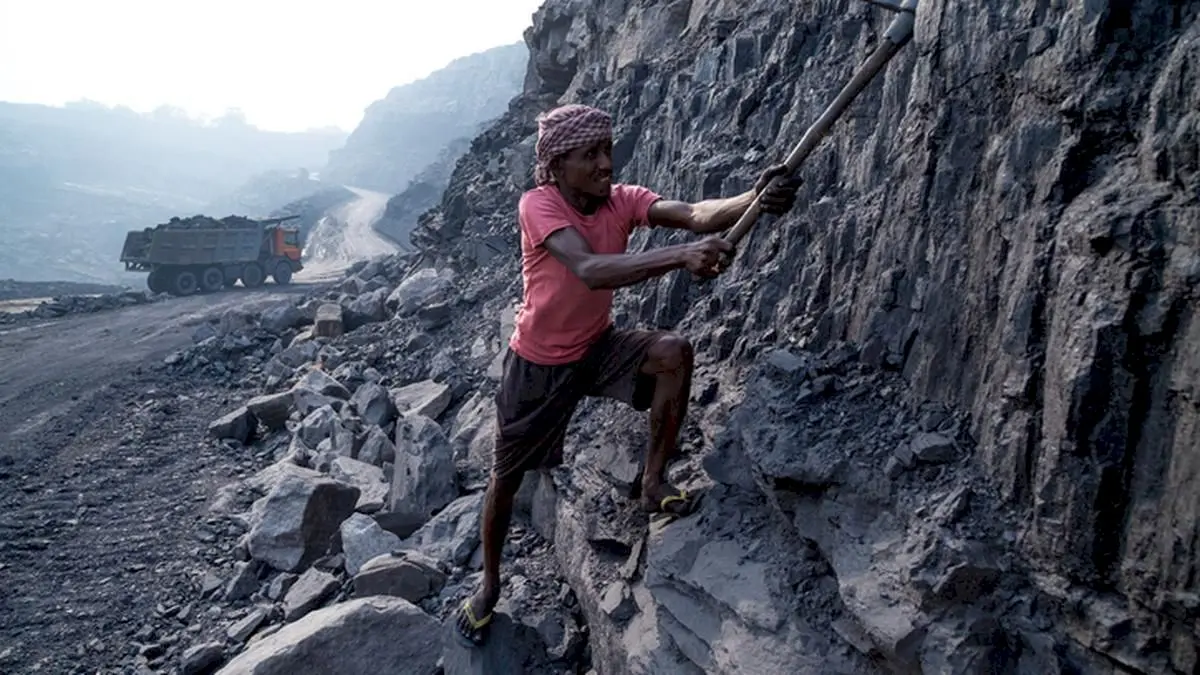
The Rajya Sabha on Wednesday passed the Mines and Minerals (Development and Regulation) Amendment Act, 2026, which bars states from levying any tax, cess or similar charges on mineral-bearing land and mining…
The Rajya Sabha on Wednesday passed the Mines and Minerals (Development and Regulation) Amendment Act, 2026, which bars states from levying any tax, cess or similar charges on mineral-bearing land and mining operations. The law takes retrospective effect from April 1, 2005, nullifying the Supreme Court's July 2024 judgement that had allowed states to impose such levies and recover arrears estimated at Rs 1.5 lakh crore to Rs 2 lakh crore, the Hindustan Times reports.
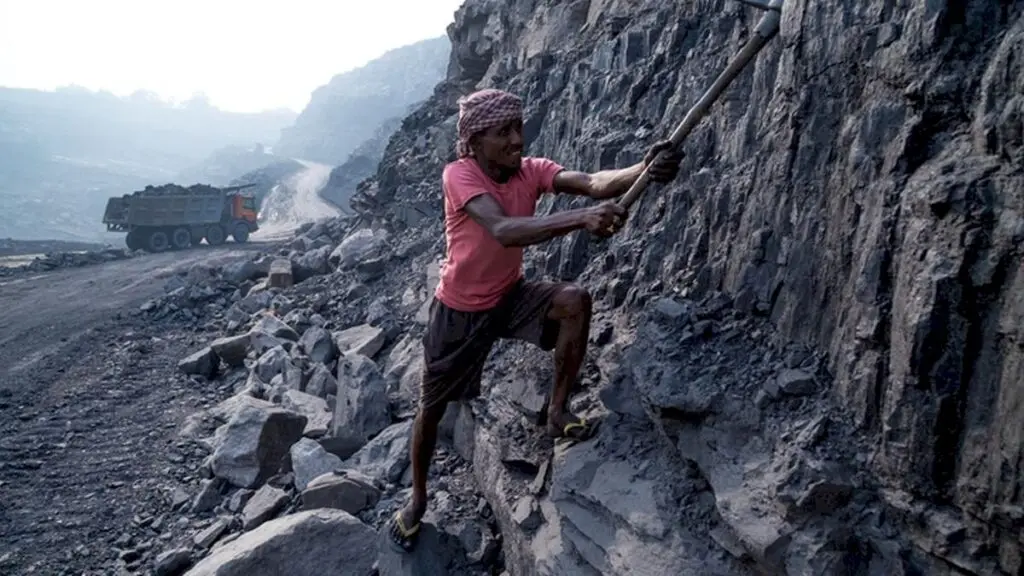
Mineral-rich states including Odisha, Jharkhand and Kerala have strongly opposed the amendment. Former Odisha chief minister Naveen Patnaik called it an infringement on fiscal autonomy, while Jharkhand chief minister Hemant Soren said it would force closure of social schemes such as the Maiya Samman Yojana. The Hindustan Times reports that Jharkhand had projected Rs 13,215 crore from mineral levies for 2026-27, of which Rs 9,000 crore was to fund the women's scheme.
Union minister G Kishan Reddy defended the law, saying it ensures uniform taxation and price stability for major minerals such as coal, iron ore, lithium and nickel, and does not affect state control over minor minerals. The Hindu reports that the Federation of Indian Mineral Industries said the amendment would boost investor confidence. Non-BJP states including Jharkhand and Kerala are exploring a legal challenge in the Supreme Court, according to the Hindustan Times.
Sources (2): thehindu.com, hindustantimes.com
This story was synthesised by AI from the 2 sources linked above.
Updated: this story now draws on 2 sources.