Now Reading: Parliament passes bill curbing states’ mineral tax powers
-
01
Parliament passes bill curbing states’ mineral tax powers


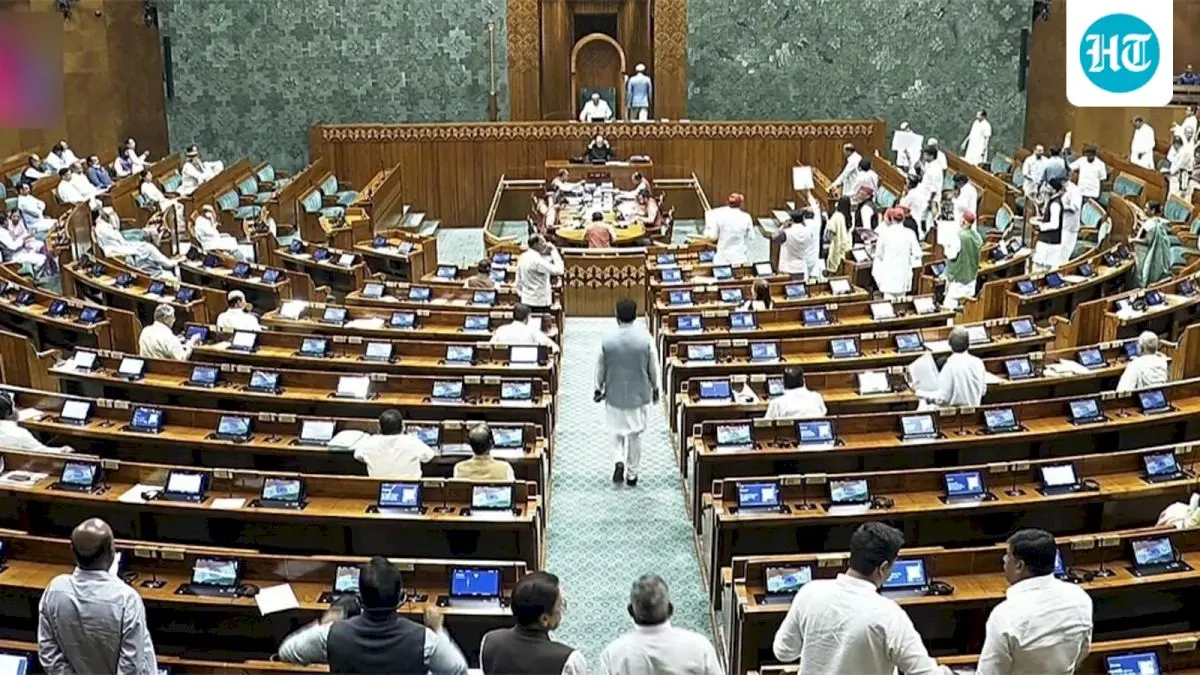
Parliament on Thursday passed the Mines and Minerals (Development and Regulation) Amendment Bill, 2026, restricting states from taxing mineral rights and mineral-bearing lands. The Lok Sabha passed it on Wednesday amid opposition…
The Story in Brief
Parliament on Thursday passed the Mines and Minerals (Development and Regulation) Amendment Bill, 2026, restricting states from taxing mineral rights and mineral-bearing lands. The Lok Sabha passed it on Wednesday amid opposition protests, and the Rajya Sabha cleared it the next day. The bill now awaits the President's assent to become law. Mines Minister G Kishan Reddy said the Centre wants uniform mineral rates, not to hurt state revenues. He said states already receive 88 per cent of mineral revenue, up from 65 per cent in 2014-15. The bill overturns a July 2024 Supreme Court ruling that upheld states' power to tax minerals. Tax already collected will not be refunded, but unpaid ones are deemed invalid.
The Indian Opinion
The usual tug-of-war between states and the Centre has erupted over this bill. The narrative that it 'snatches' state revenue is incomplete. The minister's numbers, states getting 88 per cent of mineral revenue, deserve scrutiny. The real test will be whether the promised uniform rates actually lower electricity costs for the common citizen. Watch for the final revenue-sharing formula. Will it leave mineral-rich states like Odisha and Jharkhand richer or poorer? That is the only number that matters.
Sources (3): hindustantimes.com, newindianexpress.com, thehindubusinessline.com
This story was synthesised by AI from the 3 sources linked above.
Updated: this story now draws on 3 sources.