













Now Reading: Congress questions environmental impact of nationwide E20 petrol rollout
-
01
Congress questions environmental impact of nationwide E20 petrol rollout


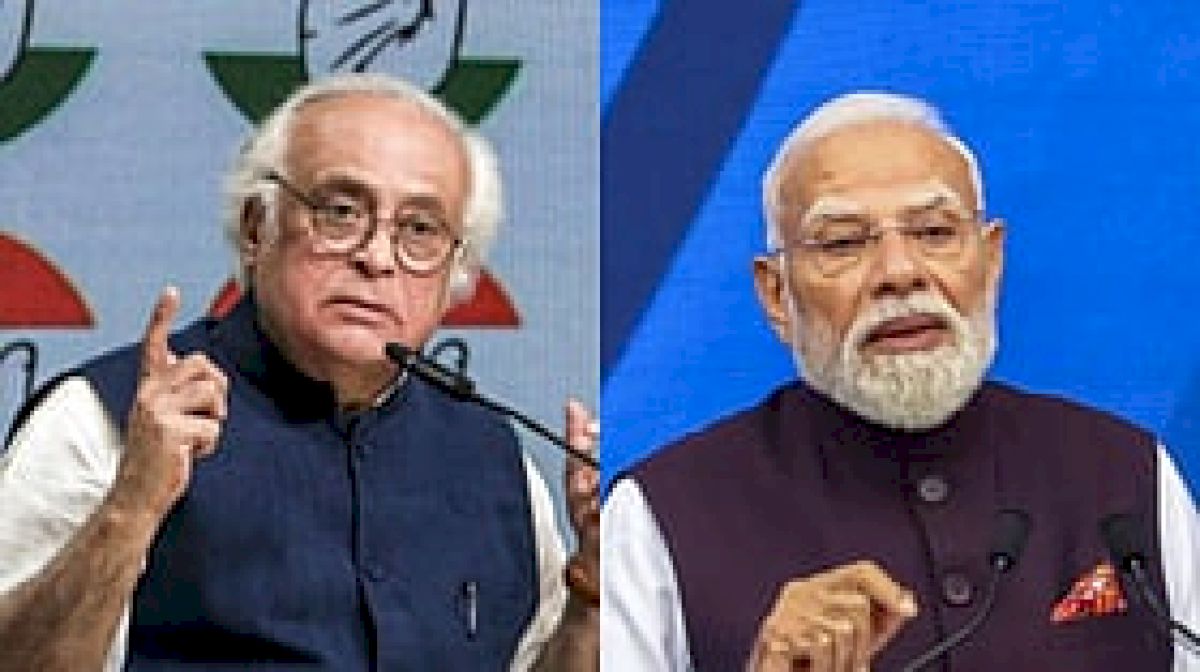
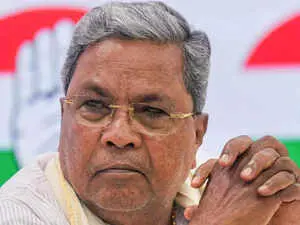
Congress general secretary Jairam Ramesh has attacked the Centre's countrywide switch to E20 petrol, telling Deccan Herald that officials are ignoring ethanol's true environmental cost. He argued that most of the ethanol…
Congress general secretary Jairam Ramesh has attacked the Centre's countrywide switch to E20 petrol, telling Deccan Herald that officials are ignoring ethanol's true environmental cost. He argued that most of the ethanol comes from sugarcane, rice and maize rather than crop waste, and put the water needed at roughly 3,630 litres per litre of sugarcane-derived ethanol and as much as 10,790 litres for the rice-based version. Ramesh linked this to sinking groundwater tables and pointed back to a 2021 NITI Aayog recommendation favouring greener feedstocks. He further claimed that distilleries receive subsidised rice, and that the blend has narrowed choice at the pump, pushed up prices and harmed engines, with ethanol makers the ones actually gaining. Ramesh asked the government to make its underlying data and assessments public.
Indian Opinion Analysis
Ramesh's numbers on water consumption, subsidy flows and engine wear are serious enough to demand an independent check, yet nothing here beyond his own statement backs them up, and no ministry has yet replied. Judging E20 purely on this exchange, in either direction, would be premature without a proper lifecycle study and verified cost figures from outside Congress or the government. A formal reply from the Centre, or its own ethanol data, would put numbers against these specific claims.
Source: www.deccanherald.com
This brief was synthesised by AI from the source linked above.