


















Now Reading: Cyclone Murasu to hit Andhra coast, Delhi-NCR to be spared
-
01
Cyclone Murasu to hit Andhra coast, Delhi-NCR to be spared


The Story in Brief
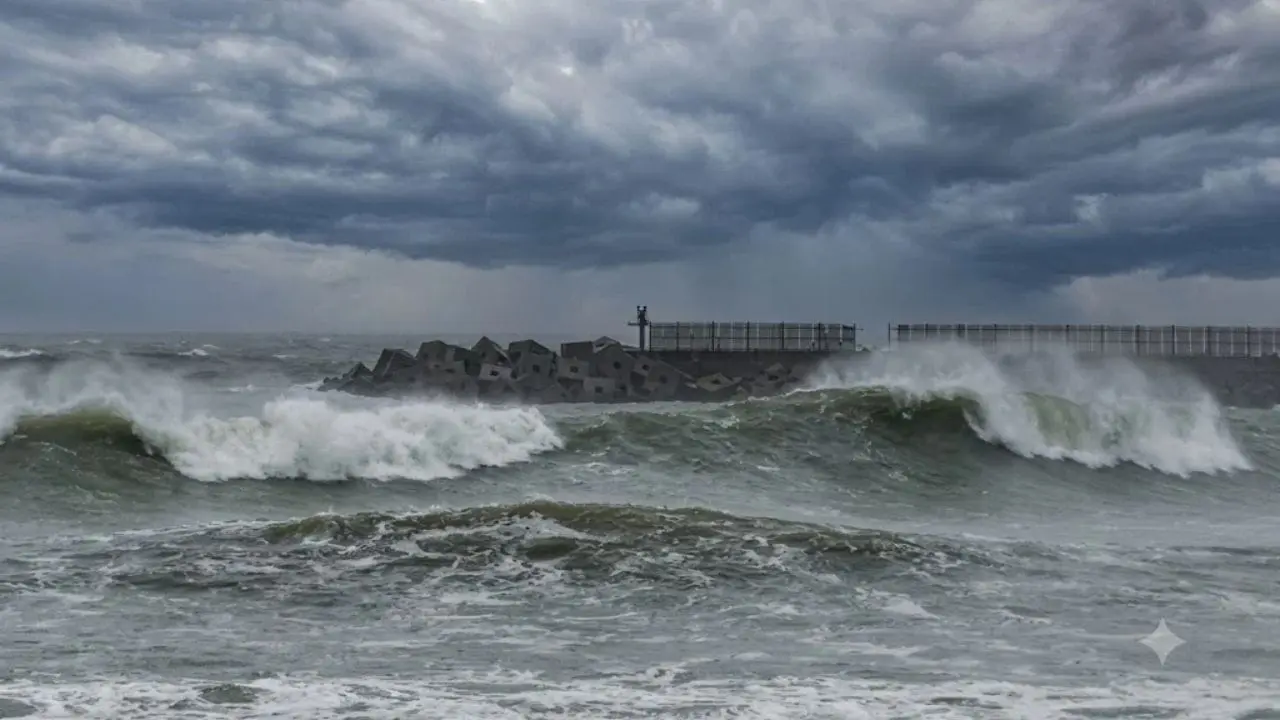
Cyclone Murasu, a severe storm in the Bay of Bengal, is moving towards the Andhra Pradesh coast and is expected to make landfall near Ongole on the night of 2 to 3 November. Wind speeds are estimated at 100 to 110 kmph, possibly reaching 120 kmph. Heavy rain alerts have been issued for several southern states including Andhra Pradesh, Tamil Nadu, Telangana, Odisha and Chhattisgarh.
Delhi-NCR will not be directly affected by the cyclone, and no rain is expected. Delhi’s AQI was recorded at 324 (very poor category) at 4 pm on 2 November, and the CAQM has imposed GRAP-2 measures including machine cleaning of roads, water sprinkling, increased public transport frequency and higher parking fees. The Air Quality Early Warning System forecasts Delhi’s air to remain in the very poor category from 2 to 5 November, with no immediate relief from pollution.
Indian Opinion Analysis
The forecast confirms that Cyclone Murasu will not alter Delhi’s weather or bring rain, dashing hopes that the storm might clear the capital’s hazardous air. Delhi’s AQI of 324 has already triggered GRAP-2, but the early warning system expects pollution to remain very poor for at least three more days and to stay between very poor and poor for the following six. The storm’s limited path means relief from the current pollution episode will have to come from wind direction changes or stronger anti-pollution enforcement, not from a weather system. CAQM’s GRAP-2 restrictions are now the primary tool to contain the damage.
Delhi’s air quality outlook depends on whether the northwesterly winds forecast for 3 to 4 November prove strong enough to disperse pollutants, and on compliance with the newly imposed GRAP-2 measures.
Source: tv9hindi.com
This brief was synthesised by AI from the source linked above. Methodology and corrections.