












Now Reading: Delhi-NCR air pollution may be linked to gynaecological cancers, say experts
-
01
Delhi-NCR air pollution may be linked to gynaecological cancers, say experts

Delhi-NCR air pollution may be linked to gynaecological cancers, say experts

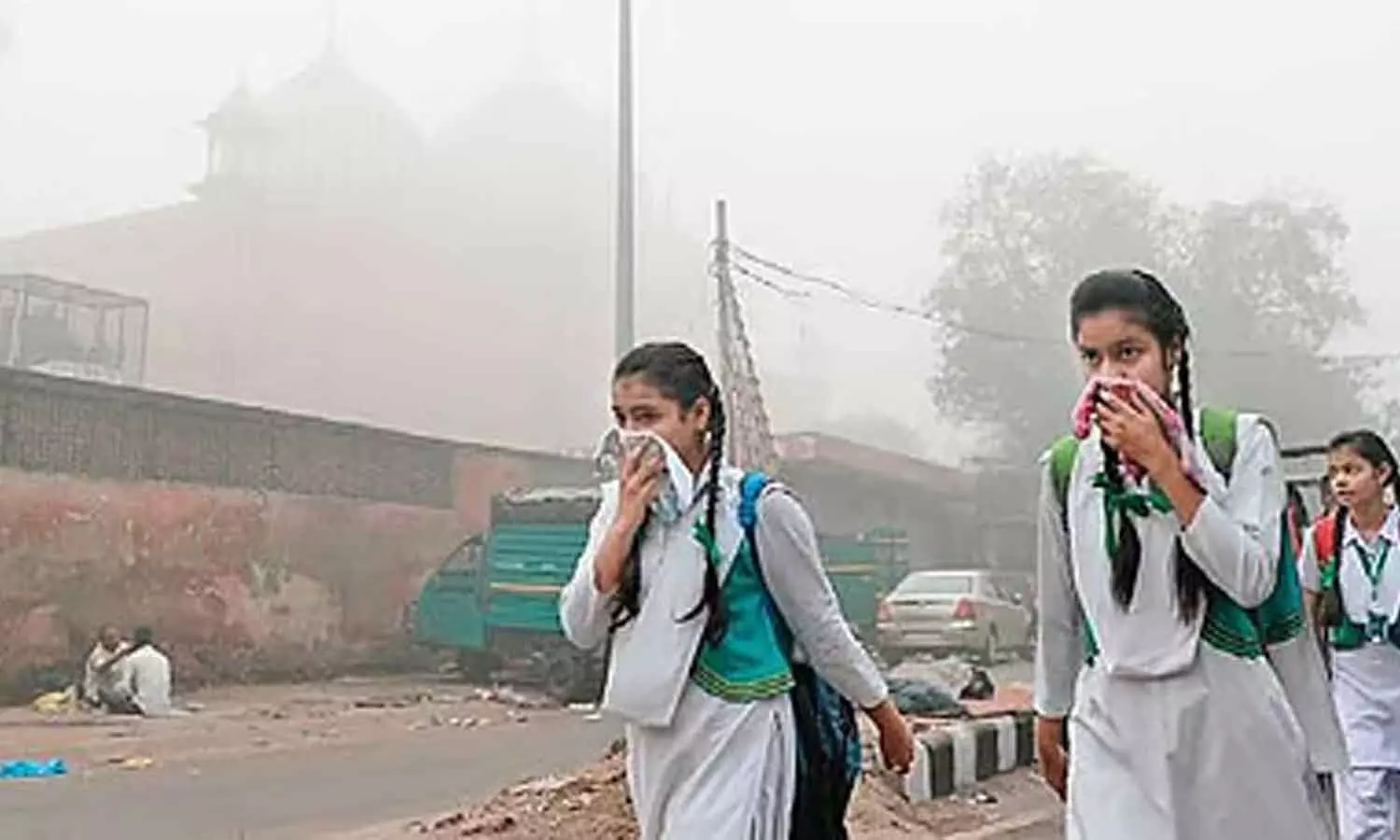
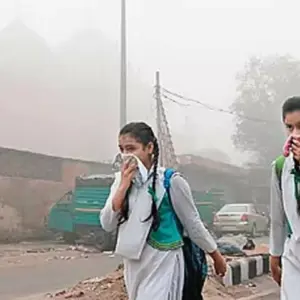
Long-term exposure to air pollution, particularly PM2.5, may contribute to gynaecological cancers in women in Delhi-NCR, experts said on 9 and 10 October, citing emerging research. Dr Rama Joshi of Fortis Gurugram said studies have found associations between pollution exposure and aspects of reproductive health, including higher odds of delayed menarche and early menopause among Indian women. Dr Aditya Sarin of Sir Ganga Ram Hospital said chronic PM2.5 exposure can promote inflammation and oxidative stress, mechanisms relevant to cancer development.
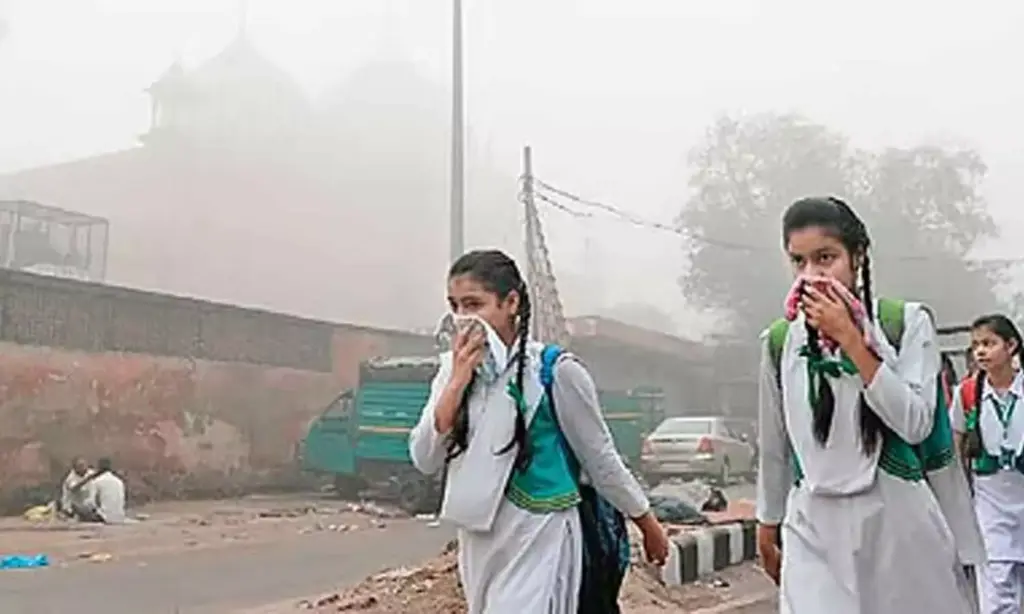
The experts stressed that pollution is not a standalone cause of gynaecological cancer. Established risk factors such as obesity, diabetes, family history and genetic mutations remain important. Researchers called for larger, long-term Indian studies to determine whether air pollution is a significant contributing factor. The issue is particularly relevant in Delhi-NCR, where women face elevated PM2.5 concentrations over many years.
Indian Opinion Analysis
Both CNBC-TV18 and The Hans India carried uniform wire-level coverage, reporting the same quotes from the same experts on the same study. Neither outlet added an independent framing or omitted a significant detail. The shared neutral-report stance means the story was presented as straight scientific reporting, with no government-facing angle, no political attribution, and no call for policy action. The only editorial variation is length: CNBC-TV18’s longer version includes the full second expert quote from Dr Aditya Sarin and the specific study odds ratios, while The Hans India’s shorter version truncates after the first expert. The balanced reading is that the coverage treats the link as an open scientific question, not a settled finding. Both outlets end on the need for larger Indian studies, leaving causation unclaimed.
Coverage: 2 sources, 2 neutral
Sources (2): cnbctv18.com (neutral report), thehansindia.com (neutral report)
This brief was synthesised by AI from the 2 sources linked above, so one read covers every framing they carry. Methodology and corrections.