





















Now Reading: Jaipur avoids severe AQI, Delhi crosses 400 in 22 areas
-
01
Jaipur avoids severe AQI, Delhi crosses 400 in 22 areas


The Story in Brief
Delhi recorded severe air quality on Friday, 6 November, with AQI readings above 400 in 22 locations, including 476 in Rohini and 473 near IIT Delhi. GRAP-2 restrictions remain in force, and construction and demolition have been banned from 5 November to 20 November. No improvement is expected before Diwali.
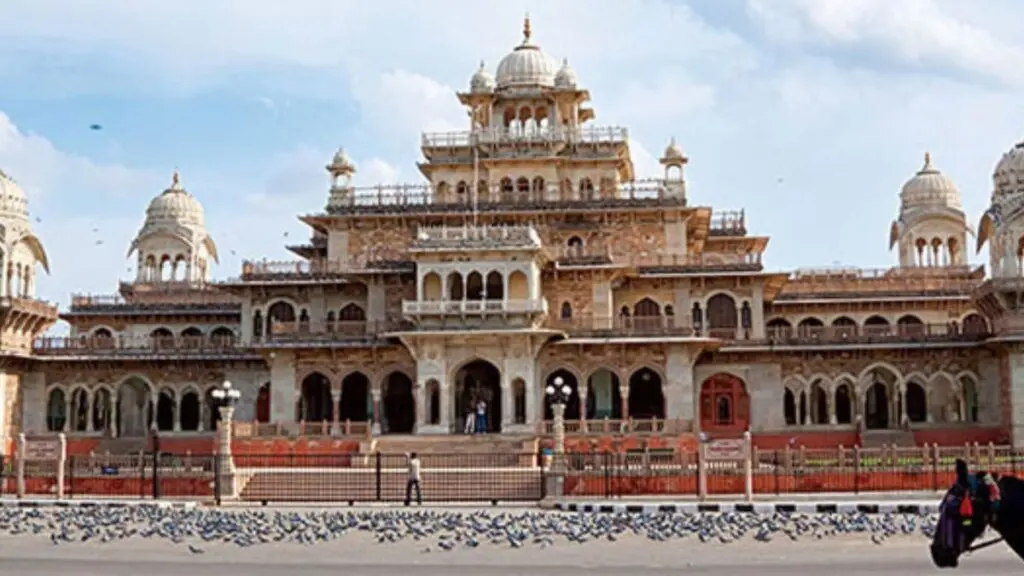
In contrast, Jaipur had no ‘very poor’ or ‘severe’ AQI day from January to 3 November 2026. On Thursday, 5 November, readings in two areas reached the ‘poor’ category, 223 at Mansarovar Sector-12 and 211 at RIICO Sitapura, while other zones stayed moderate, with Adarsh Nagar recording an AQI of 83.
Indian Opinion Analysis
Amar Ujala’s report is a local air-quality round-up for Jaipur, notable for what it omits: no mention of any government measure or failure, just a factual account of AQI levels and the year’s overall pattern. TV9 Hindi, covering Delhi, leads with an alarmist headline, ‘crisis deepens’, and catalogs 22 locations with AQI above 400, but also reports that GRAP-2 restrictions are in place with no sign of improvement. Both are neutral-report in framing, differing only in the city they cover and TV9’s added drama in its lede. The sharpest contrast is editorial tone: Amar Ujala remains squarely in data-sharing mode, while TV9 amplifies the sense of an unmanaged crisis before Diwali. Neither story cites a government spokesperson or an environmental expert. The only concrete action named is Delhi’s construction ban from 5 November to 20 November, reported without official commentary.
Coverage: 2 sources, 2 neutral
Sources (2): amarujala.com (neutral report), tv9hindi.com (neutral report)
This brief was synthesised by AI from the 2 sources linked above, so one read covers every framing they carry. Methodology and corrections.
Update, 6 November 2026: this story now draws on 2 sources.