


















Now Reading: Delhi AQI stays very poor at 367, rain may bring relief
-
01
Delhi AQI stays very poor at 367, rain may bring relief


The Story in Brief
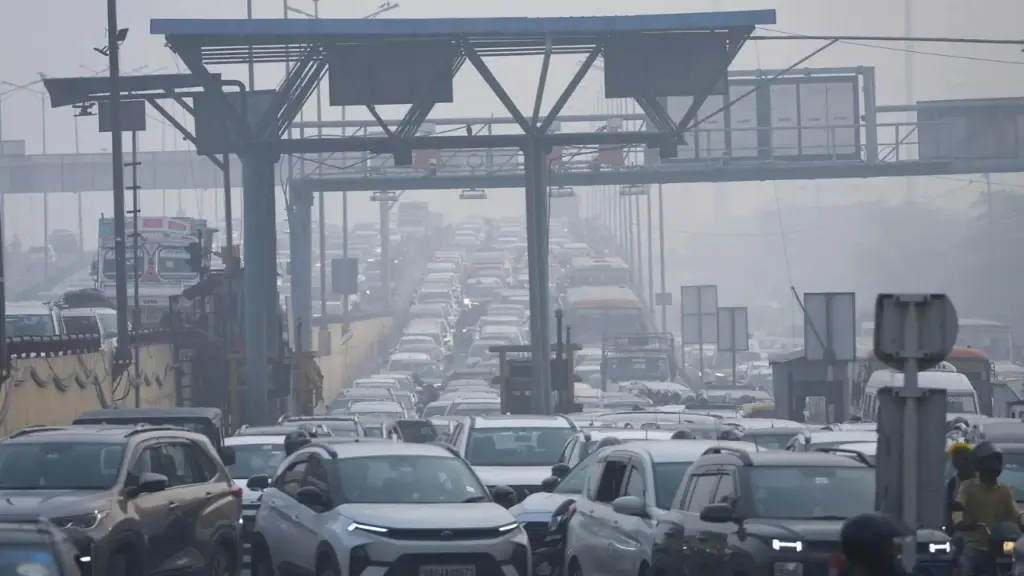
Delhi's 24-hour average Air Quality Index (AQI) stood at 367 on Saturday, 14 November 2026, staying in the 'very poor' category, slightly down from 373 on Friday, 13 November 2026. The India Meteorological Department said forecast rainfall could bring marginal relief over the next few days. The Air Quality Early Warning System for Delhi predicted a decline in PM2.5 and PM10 concentrations over the next two days.
Of 59 active monitoring stations, 17 recorded 'severe' levels, 38 were 'very poor', three 'poor' and one 'moderate'. PM10 was the main pollutant. The transport sector contributed 20.5% of pollution, followed by stubble burning at 13.3%, according to the Decision Support System. Satellite data from the CREAMS Laboratory recorded 537 crop residue-burning incidents across six states on Saturday, led by Madhya Pradesh (246) and Punjab (214).
Indian Opinion Analysis
Both sources published near-identical wire copy, presenting the same AQI figure, sectoral contribution data, station-wise break-up and farm fire count without any framing variation. The coverage is uniform straight reporting, with neither outlet adding commentary or critique of the government's pollution response. The neutral tone leaves the reader with the facts alone: Delhi's AQI remains in the 'very poor' band, rain is expected to provide marginal relief in the next two days, and stubble burning continues across multiple states. The concrete item to watch is whether the forecast rainfall materialises and lowers PM2.5 and PM10 levels as predicted.
Coverage: 2 sources, 2 neutral
Sources (2): economictimes.indiatimes.com (neutral report), hindustantimes.com (neutral report)
This brief was synthesised by AI from the 2 sources linked above, so one read covers every framing they carry. Methodology and corrections.