







Now Reading: Delhi Cabinet Clears DURGA Scheme for Pink Autos
-
01
Delhi Cabinet Clears DURGA Scheme for Pink Autos


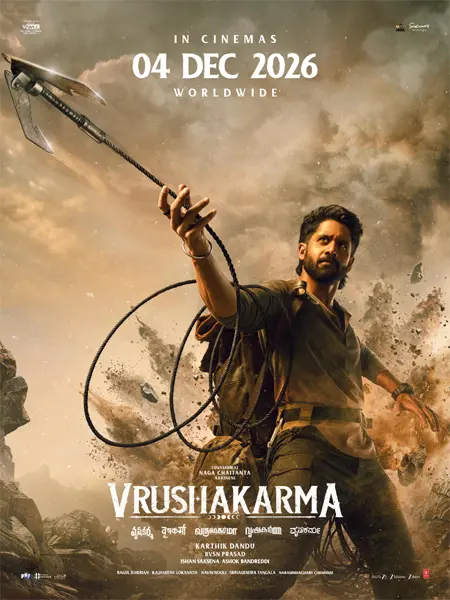
The Delhi Cabinet cleared the DURGA scheme on 23 September 2026, with applications opening on 12 October. In phase one, 1,300 electric autos are planned, with 1,170 reserved for women and 130 for transgender persons, who will own and drive them. Women applicants must be Delhi residents aged 20 to 40, with allotments decided by a lottery where applicants exceed a district's quota. Buyers can claim a Rs 50,000 incentive under the Delhi EV Policy 2026, though the government has not disclosed the final price per vehicle.
The scheme aims to address safety concerns for women traveling late evening. Evidence from similar pink initiatives across India shows mixed results. Delhi's free bus travel for women increased their share of daily riders from 33% in 2019-20 to 42% in 2022-23, but hostile crew and overcrowding remain issues. Karnataka's Shakti scheme saw women's rides rise from 183.07 crore in 2023-24 to 275.71 crore in 2025-26, but Rs 5,172 crore in reimbursements is pending. Maharashtra's target of 10,000 pink e-rickshaws by 2024 received 9,440 applications but only 130 women received vehicles, with bank loans and driving licences cited as obstacles.
Indian Opinion Analysis
The DURGA scheme's success hinges on whether applicants can secure loans and licences, a hurdle that has limited past pink-vehicle programmes in Maharashtra and Delhi. The government has not published the cost per auto or a transparent process for tracking who receives vehicles. Its planned two-phase study must measure safety outcomes, not just income, to fill the evidence gap that leaves most pink schemes without independent evaluation. The next step is the Transport Department's request for parking and charging space at Metro stations, which will determine if the autos are available when and where women need them.
Source: thebetterindia.com
This brief was synthesised by AI from the source linked above. Methodology and corrections.