

















Now Reading: Delhi court convicts Sukesh Chandrasekhar for impersonating SC judge
-
01
Delhi court convicts Sukesh Chandrasekhar for impersonating SC judge


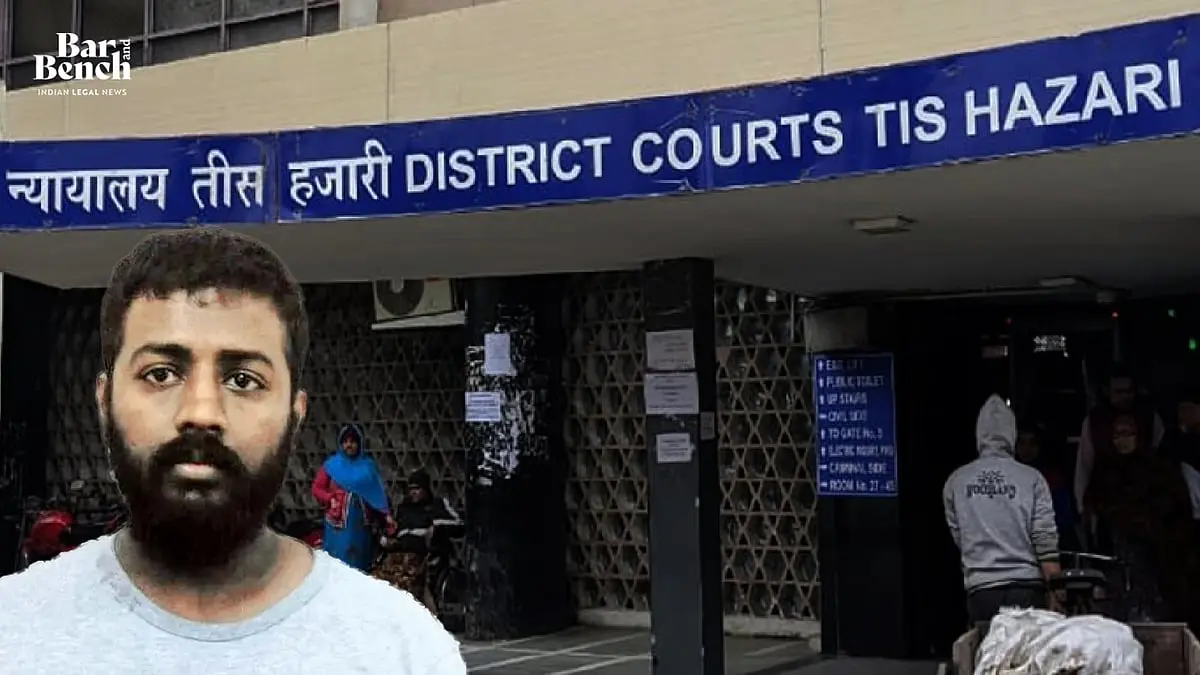
A Delhi court has convicted conman Sukesh Chandrasekhar for impersonating a sitting Supreme Court judge in April 2017 to pressure a judicial officer into granting him bail. Chief Judicial Magistrate Harshita Mishra of Tis Hazari Courts found him guilty under Indian Penal Code sections 170, 189 and 507. The court called the act an "absurd theatrical production" and said he had attempted to "convert the temple of justice into a marketplace of covert influence."
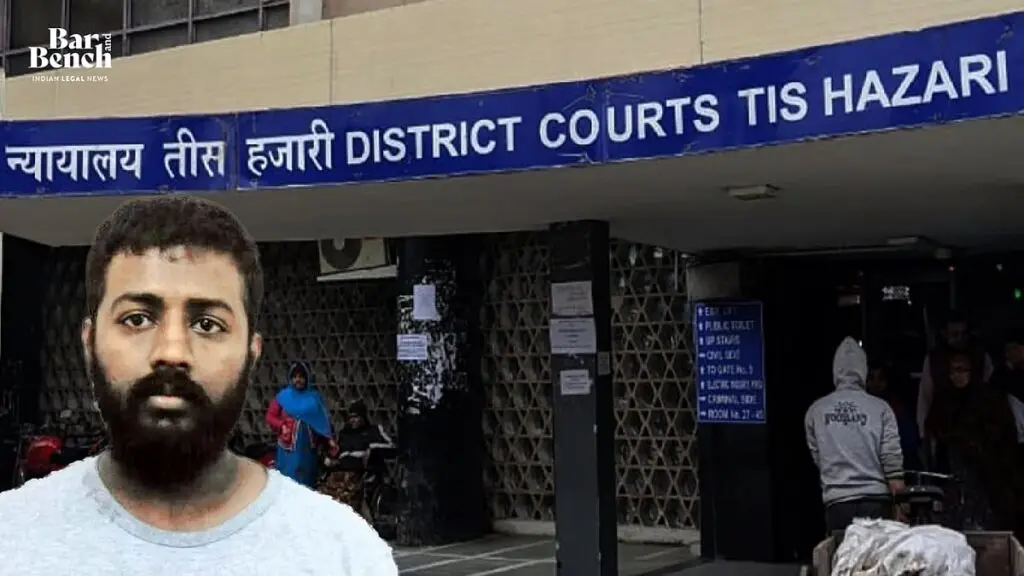
Chandrasekhar, while in police custody in a corruption case, used a constable's mobile phone to call special judge Poonam Chaudhary. He claimed to be a Supreme Court judge and demanded her to release him immediately, threatening her with professional repercussions. The judge verified the call with the Supreme Court and discovered the impersonation. The court convicted him based on call records and witness testimony.
The court strongly criticised the Delhi Police investigation as "superficial, shoddy and marked by apathy," noting the failure to recover the phone, seize CCTV footage, or probe the constable's role. It directed the police commissioner to re-examine whether fresh departmental or criminal proceedings were warranted against the constable.
Indian Opinion Analysis
Both outlets report the same court verdict and strong judicial language. Barandbench.com leads with the conman's conviction and quotes the court's institutional-defiance framing at length, while Times of India foregrounds the court's warning about an "invisible parallel judicial system." Neither outlet defends the Delhi Police, and both highlight the court's rare criticism of investigative apathy. The key difference is emphasis: Barandbench gives equal weight to the police failure, while Times of India notes it but centres the institutional defiance. The trial court's direction to re-examine the constable's role is the concrete next step to watch.
Coverage: 2 sources, 2 neutral
Sources (2): barandbench.com (neutral report), timesofindia.indiatimes.com (neutral report)
This brief was synthesised by AI from the 2 sources linked above, so one read covers every framing they carry. Methodology and corrections.
Updated: this story now draws on 2 sources.