












Now Reading: Sukesh Chandrasekhar convicted for impersonating Supreme Court judge
-
01
Sukesh Chandrasekhar convicted for impersonating Supreme Court judge


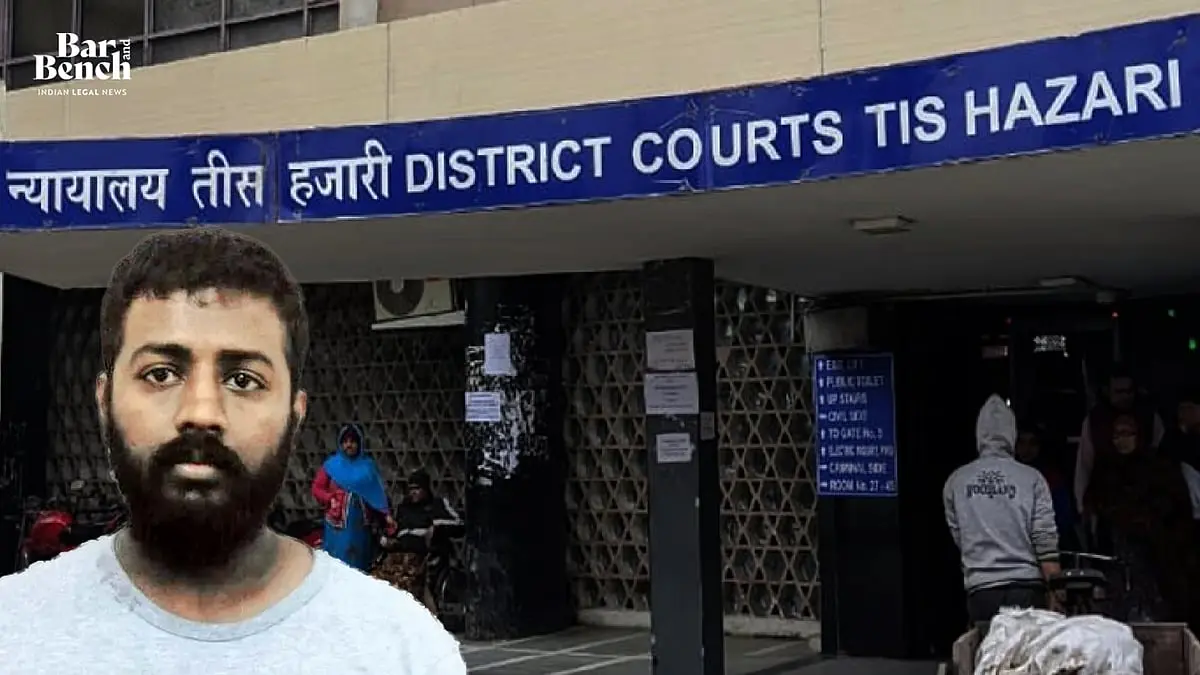
A Delhi court has convicted conman Sukesh Chandrasekhar for impersonating a sitting Supreme Court judge in 2017 to pressure a judicial officer into granting him bail. Chief Judicial Magistrate Harshita Mishra found him guilty under IPC Sections 170, 189 and 507. The court described the act as an 'absurd theatrical production' and a 'direct affront' to judicial independence, Bar and Bench reports.
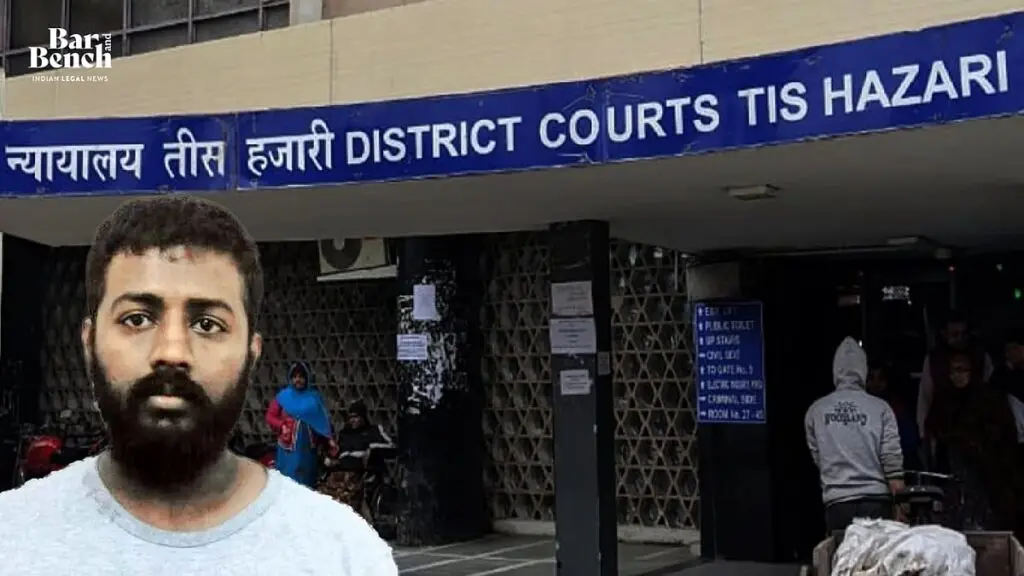
The case arose when Chandrasekhar, in police custody, allegedly used a constable's mobile phone to call the special judge, pretending to be the judge's secretary and then the judge himself. He threatened her with professional repercussions if she did not release him. The judge verified the call with the Supreme Court and found it was fake.
The court strongly criticised the Delhi Police investigation as 'superficial' and 'shoddy', noting failures to recover the phone or probe how Chandrasekhar accessed it. It directed the police commissioner to re-examine the constable's role. The Hindu reports that sentencing will be heard on August 27.
Indian Opinion Analysis
Both Bar and Bench and The Hindu report the conviction with near-identical factual detail and court commentary, showing no editorial slant. The significant difference is that Bar and Bench dedicates extensive space to the court's sharp criticism of the Delhi Police investigation, including the possibility the constable facilitated the crime. The Hindu omits that criticism, focusing instead on the court's reasoning on judicial integrity. The balanced reading: the court convicted Chandrasekhar while also flagging serious investigative gaps. The police commissioner's inquiry into the constable's role, ordered by the court, is the concrete next step to watch.
Coverage: 2 sources, 2 neutral
Sources (2): barandbench.com (neutral report), thehindu.com (neutral report)
This brief was synthesised by AI from the 2 sources linked above, so one read covers every framing they carry. Methodology and corrections.
Updated: this story now draws on 2 sources.