

















Now Reading: Delhi HC refuses to micromanage EC’s voter roll process
-
01
Delhi HC refuses to micromanage EC’s voter roll process



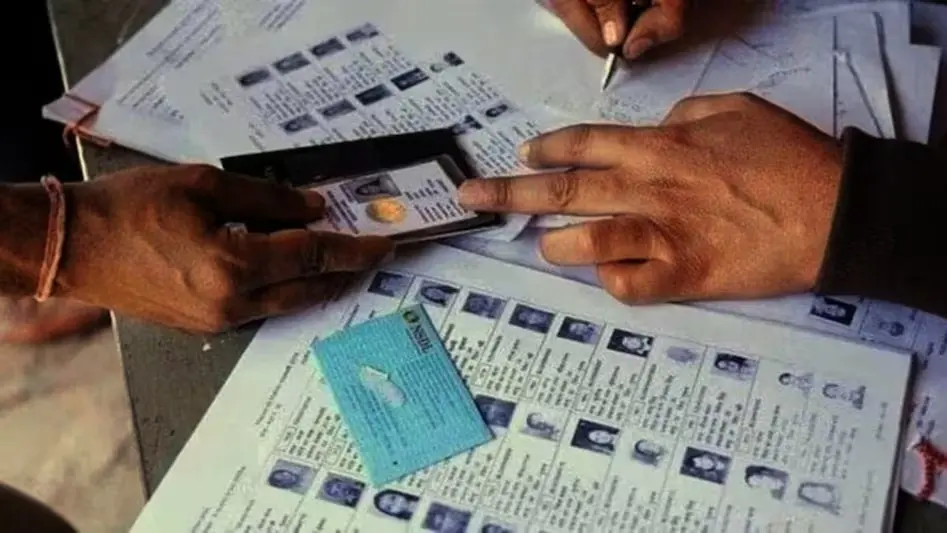
The Delhi High Court on Wednesday declined to direct the Election Commission to change its house-to-house enumeration method for the Special Summary Revision (SIR) of electoral rolls, saying such operational details cannot be thrust upon courts. A bench of Chief Justice DK Upadhyaya and Justice Tejas Karia was hearing a PIL by activist Indu Prakash Singh, who argued that the SIR process risks disenfranchising the city's estimated 3 lakh homeless people.
The petitioner contended that booth-level officers are required to physically locate voters at their recorded addresses, making it impossible to enrol or retain those who are homeless or displaced. The court observed that the PIL did not cite any specific instance of a citizen being left out. It said the EC must evolve its own mechanism and that everything should not be adjudicated by the judiciary.
The Election Commission's counsel assured the court that the poll body is aware of the concerns and already has a protocol in place. The bench said it will pass an order on the petition.
Indian Opinion Analysis
The court's reluctance to intervene reflects a settled legal position: courts rarely dictate administrative methods to independent constitutional bodies like the EC unless a fundamental right is demonstrably breached. The homeless are among the most vulnerable voters because they lack a fixed address, which is the basic unit of the current roll revision system. The EC's protocol remains unspecified, so the practical risk for Delhi's roughly 3 lakh homeless persons is that they could be deleted from rolls if BLOs cannot physically verify them. The next signal to watch is the HC's final order, which may nudge the EC to issue clearer guidelines or a helpline for homeless electors.
India's voter registration system relies on address-based verification, leaving out those without stable housing.
Source: timesofindia.indiatimes.com
This story was synthesised by AI from the source linked above. Methodology and corrections.