

















Now Reading: Delhi High Court grants bail to alleged ISIS operative after 5 years
-
01
Delhi High Court grants bail to alleged ISIS operative after 5 years



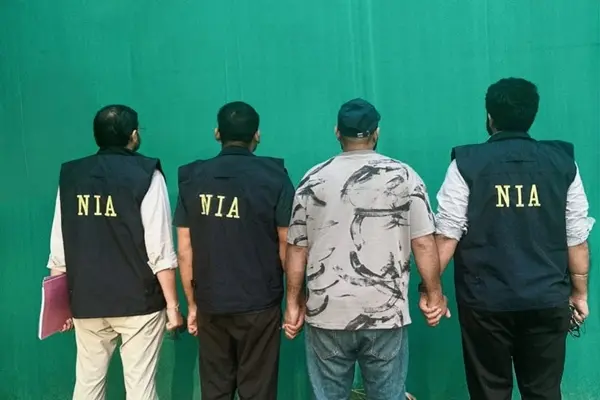
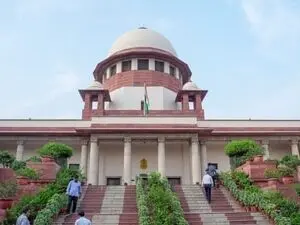
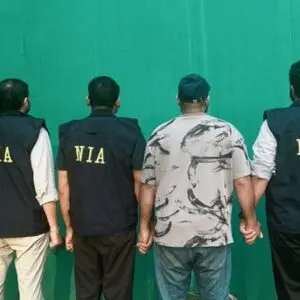
The Delhi High Court on Thursday, 1 October 2026, granted bail to Mohd Shahzad Kamal, an accused in a 2018 terror conspiracy case registered by the National Investigation Agency (NIA). A division bench of Justice Navin Chawla and Justice Arun Bhardwaj allowed his appeal against a special court order of 29 May 2024 that had denied bail. Kamal has been in custody since 31 August 2021.
The NIA alleged that Kamal was an operative of Harkat-ul-Harb-e-Islam, described by the prosecution as an ISIS-affiliate, and that he arranged and channelled terror funds from Saudi Arabia between February 2017 and January 2019. The charges against him include Sections 17, 18, 39 and 40 of the UAPA and Section 121 of the IPC. The court noted that Kamal had spent over five years in custody and that only one of 161 prosecution witnesses had been examined, making a speedy conclusion of trial unlikely.
The bench set aside the special court order and directed Kamal's release on bail with conditions, including a personal bond of Rs 50,000 with two sureties, surrender of passport, and fortnightly reporting to the NIA office. The court clarified that its observations were limited to the bail decision and would not affect the trial on merits. LiveLaw and the Times of India both reported the order.
Indian Opinion Analysis
LiveLaw led with the UAPA charges and the NIA's detailed allegation of funding from Saudi Arabia, while the Times of India foregrounded the five-year custody length and the slow trial pace as the court's stated rationale. Both outlets reported the same bench and order, but LiveLaw devoted more space to the prosecution's narrative and the defence's argument that the chargesheet contained no evidence admissible at trial. The Times of India gave greater weight to the high court's reliance on Supreme Court precedents linking prolonged incarceration to Article 21 rights. Together, the coverage shows the court weighed both the gravity of terrorism allegations and the constitutional right to a speedy trial, without either framing being dominant. No next step is named, the trial continues with 160 witnesses still to be examined.
Coverage: 2 sources, 2 neutral
Sources (2): livelaw.in (neutral report), timesofindia.indiatimes.com (neutral report)
This brief was synthesised by AI from the 2 sources linked above, so one read covers every framing they carry. Methodology and corrections.