











Now Reading: Delhi Reclaimed Water Policy sets price, targets 100% reuse by 2036
-
01
Delhi Reclaimed Water Policy sets price, targets 100% reuse by 2036


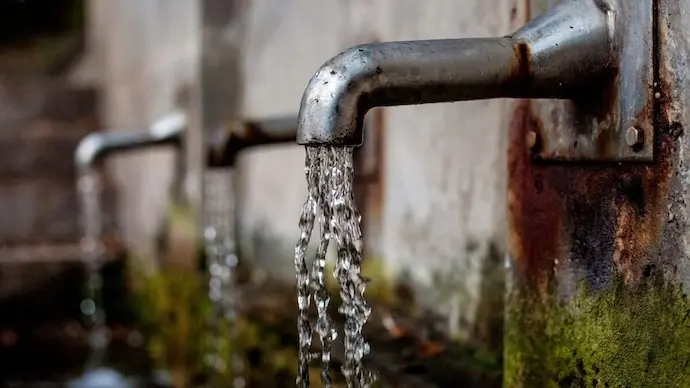
The Delhi government is preparing the Reclaimed Water Policy 2026 to expand treated wastewater use, targeting 100% reuse for non-potable needs by 2036. Delhi treats 750 million gallons per day (MGD) of sewage. Of this, 483 MGD is available for reuse, but only 120 MGD is currently used. The policy aims to bring the remaining 363 MGD into productive use.
Under the plan, use of reclaimed water will be mandatory for construction sites of 500 sqm or more in designated service areas for dust suppression and curing. Farmhouses must pay Rs 10,000 per acre monthly for treated water, with a one-time connection charge of Rs 1 lakh per acre. Residential complexes may get dual pipelines for separate drinking and reclaimed water supply.
The Delhi Jal Board will notify service areas around compliant sewage treatment plants. The government is also pursuing a Rs 56,000-crore water infrastructure Master Plan and a Rs 2,500-crore Asian Development Bank project. Stakeholder discussions will precede final government approval of the Reclaimed Water Policy 2026.
Indian Opinion Analysis
The Uniform straigh t Reporting across Inda Today and Times of India. Both art cles report the Reclaimed Water policy core fact of 120 MGD reused, and the Po tential of 483 MGD availabl for reuse. The difference is in lead and detail. Inda Today leads with the policy goal of saving drink water and the minister's statement on current treatment capacity, focusing on consumption reduction and bill saving for residents. Times of India leads with the specific Rs 10,000 per acre tariff for farmhouse use and the CM's announcment, foregrounding pricing and infrastructure cost for the 56,000 crore Master Plan. The Times article also includes the 2036 compliance deadline for 100% reuse. Neither article is critical or praise the government overtly.
Coverage: 2 sources, 2 neutral
Sources (2): indiatoday.in (neutral report), timesofindia.indiatimes.com (neutral report)
This brief was synthesised by AI from the 2 sources linked above, so one read covers every framing they carry. Methodology and corrections.
Updated: this story now draws on 2 sources.