






Now Reading: Delhi plans Rs 8,300 crore spend to fight air pollution
-
01
Delhi plans Rs 8,300 crore spend to fight air pollution


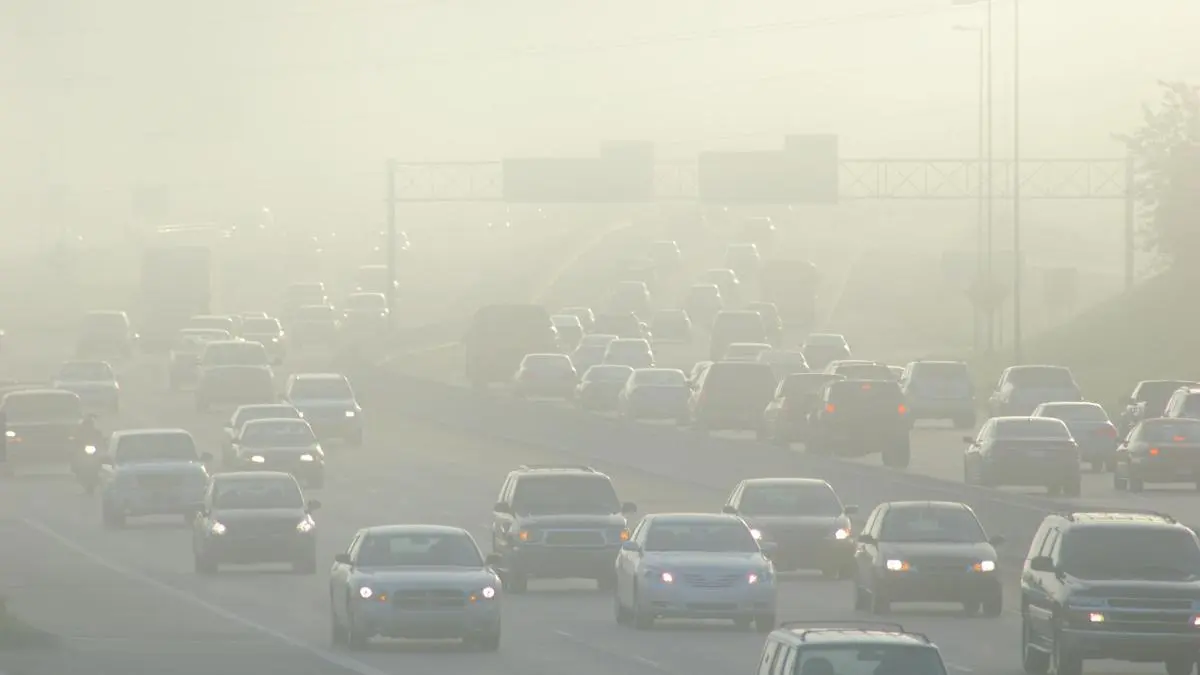
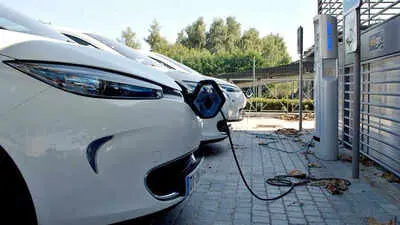
Delhi is set to spend Rs 8,300 crore on a seven-year programme backed by World Bank financing to combat air pollution. The plan includes better data analytics, anti-smog guns, an improved electric vehicle policy, and tighter coordination between agencies. Measures target transport, construction, waste and industry.

The editorial argues that Delhi's pollution problem is not a lack of information but a failure of political will. It points out that many interventions are only activated during winter, when the crisis becomes visible, even though emissions continue year-round. The piece questions whether the city needs a large new spending plan to address problems whose sources are already well known.
It suggests year-round enforcement, hybrid work arrangements to reduce commuting, and continuous dust control at construction sites. The editorial cautions against mistaking better measurement for better governance, saying the hardest question is what authorities are willing to stop or restrict permanently.
Indian Opinion Analysis
The editorial's central criticism echoes a long-running debate over Delhi's seasonal approach to air pollution. The Graded Response Action Plan (GRAP) already mandates emergency measures in winter, but enforcement has been patchy and often reactive. The question of hybrid work has been raised before but never adopted as a formal policy by the Delhi government or the Commission for Air Quality Management. With World Bank funding tied to results, the real test will be whether the new plan includes enforceable year-round compliance targets and penalties, not just better dashboards. The next major milestone is the winter of 2025-26, when the first full season of the programme will be tested.
The editorial's framing leans toward government-critical, leading with the claim that the government already knows the causes but lacks the will to act.
Source: thehindu.com
This story was synthesised by AI from the source linked above. Methodology and corrections.