







Now Reading: Mumbai’s moderate AQI masks toxic hotspots, CSE analysis finds
-
01
Mumbai’s moderate AQI masks toxic hotspots, CSE analysis finds


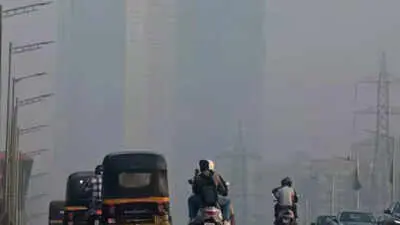
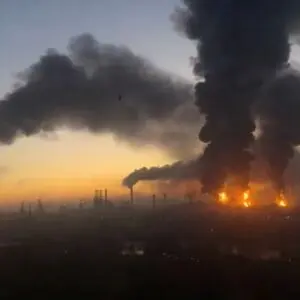
A Centre for Science and Environment (CSE) analysis of real-time CPCB data has found that pollution levels in Mumbai vary sharply between neighbourhoods, with Deonar recording the highest seasonal average PM2.5 concentration at 80 micrograms per cubic metre, nearly three times the 29 µg/m³ recorded in Borivali East. The analysis, prepared by Bharucha & Partners, argues that a single city-wide AQI gives residents a false sense of safety and that hyperlocal data is needed to target specific pollution sources.
The study notes that Mumbai's multiple municipal corporations lack a single airshed authority like Delhi-NCR's Commission for Air Quality Management, and that ward-level actions may not work when pollutants cross administrative boundaries. The BMC, in collaboration with IIT Kanpur, is developing the MANAS network of 75 low-cost sensors to provide real-time hyperlocal PM2.5 and PM10 data, while BMC has also floated a Rs 2,368-crore tender to close and remediate the Deonar landfill over three years.
Indian Opinion Analysis
The gap the CSE analysis flags is structural: unlike Delhi-NCR, which got a statutory airshed authority in 2021, the Mumbai Metropolitan Region has no single body to coordinate monitoring and enforcement across its dozens of civic bodies. The MANAS sensor network, if validated and deployed, would be India's densest urban air-quality grid, but it is only a data tool, not a regulator. The real test will be whether the state government creates an MMR-wide airshed authority with enforcement powers, as environmentalists and the Bombay High Court have pressed for. The BMC's landfill tender is a concrete step, but closure of the Deonar site alone will not solve pollution from the TTC and Taloja industrial clusters, which the analysis identifies as likely hotspots requiring separate source-specific action.
Source: timesofindia.indiatimes.com
This brief was synthesised by AI from the source linked above. Methodology and corrections.