











Now Reading: Dengue season imposes double burden on Indian women
-
01
Dengue season imposes double burden on Indian women


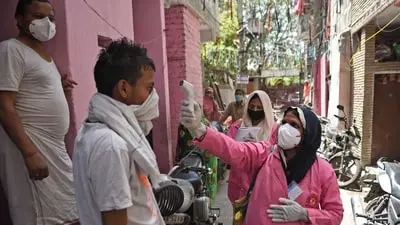
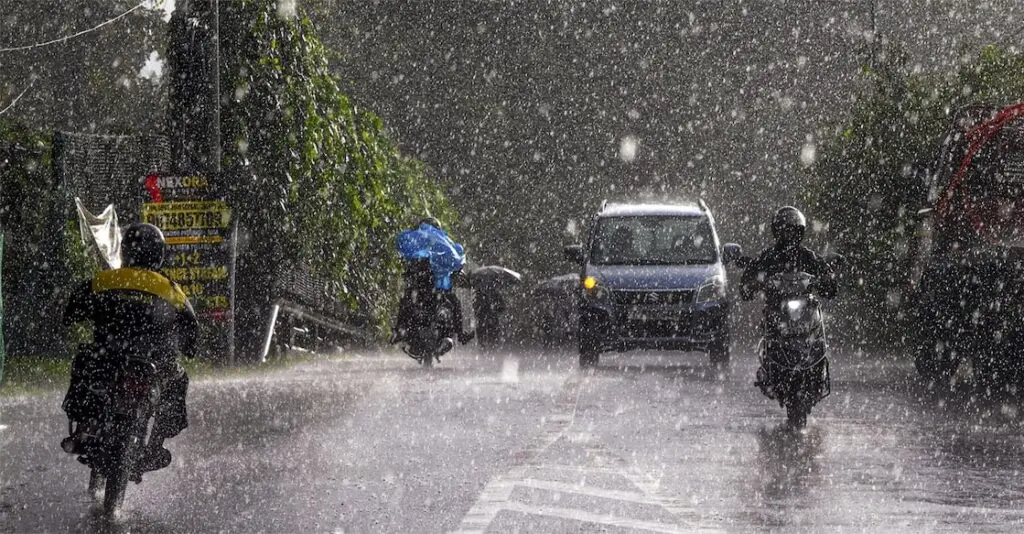
As monsoon fuels a surge in vector-borne diseases, nearly 300,000 dengue cases were reported in India last year, with malaria still entrenched in the poorest districts. Women bear the brunt of unpaid caregiving: they provide informal care in up to 83% of malaria cases and spend roughly four times more days than men nursing a sick family member. Almost 70% of community health workers are women, working at risk of contracting the diseases themselves, yet their labour is rarely acknowledged or paid.
Women also face heightened biological risk: dengue during pregnancy triples the risk of maternal mortality, and close to two-thirds of India's female agricultural workforce face greater mosquito exposure simply by going to work. Missing even a few workdays can devastate household income. Experts argue that vector-borne diseases are not gender-neutral, and that effective prevention must place gender equity at the centre of public health action.
The recent regulatory approval for India's first dengue vaccine is seen as a step toward closing the caregiving gap. Every prevented case also prevents a caregiving burden, a lost wage, or a school day missed by a daughter pulled in to help at home. Policy responses are urged to ensure the vaccine reaches women and children as a priority.
Indian Opinion Analysis
India reported over 2.3 lakh dengue cases in 2023, a 16-year high. The unpaid caregiving burden, already skewed by gender norms, compounds when a wage-earning woman herself falls ill. The newly approved dengue vaccine, Qdenga, is a two-dose shot, its inclusion in the public immunisation programme will determine whether it reaches the women who need it most. The next signal to watch is whether the National Technical Advisory Group on Immunisation recommends it for universal or targeted use.
Source: hindustantimes.com
This story was synthesised by AI from the source linked above. Methodology and corrections.