









Now Reading: Health ministry, NDMC issue monsoon mosquito disease alerts
-
01
Health ministry, NDMC issue monsoon mosquito disease alerts


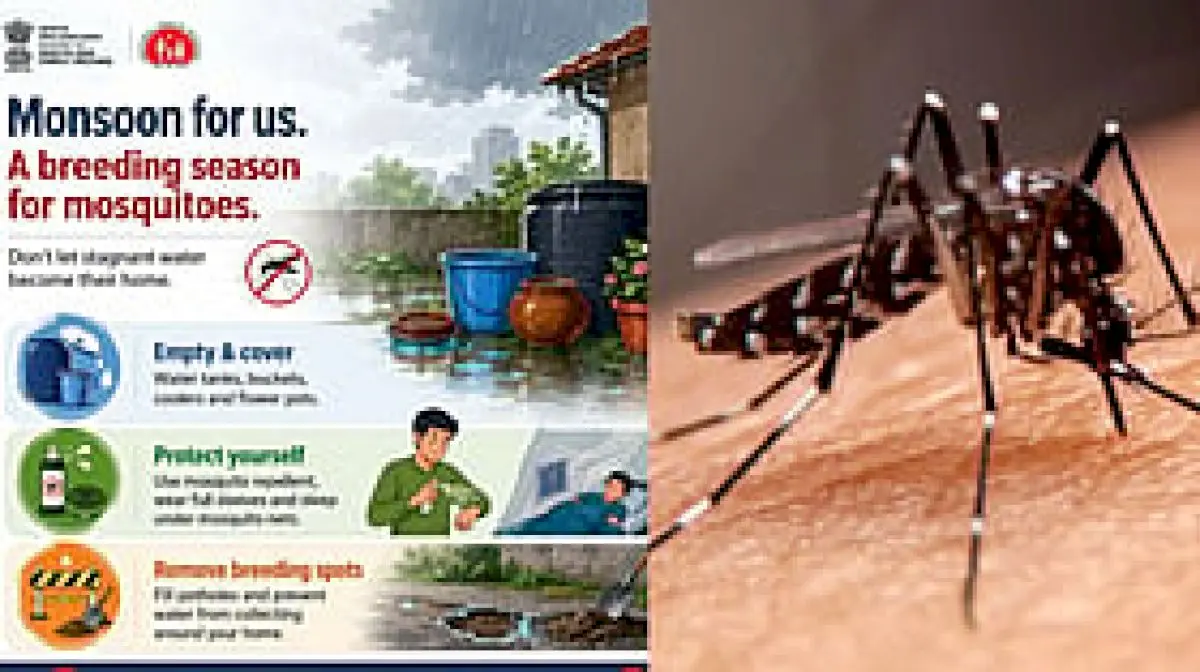
The Union health ministry and New Delhi Municipal Council have issued separate advisories asking people to prevent mosquito breeding during the monsoon season. On Friday, the Ministry of Health and Family Welfare…
The Story in Brief
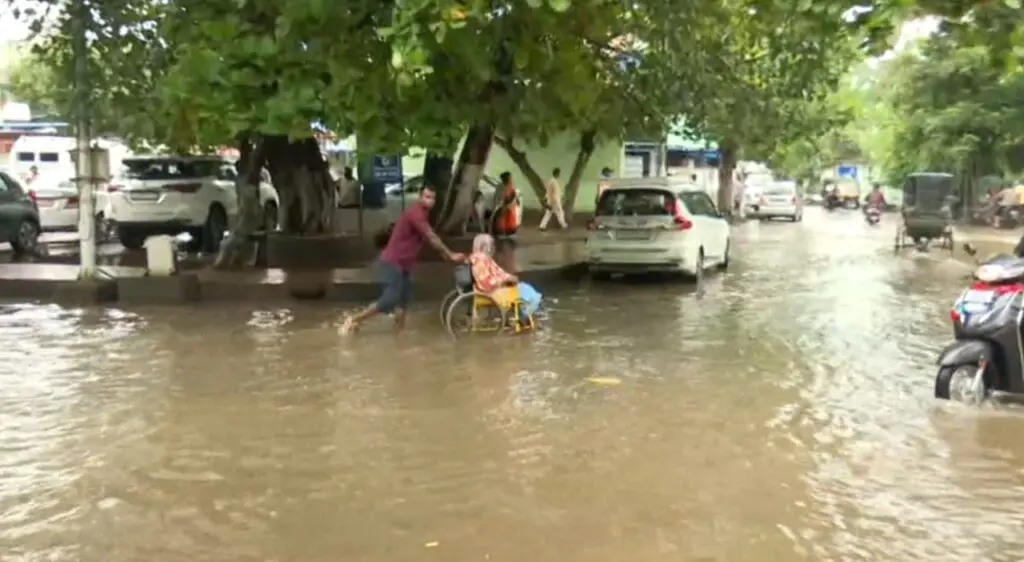
The Union health ministry and New Delhi Municipal Council have issued separate advisories asking people to prevent mosquito breeding during the monsoon season. On Friday, the Ministry of Health and Family Welfare shared tips on X urging citizens to empty water storage containers, wear full-sleeved clothes and use mosquito nets. NDMC launched a campaign against dengue, chikungunya and malaria, warning the public not to rely only on platelet count during dengue treatment and not to self-medicate.
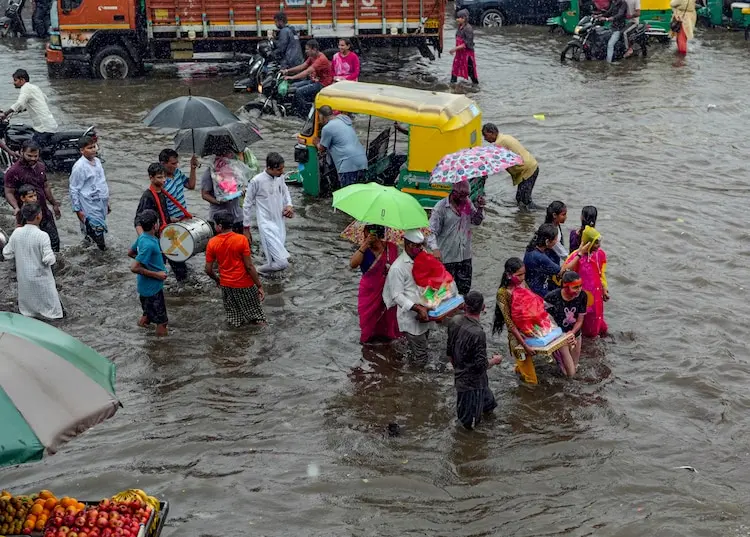
Both advisories stress removing stagnant water from coolers, flower pots and discarded tyres. NDMC also appealed to residents not to dump waste in open areas. The health ministry said even simple actions can reduce mosquito breeding, but the effort needs consistency at household and community levels.
The Indian Opinion
These advisories repeat every monsoon, yet dengue cases spike year after year. Telling people to empty coolers and wear full sleeves is not enough when civic bodies leave potholes unfilled and garbage uncollected for weeks. The real test is whether NDMC and municipal corporations will actually drain stagnant water in public spaces and penalise construction sites that breed mosquitoes. Delhi's weekly mosquito density index will settle the question faster than any poster campaign.
Sources (2): freepressjournal.in, millenniumpost.in
This story was synthesised by AI from the 2 sources linked above.
Updated: this story now draws on 2 sources.