





















Now Reading: Doctor warns H1N1 antiviral works best within 48 hours
-
01
Doctor warns H1N1 antiviral works best within 48 hours


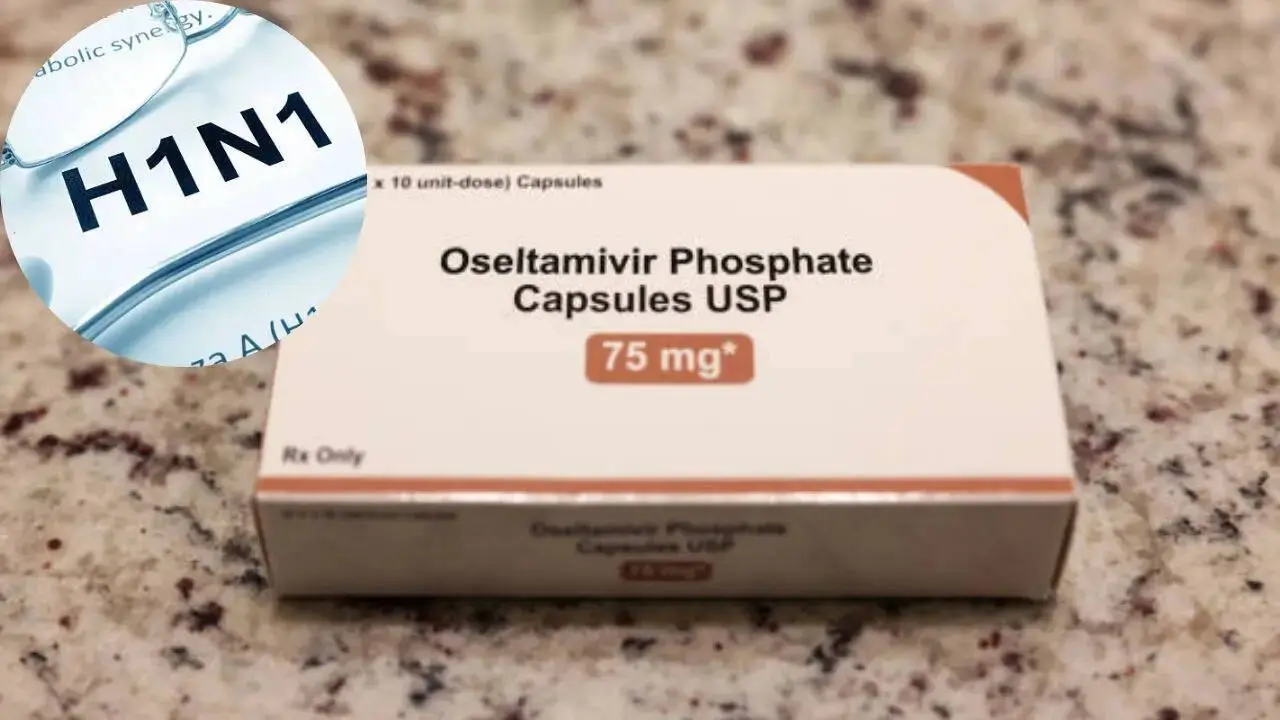
Physician Dr Ravi Godse has warned that oseltamivir, the antiviral used against influenza A including H1N1, must be taken within 48 hours of symptom onset for maximum effectiveness. He said patients often wait two days for fever to subside, then consult a doctor on day three, missing the ideal treatment window.
The World Health Organization states that early antivirals reduce severe complications and deaths. Treatment should not wait for laboratory confirmation when a clinician suspects influenza, particularly in high-risk groups: young children, older adults, pregnant women, and those with weakened immune systems.
Dr Godse noted that missing the 48-hour window does not make oseltamivir useless, patients with severe or progressive illness may still benefit from later treatment. Anyone with sudden fever, cough, sore throat, body aches or extreme fatigue should seek medical advice promptly rather than waiting for symptoms to pass.
Indian Opinion Analysis
The 48-hour window for oseltamivir has been standard WHO guidance since the 2009 H1N1 pandemic, when India reported 1,200 lab-confirmed cases. The seasonal flu season in India typically peaks between January and March, and again post-monsoon in August and October. Private consultations for viral fever surge during these months, often with patients demanding antibiotics rather than antivirals. The key practical takeaway for clinicians: a rapid influenza diagnostic test available at many district hospitals can confirm H1N1 within 30 minutes, removing the need to wait for PCR results that take 24, 48 hours.
Source: timesnownews.com
This story was synthesised by AI from the source linked above. Methodology and corrections.