


















Now Reading: H1N1 cases surge in Delhi, symptoms can mimic stomach infection
-
01
H1N1 cases surge in Delhi, symptoms can mimic stomach infection



H1N1 infections in Delhi have risen sharply, with 1,777 cases reported up to August 20, 2026, compared with 229 during the same period last year, according to Mathrubhumi. The Indian Council of Medical Research has said no new strain is behind the increase and the virus remains seasonal influenza.

Doctors warn that H1N1 does not always present with fever and cough. Dr Swati Rajagopal of Aster CMI Hospital told Times Now that vomiting, diarrhoea, loss of appetite and unusual weakness can occur, sometimes without a high fever. Symptoms overlap with COVID-19 and other respiratory infections, so testing via RT-PCR is the most reliable way to confirm H1N1.
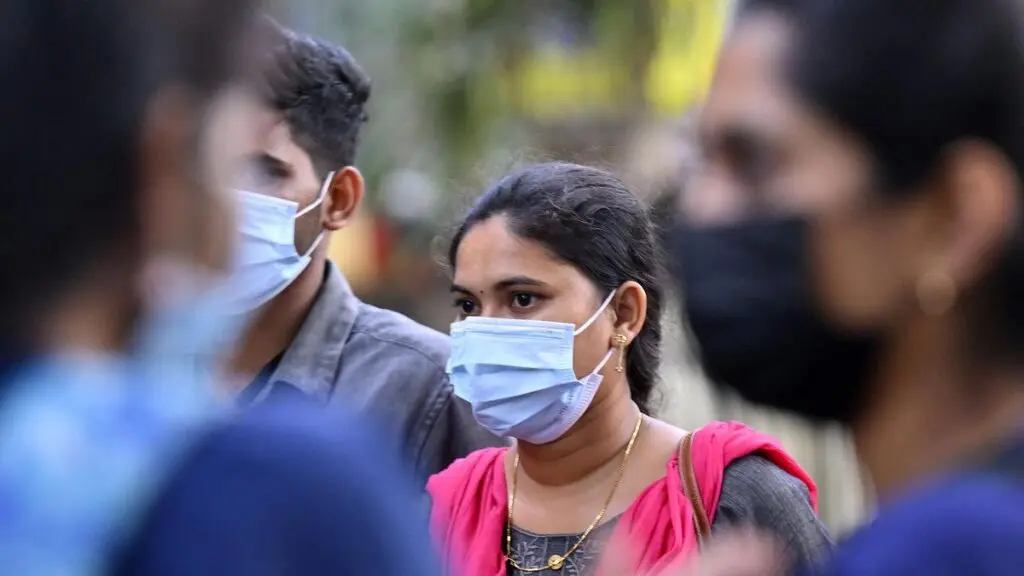
People at higher risk, including pregnant women, young children, older adults and those with chronic conditions, should seek early medical advice. Annual influenza vaccination, hand hygiene and mask use in crowded spaces are recommended preventive steps.
Indian Opinion Analysis
Both sources give straight public-health advice, but Mathrubhumi leads with the Delhi case count and the ICMR denial of a new strain, framing the rise as seasonal variation. Times Now leads with atypical symptoms and expert quotes, framing the story as an awareness piece for individuals. Neither source questions official data or vaccine policy. The balanced takeaway: the case surge is real but epidemiologically routine, and clinical awareness is the main gap the coverage fills.
Coverage: 2 sources, 2 neutral
Sources (2): timesnownews.com (neutral report), english.mathrubhumi.com (neutral report)
This brief was synthesised by AI from the 2 sources linked above, so one read covers every framing they carry. Methodology and corrections.
Updated: this story now draws on 2 sources.