














Now Reading: India calls drought a defining development challenge at UN meet
-
01
India calls drought a defining development challenge at UN meet


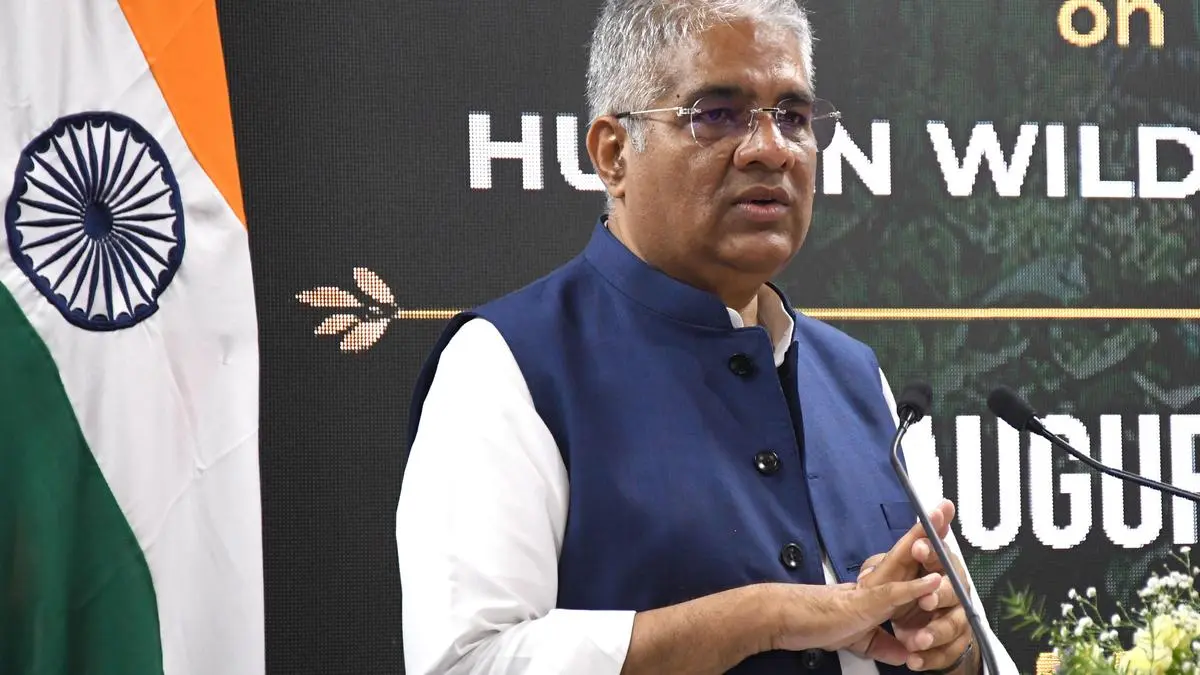
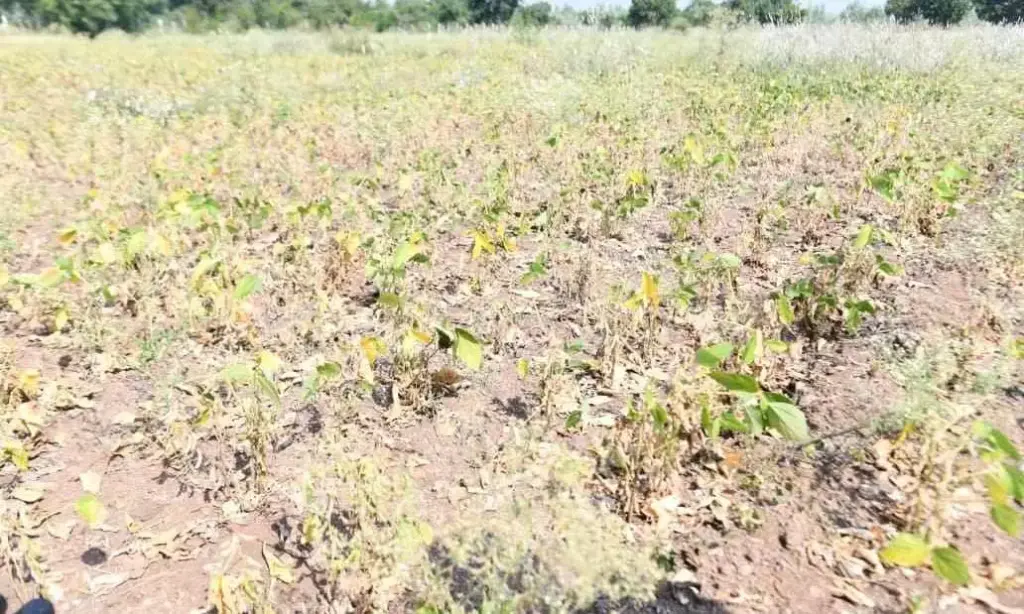
Union Environment Minister Bhupender Yadav told the UNCCD COP17 in Mongolia on Tuesday that drought is no longer an occasional event but a defining development challenge. He called for a global shift from reactive relief to proactive, technology-enabled drought resilience. The Hindu reports Yadav emphasised India's multi-institutional approach integrating early warning, mitigation, and community resilience. ThePrint adds that India's system uses rainfall monitoring, satellite data on vegetation health, soil moisture, and reservoir levels to ensure a dry spell does not immediately escalate into a drought.
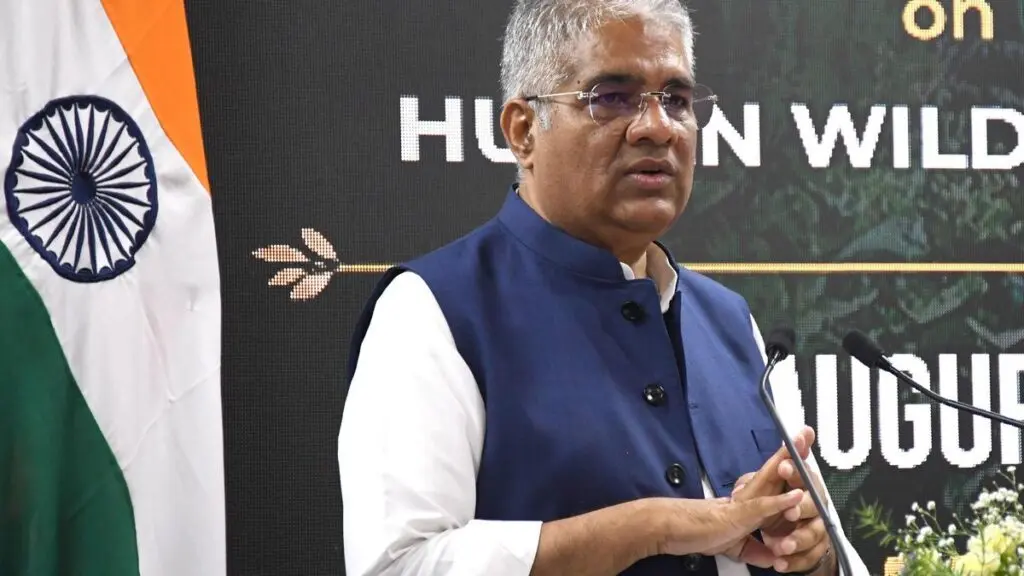
India has multiple schemes to strengthen water security, including the Atal Bhujal Yojana and Pradhan Mantri Krishi Sinchayee Yojana, ThePrint notes. According to a press release cited by ThePrint, about 68% of India's total sown area is drought-prone. Yadav advocated for watershed restoration, climate-resilient cropping, and stronger early warning systems globally. The UNCCD COP17, hosted by Mongolia under the theme 'Restoring Land. Restoring Hope', runs from 17 to 28 August and includes negotiations on land degradation neutrality targets and green finance mechanisms.
Indian Opinion Analysis
Both outlets report Yadav's speech as a neutral straight-news account, with no critical or pro-government slant. The coverage is uniform, focusing on his call for proactive drought management and India's existing systems. ThePrint adds domestic scheme names and the 68% drought-prone area figure, adding context. The Hindu frames the speech within the broader COP17 negotiation agenda. The absence of opposition or independent expert comment means the coverage is entirely from the government's platform. The UNCCD's final agreement on drought resilience targets, due by 28 August, will be the concrete outcome to measure against this rhetoric.
Coverage: 2 sources, 2 neutral
Sources (2): thehindu.com (neutral report), theprint.in (neutral report)
This brief was synthesised by AI from the 2 sources linked above, so one read covers every framing they carry. Methodology and corrections.
Updated: this story now draws on 2 sources.