

















Now Reading: West Asia conflict, US tariffs weigh on business confidence: RBI
-
01
West Asia conflict, US tariffs weigh on business confidence: RBI


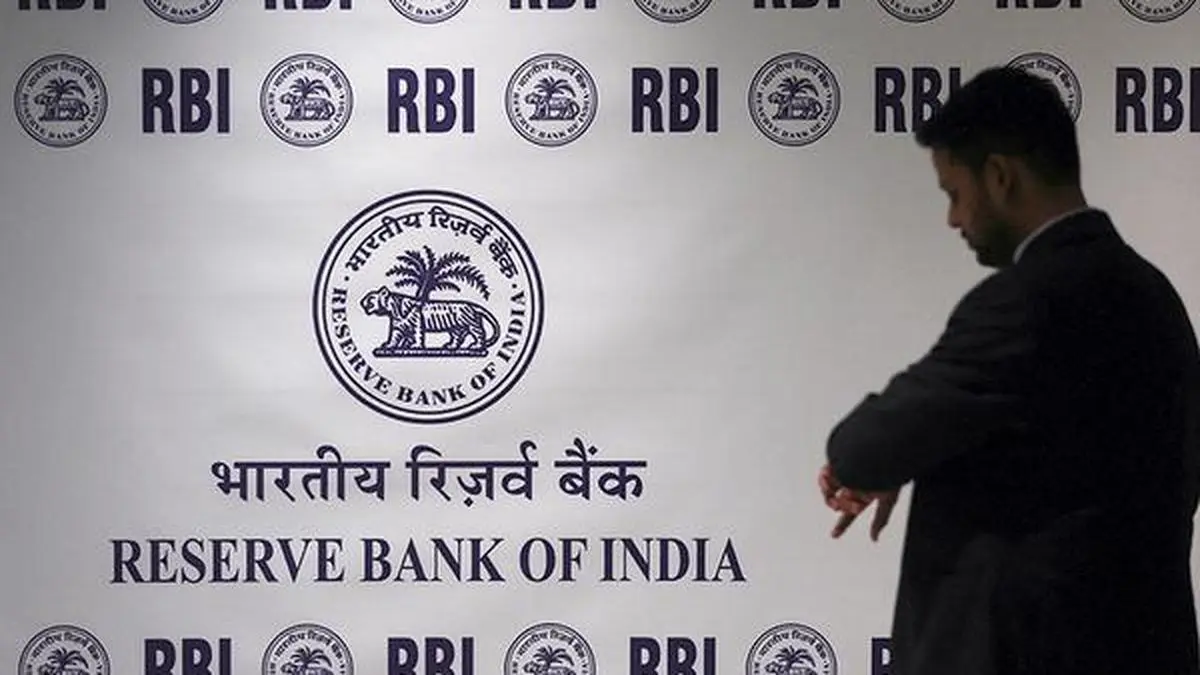
The West Asia conflict and new US tariffs are weighing on business confidence and challenging supply chains for oil and other commodities, Reserve Bank of India officials said in the August bulletin released Tuesday. The global economy is expanding but with inflationary pressures, they noted.
The Indian economy continues to show strength due to robust macroeconomic fundamentals, the RBI officials said. Domestic demand remains buoyant, reflected in vehicle and tractor sales. Merchandise exports grew 19.6% year-on-year to $44.2 billion in July, a four-month high, while the trade deficit widened to $32 billion.
Headline CPI inflation edged up to 4.45% in July from 4.38% in June, driven by food prices, but core inflation remained stable. The price of the Indian crude basket rose to $89.7 per barrel in August. Kharif sowing improved with monsoon recovery, nearing last year's level.
Indian Opinion Analysis
Both The Hindu and BusinessLine report the RBI bulletin as a straight factual account, with no divergence in stance. The coverage is uniform, neither outlet questioning the central bank's assessment that India's macroeconomic fundamentals cushion the economy from geopolitical and trade shocks. The key number to watch is July's trade deficit of $32 billion, which widened despite export growth, indicating import dependence in electronics and other sectors that may persist as US tariffs take effect.
Coverage: 2 sources, 2 neutral
Sources (2): thehindu.com (neutral report), thehindubusinessline.com (neutral report)
This brief was synthesised by AI from the 2 sources linked above, so one read covers every framing they carry. Methodology and corrections.
Updated: this story now draws on 2 sources.