













Now Reading: India restored 22 million hectares of land by 2020, says Bhupender Yadav at UNCCD COP17
-
01
India restored 22 million hectares of land by 2020, says Bhupender Yadav at UNCCD COP17

India restored 22 million hectares of land by 2020, says Bhupender Yadav at UNCCD COP17


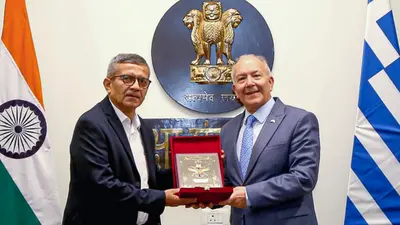
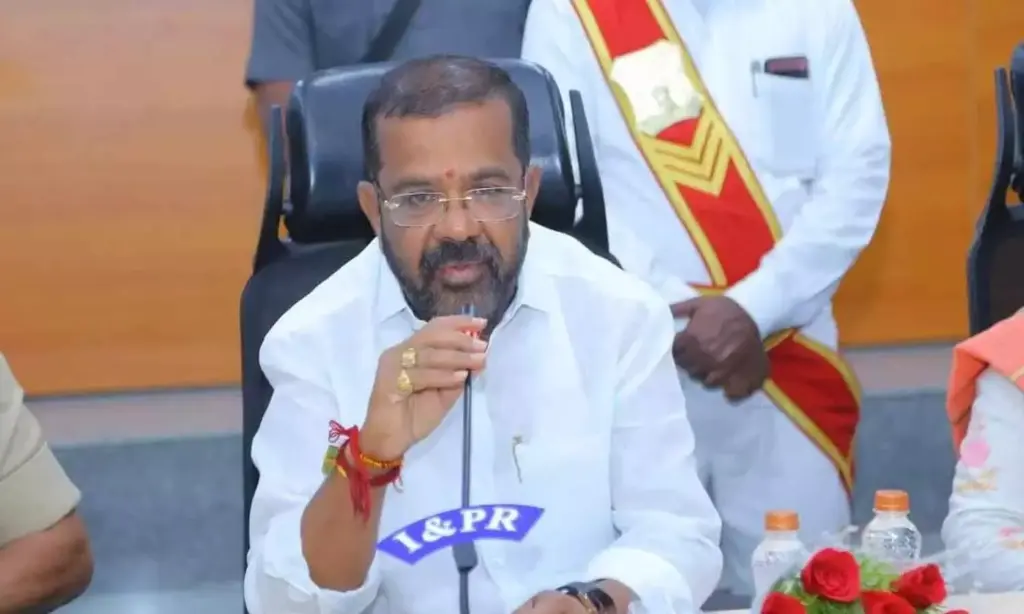
Union minister Bhupender Yadav told the UNCCD COP17 in Ulaanbaatar on Monday that India restored nearly 22 million hectares of degraded and deforested land between 2011 and 2020. The effort generated about 1.2 billion person-days of employment. Yadav said restoration is not a standalone intervention but an essential part of sustainable development.

India's initial commitment to restore 26 million hectares by 2030 was announced in 2015. The minister said India was undertaking the next reporting cycle for 2021-25 with the Indian Council of Forestry Research and Education and IUCN. He also called for diversified, adequate and sustained international finance for land restoration and drought resilience, calling it an investment in food, water, biodiversity and livelihoods.
The COP17 is being held in the Mongolian capital from 17 to 28 August under the theme 'Restoring Land, Restoring Hope'.
Indian Opinion Analysis
Both ThePrint and the Times of India offered neutral straight reporting of Yadav's UNCCD speech. ThePrint embedded more ministerial narrative about land restoration as an 'essential component' of development, while Times of India led with a verifiable stat (22 million hectares restored) and added the minister's appeal for international finance. Neither source questioned the target shortfall or examined the ecological quality of the restoration. The balanced reading is that India has reported significant area figures and employment generation, but the credibility of the commitment rests on the next reporting cycle (2021-25) which must now measure financial flows alongside area restored. The ICFRE and IUCN will submit that report.
Coverage: 2 sources, 2 neutral
Sources (2): theprint.in (neutral report), timesofindia.indiatimes.com (neutral report)
This story was synthesised by AI from the 2 sources linked above. Methodology and corrections.
Updated: this story now draws on 2 sources.