














Now Reading: Dual dashcam offers rear coverage beyond front-only models
-
01
Dual dashcam offers rear coverage beyond front-only models


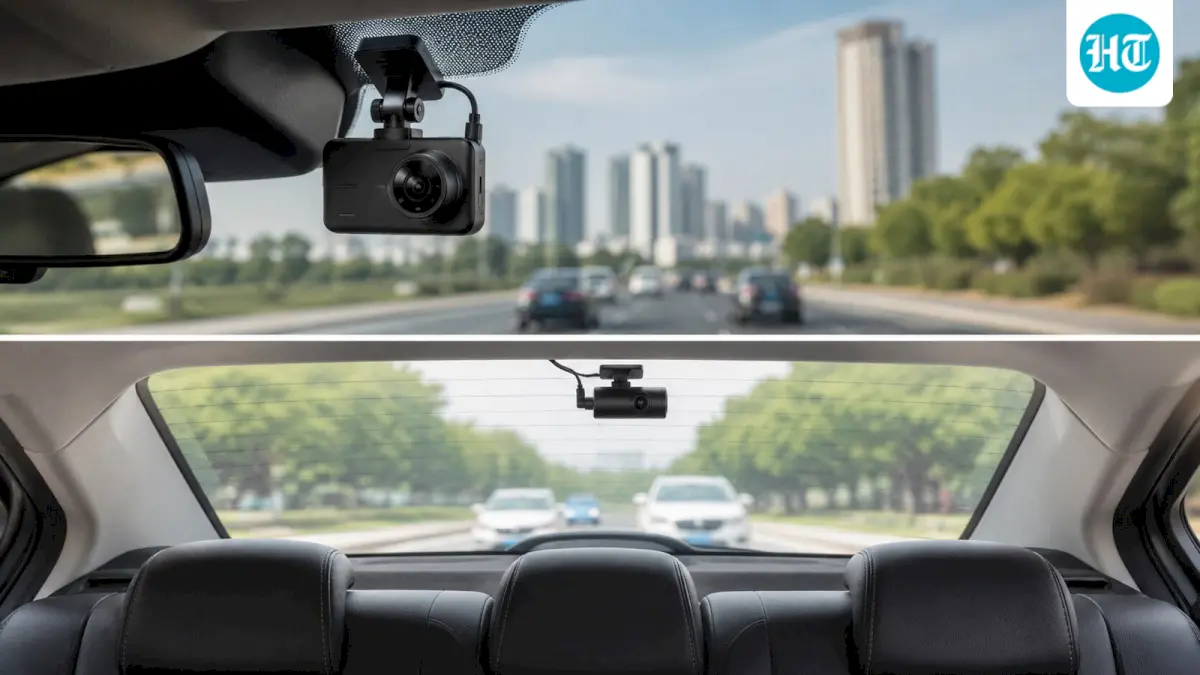
A front dashcam records the road ahead, but a dual-camera setup also captures rear incidents such as rear-end collisions and hit-and-runs, according to Hindustan Times. The additional camera mounts on the rear…
The Story in Brief
A front dashcam records the road ahead, but a dual-camera setup also captures rear incidents such as rear-end collisions and hit-and-runs, according to Hindustan Times. The additional camera mounts on the rear windshield and records simultaneously, giving drivers a fuller record of what happens around the vehicle.
Models such as 70mai's A400 and Qubo's Dashcam Pro 2K offer dual-channel recording with resolutions up to 1440p front and 1080p rear. A front-only dashcam is simpler, cheaper, and adequate for drivers who mainly want a record of what is ahead. The extra camera adds cost, more cable routing, and more storage management.
The Indian Opinion
Some online chatter insists no one should drive without a dual dashcam, as if a front camera is useless. That is exaggerated. For most city commuters, a front-facing dashcam covers the most likely accident scenarios. The rear camera matters for specific risks like being hit from behind while stationary. The real test for buyers: how often do you face rear collisions in your daily route? That number will settle the question.
Source: hindustantimes.com
This story was synthesised by AI from the source linked above.