





Now Reading: EAC-PM member Sanyal cautions against rushing US trade deal
-
01
EAC-PM member Sanyal cautions against rushing US trade deal


The Story in Brief
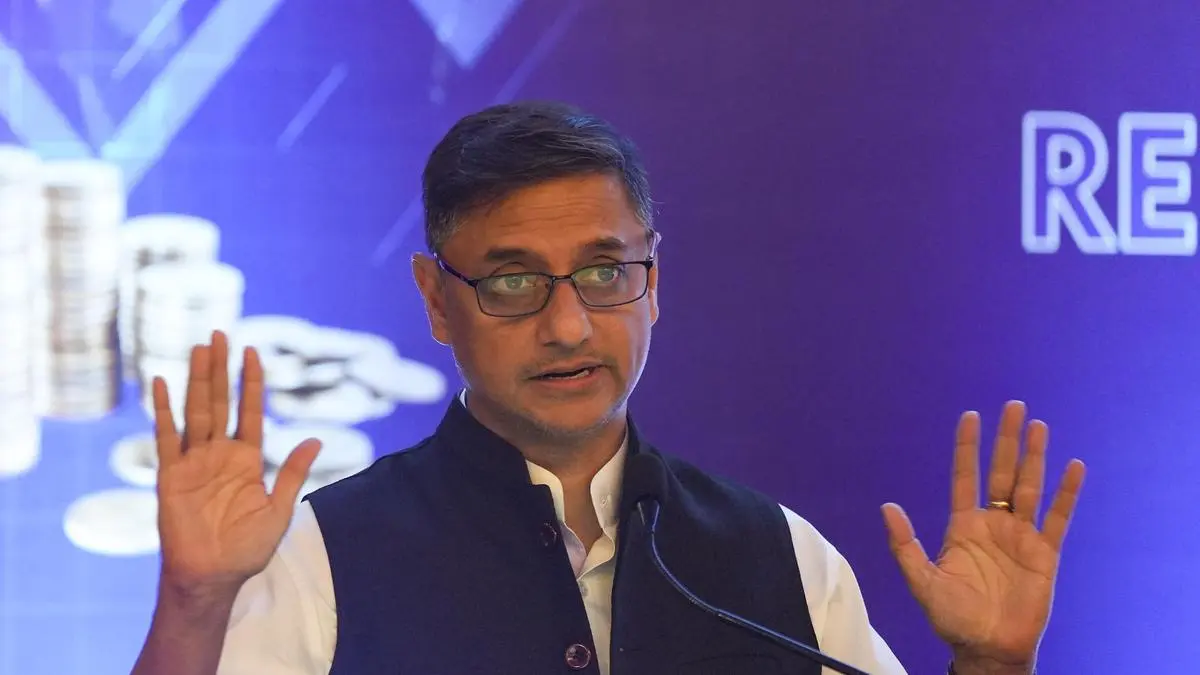
India should not rush to finalise a trade agreement with the United States and must ensure the pact protects the country's long-term interests, according to Sanjeev Sanyal, a member of the Economic Advisory Council to the Prime Minister (EAC-PM). In an interview with ANI, Sanyal said substantial progress has been made in negotiations but New Delhi should be prepared for further discussions if required, as the agreement would remain in force for a long period. "Because once we lock it in, it will be there for a fairly longish period. So for that reason, it is important that we don't hurry into it," he said.

Sanyal identified agriculture and dairy as politically sensitive areas that require particular attention. He also stressed the importance of building political consensus for a major agreement, drawing a parallel with the India-US civil nuclear deal. "When it comes to dairy, when it comes to agriculture, you can have again a street movement, whether it's Punjab or anywhere else," he warned. Sanyal said the government would ensure that the interests of the farming community are looked after.
He noted that repeated uncertainty over US tariffs has disrupted trade relations not just for India but for many countries, and said the US leadership would eventually need to provide greater policy stability. Sanyal said trade deals have become more important as the global multilateral trading system has weakened, and India is already progressing on pacts with Australia, the UK, the European Union and the US.
Indian Opinion Analysis
India's agriculture and dairy sectors employ roughly half the workforce and are politically powerful voting blocs, making any concession in a trade deal a high-stakes domestic issue. The parallel Sanyal draws with the 2008 India-US civil nuclear deal is telling: that agreement nearly brought down the Manmohan Singh government after Left parties withdrew support. Any India-US trade pact that touches dairy or farm tariffs will require either a carve-out or a politically costly opening. Watch for whether the government seeks parliamentary or cabinet-level ratification before signing, which would signal the sensitivity involved.
Source: thehindubusinessline.com
This story was synthesised by AI from the source linked above. Methodology and corrections.