



















Now Reading: Karnataka HC says ED not a ‘super cop’, quashes probe against Congress MLA
-
01
Karnataka HC says ED not a ‘super cop’, quashes probe against Congress MLA

Karnataka HC says ED not a ‘super cop’, quashes probe against Congress MLA

The Story in Brief
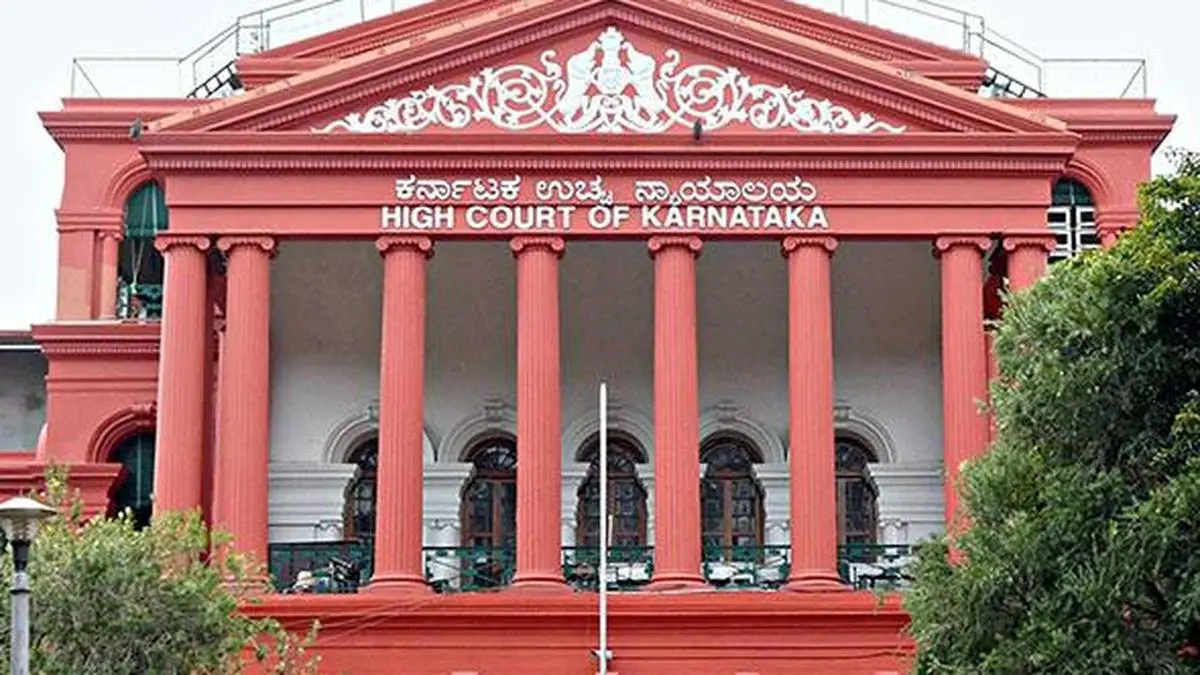
The Karnataka High Court on Saturday, 7 November, ruled that the Enforcement Directorate (ED) is ‘not a super cop’ and cannot file a private complaint to initiate a money-laundering probe when competent agencies decline to prosecute a scheduled offence. Justice M.I. Arun held that the ED’s power under the Prevention of Money-Laundering Act (PMLA) is ‘derivative and not original’, and that filing a private complaint under Section 200 Cr.P.C. or Section 223 BNSS is not contemplated under the PMLA.

The court allowed a batch of writ petitions filed by Congress MLA K.Y. Nanjegowda and others, challenging an ECIR registered in November 2023, seizure orders, summons, and the ED’s private complaint. The case stemmed from a ‘land scam’ complaint that ended in a closure report by the police and dismissal by the trial court for want of sanction. The ED had later filed a private complaint over a separate ‘job scam’ it claimed to have uncovered during searches. The court quashed the money-laundering probe against the petitioners and directed the return of seized assets.
Update, 7 November 2026: Madhyamam reports that the court also quashed a June 6, 2024 order of the PMLA Adjudicating Authority confirming seizure of assets and directed the return of seized articles. The other sources confirm the quashing of the ECIR and the probe against Nanjegowda and others.
Indian Opinion Analysis
The three sources uniformly report the court’s core holding: the ED’s power is derivative, not original, and it cannot investigate after the predicate offence is closed. Bar & Bench and The Hindu both lead with the ‘super cop’ observation and the principle of checks and balances, while Madhyamam emphasises the quashing of the ECIR and the return of seized assets. All three note the land scam closure and the ED’s separate ‘job scam’ complaint, but Madhyamam alone specifies that the land scam closure had ‘attained finality’, framing the ED’s action as legally unsustainable. The uniform coverage suggests no political slant in reporting, the main difference is the level of detail on procedural consequences. The next step is the return of assets as ordered by the court.
Coverage: 3 sources, 3 neutral
Sources (3): thehindu.com (neutral report), barandbench.com (neutral report), madhyamamonline.com (neutral report)
This brief was synthesised by AI from the 3 sources linked above, so one read covers every framing they carry. Methodology and corrections.