















Now Reading: Oiling raven eggs lifts sage-grouse nesting success, study finds
-
01
Oiling raven eggs lifts sage-grouse nesting success, study finds


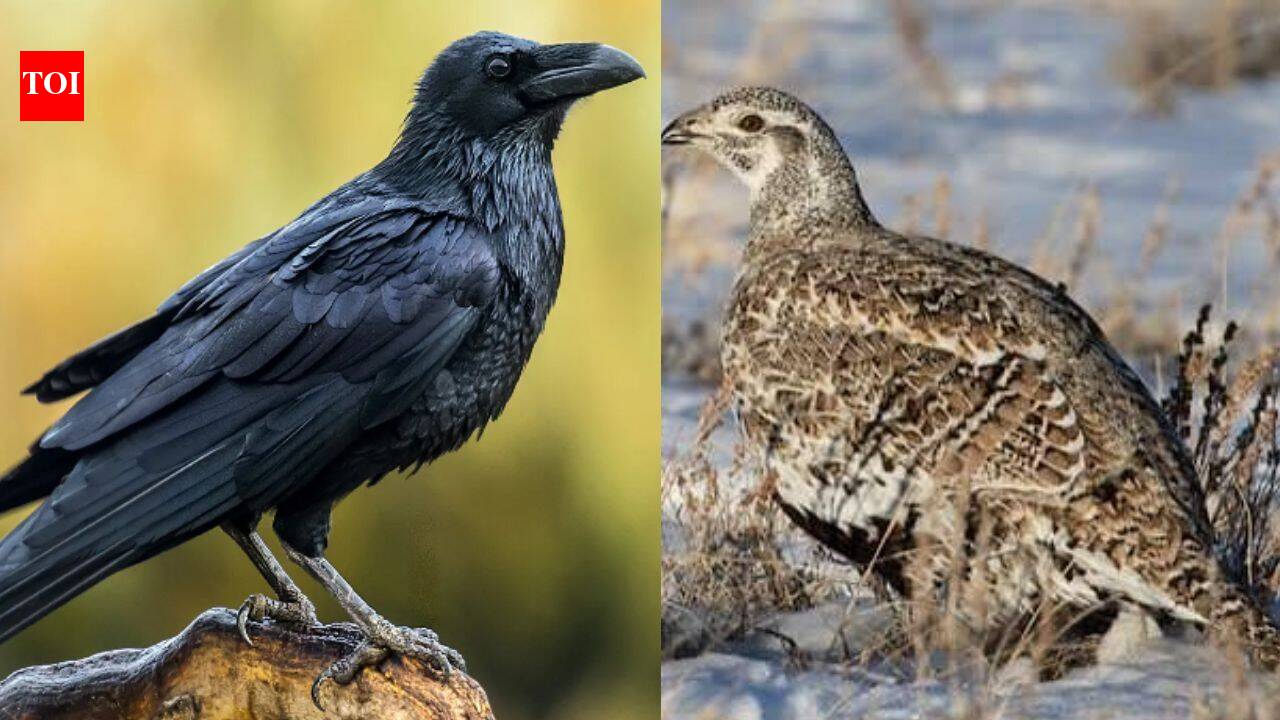
Coating raven eggs with non-toxic mineral oil more than doubled sage-grouse nest survival in treated areas, a study published in The Journal of Wildlife Management found. Sage-grouse, ground-nesting birds of western North…
The Story in Brief
Coating raven eggs with non-toxic mineral oil more than doubled sage-grouse nest survival in treated areas, a study published in The Journal of Wildlife Management found. Sage-grouse, ground-nesting birds of western North America, face heavy predation from ravens, whose numbers have risen with access to food and nesting sites created by human activity. Researchers also recorded a 44% increase in the relative abundance of sage-grouse compared with untreated areas. Egg oiling stops embryos developing while adults continue incubation, reducing the number of young ravens. The researchers said the method works locally but does not replace habitat protection or action on rubbish, roads, settlements and other causes of raven growth.
The Indian Opinion
The easy story is that ravens are simply the villains, or that one clever intervention has solved the conservation problem. Neither is fair. Ravens are benefiting from human-provided food and nesting sites, while sage-grouse also need healthy sagebrush habitat. Egg oiling may be a useful local tool, but its value should be judged beyond treated nests. The key test is whether sage-grouse populations keep rising after habitat and waste management improve.
Source: timesofindia.indiatimes.com
This story was synthesised by AI from the source linked above.
Updated: this story now draws on 1 sources.