























Now Reading: El Niño deficit of 26% in south India drives call for crop shift
-
01
El Niño deficit of 26% in south India drives call for crop shift


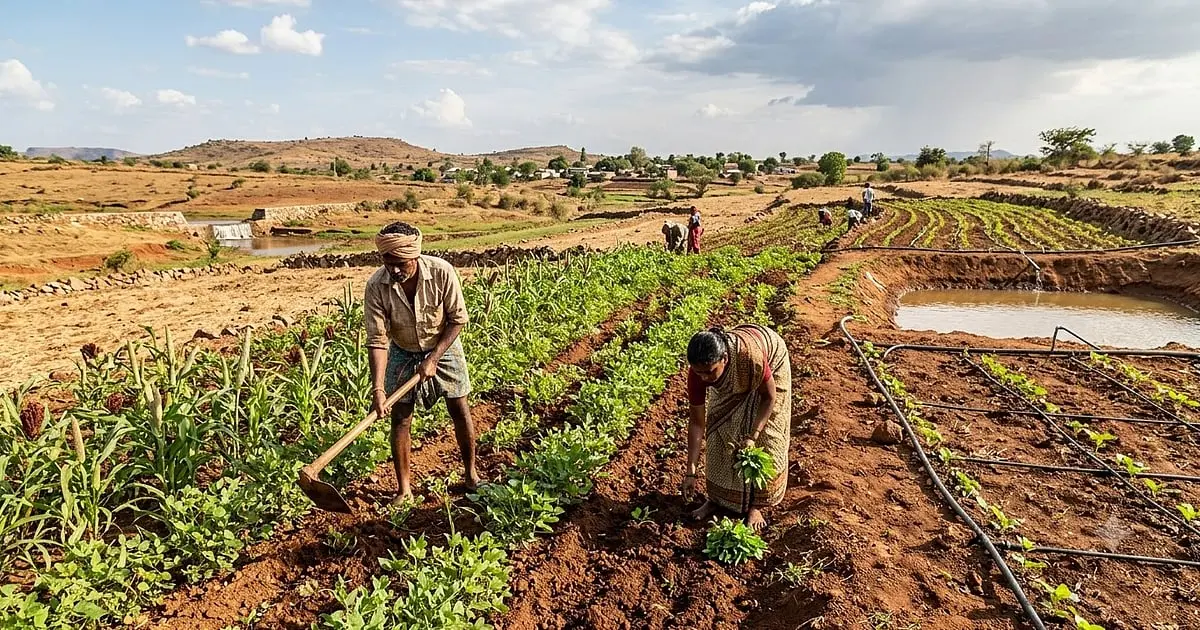
Southern Indian states must shift to climate-smart crops like millets, pulses, and oilseeds as rainfall patterns grow erratic, an expert has argued. The south-west monsoon in 2025 delivered above-normal cumulative rainfall of 787.4 mm across the southern region, but a sharp deficit of 26% emerged by late July due to strengthening El Niño conditions, with the South Peninsula receiving 259.7 mm against a normal of 353.1 mm.
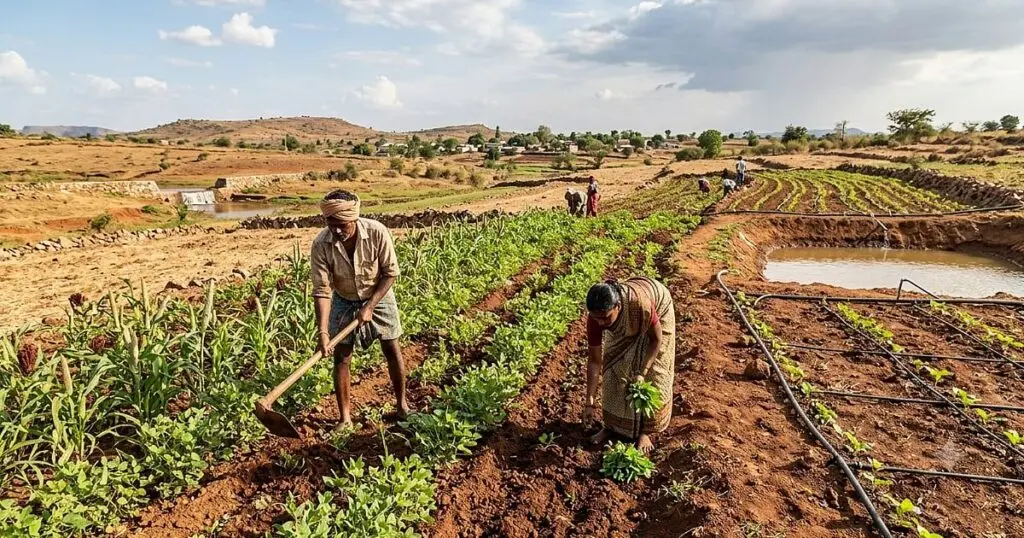
Rainfall varied widely by state: Andhra Pradesh, Telangana, and Karnataka saw surpluses, while Kerala and Tamil Nadu recorded deficits. Agriculture still employs 55-60% of the workforce in Andhra Pradesh, 50-55% in Telangana, and smaller shares elsewhere. The article recommends location-specific technologies, watershed development for Andhra Pradesh, micro-irrigation for Telangana, precision agriculture for Tamil Nadu, and rainwater storage for Kerala, and calls for farmer-producer organisations to help small farmers diversify away from water-intensive crops.
Indian Opinion Analysis
Southern India's rainfed agriculture faces a double bind: the workforce remains heavily agrarian, 55-60% in Andhra Pradesh, yet receives only 25-30% of the region's GSDP. The shift to millets, pulses and oilseeds requires more than farmer awareness, it demands functioning FPOs, assured procurement at MSP, and working crop insurance. Kerala's diversified workforce suggests its exposure is lower, but its hilly terrain and high rainfall variability pose unique water-management challenges. The real test will be whether states like Karnataka and Telangana can scale watershed and micro-irrigation programs beyond pilot districts before the next El Niño hits.
Source: deccanherald.com
This story was synthesised by AI from the source linked above. Methodology and corrections.