




















Now Reading: Super El Niño intensifies as India faces drought, farm losses
-
01
Super El Niño intensifies as India faces drought, farm losses


The Story in Brief
The super El Niño that weakened India’s 2026 southwest monsoon is expected to intensify, peaking around December, with the World Meteorological Organization projecting a Niño-3.4 anomaly of +3.7°C. The monsoon ended 12.6% below normal, with 759 mm of rain. The India Meteorological Department reported that 313 of India’s 741 districts logged 20% below normal rainfall, covering about 40% of the landmass across 15 states, as Asian Age and Deccan Chronicle note. The Core reports the IIT Gandhinagar Drought Monitor rated 51.2% of India’s geographical area as abnormally dry or in drought as of 23 September.
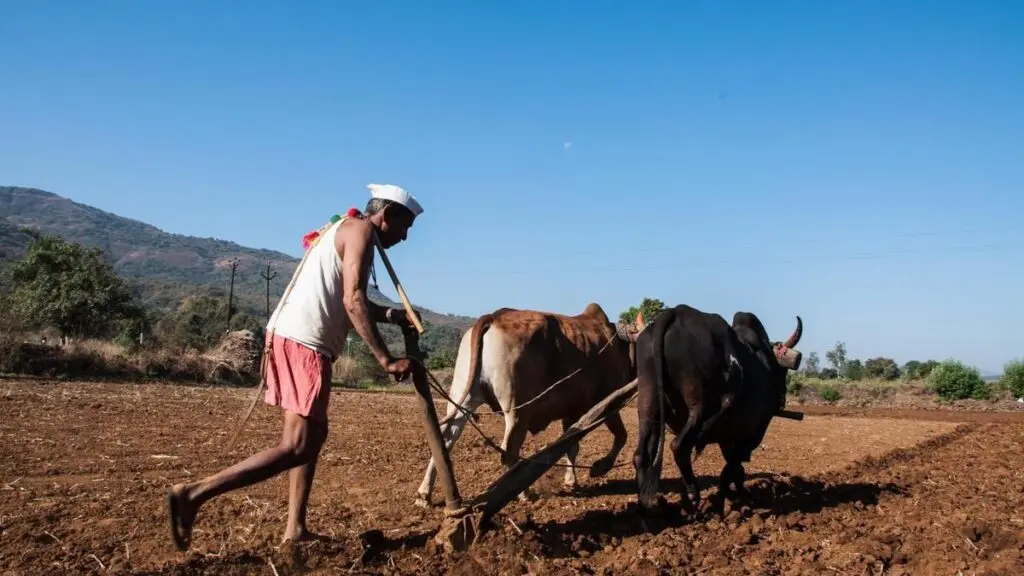
ICRIER’s Ramesh Chand told CNBC-TV18 that agricultural output could fall by 4% and farm growth could be near zero, with coarse grains, pulses and oilseeds worst hit. The Economic Times reports a University of Chicago projection of 15,800 additional heat-related deaths in India over the six months to February 2027. India Today notes reservoir storage was below the 10-year average at the end of the monsoon. The Financial Express reports the northeast monsoon has set in and is forecast to be normal, offering some hope for southern India. Foodgrain stocks of 602 lakh tonnes are three times the prescribed buffer, Asian Age and Deccan Chronicle say.
Update, 16 October 2026: ICRIER Distinguished Professor Ramesh Chand told CNBC-TV18 that agricultural output could decline 4% and farm growth remain near zero this year due to the El Niño, with rain-fed crops worst hit. Freepress Journal reports kharif production is expected to fall short of targets, and the government had not released its first advance estimate by 12 October. Financial Express reports the northeast monsoon has commenced over southern India with normal rainfall forecast, and the southwest monsoon has formally withdrawn.
Indian Opinion Analysis
The Asian Age and Deccan Chronicle frame this year’s El Niño in historical context by comparing it to the 1877 famine but simultaneously state food security is assured due to buffer stocks, downplaying broader risks. The Core and India Today focus on the immediate, acute distress: the IIT Gandhinagar Drought Monitor showing over half of India’s landmass as drought-hit, a 32% drop in MGNREGS job creation, and low reservoir storage. The Economic Times and Times of India emphasise the long-term health and temperature threats, 15,800 additional heat-related deaths forecast, and a warmer winter. Business Standard and Financial Express highlight the potential of a positive Indian Ocean Dipole and a normal northeast monsoon as limited mitigating factors. The uniform coverage across these sources confirms the monsoon deficit and super El Niño intensification, but the framings diverge between official reassurance and ground-level stress.
Coverage: 11 sources, 1 government-critical, 10 neutral
Sources (11): asianage.com (neutral report), deccanchronicle.com (neutral report), timesofindia.indiatimes.com (neutral report), business-standard.com (neutral report), economictimes.indiatimes.com (neutral report), thecore.in (government critical), indiatoday.in (neutral report), marketplace.org (neutral report), cnbctv18.com (neutral report), freepressjournal.in (neutral report), financialexpress.com (neutral report)
This brief was synthesised by AI from the 11 sources linked above, so one read covers every framing they carry. Methodology and corrections.