








Now Reading: Eurasian Lynx Photographed At 5,250 Metres In Sikkim
-
01
Eurasian Lynx Photographed At 5,250 Metres In Sikkim


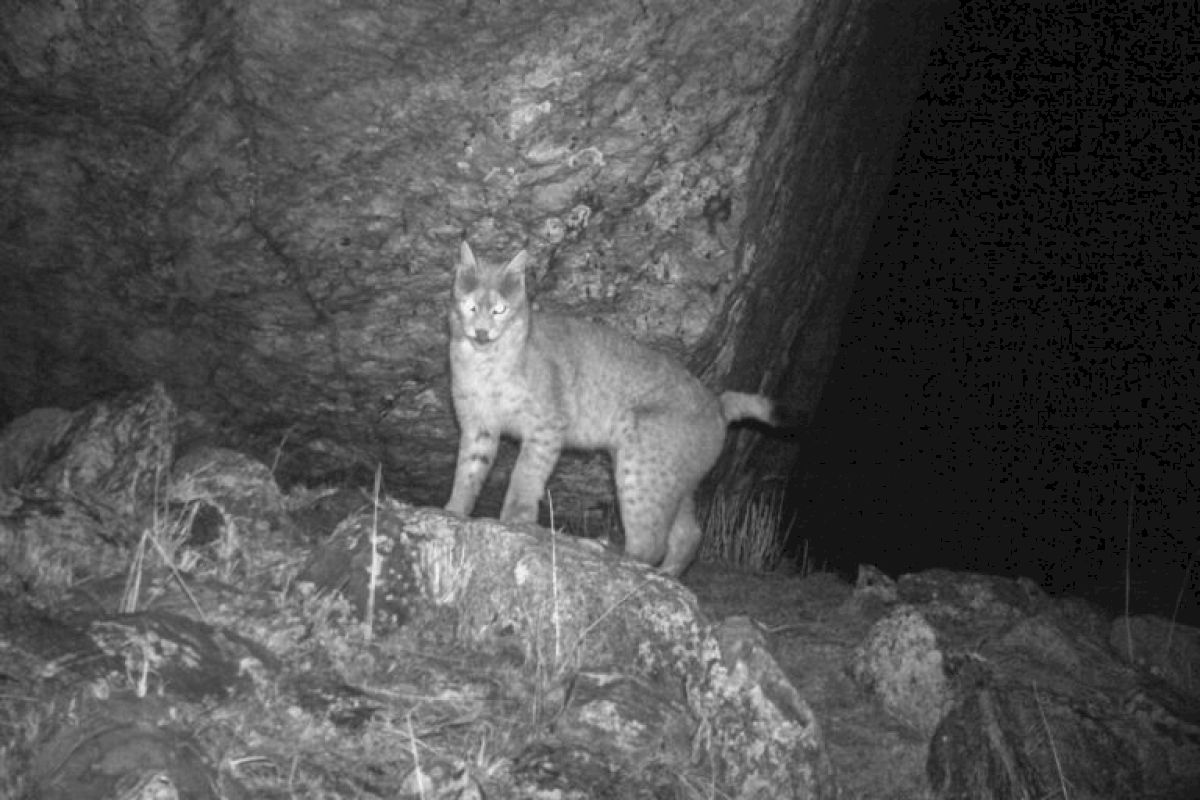
A camera trap has recorded a Eurasian lynx at 5,250 metres on Sikkim’s Tso Lhamo plateau, providing the first confirmed photographic evidence of the species in the state. The image was captured…
The Story in Brief
A camera trap has recorded a Eurasian lynx at 5,250 metres on Sikkim’s Tso Lhamo plateau, providing the first confirmed photographic evidence of the species in the state. The image was captured in January 2026 in Mangan district through a snow leopard and rangeland monitoring programme run by the Sikkim forest department and WWF-India. It is the second photographic record of the lynx in the Eastern Himalayas, following documentation in Arunachal Pradesh in 2025.
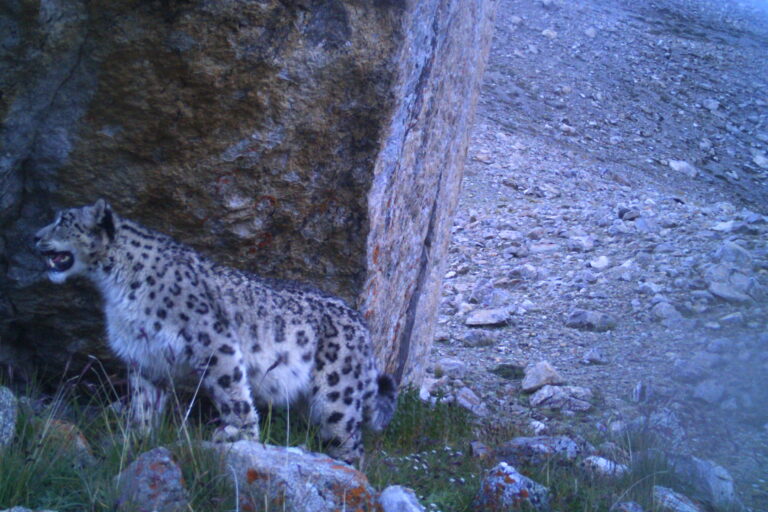
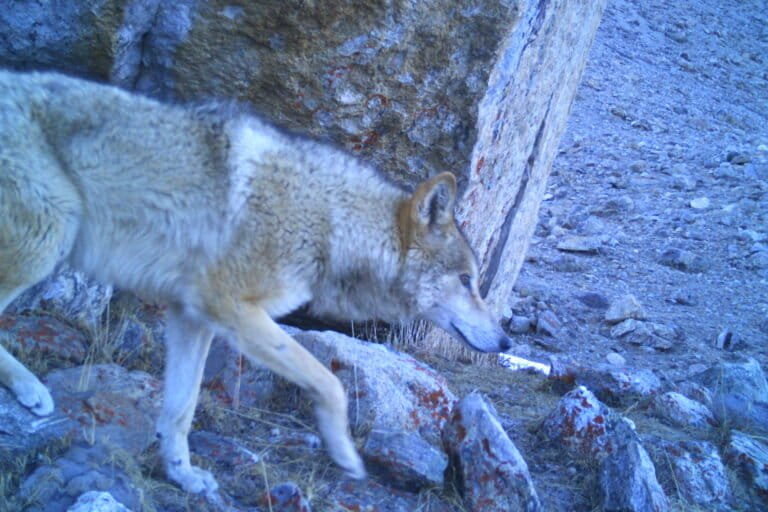
The plateau also supports snow leopards, Pallas’s cats, Tibetan wolves, sand foxes, gazelles, argali and kiang. Researchers say this mix of predators and herbivores shows that the high-altitude rangeland is a functioning ecosystem, not a barren cold desert. They have called for continued monitoring and possible transboundary cooperation, given the lynx’s long-distance movements and Sikkim’s open boundary with Tibet.
The Indian Opinion
The lazy view that high-altitude rangelands are empty wastelands is as weak as treating one photograph as proof of a thriving population. A lynx image confirms presence, not numbers, breeding or habitat security. Conservation plans should track prey, livestock pressure and repeat sightings, while local institutions such as the Lachen Dzumsa remain part of the work. The useful test now is whether future surveys record lynx repeatedly across seasons and locations.
Source: india.mongabay.com
This story was synthesised by AI from the source linked above.