



















Now Reading: Extreme heat far deadlier for elderly than previously thought
-
01
Extreme heat far deadlier for elderly than previously thought


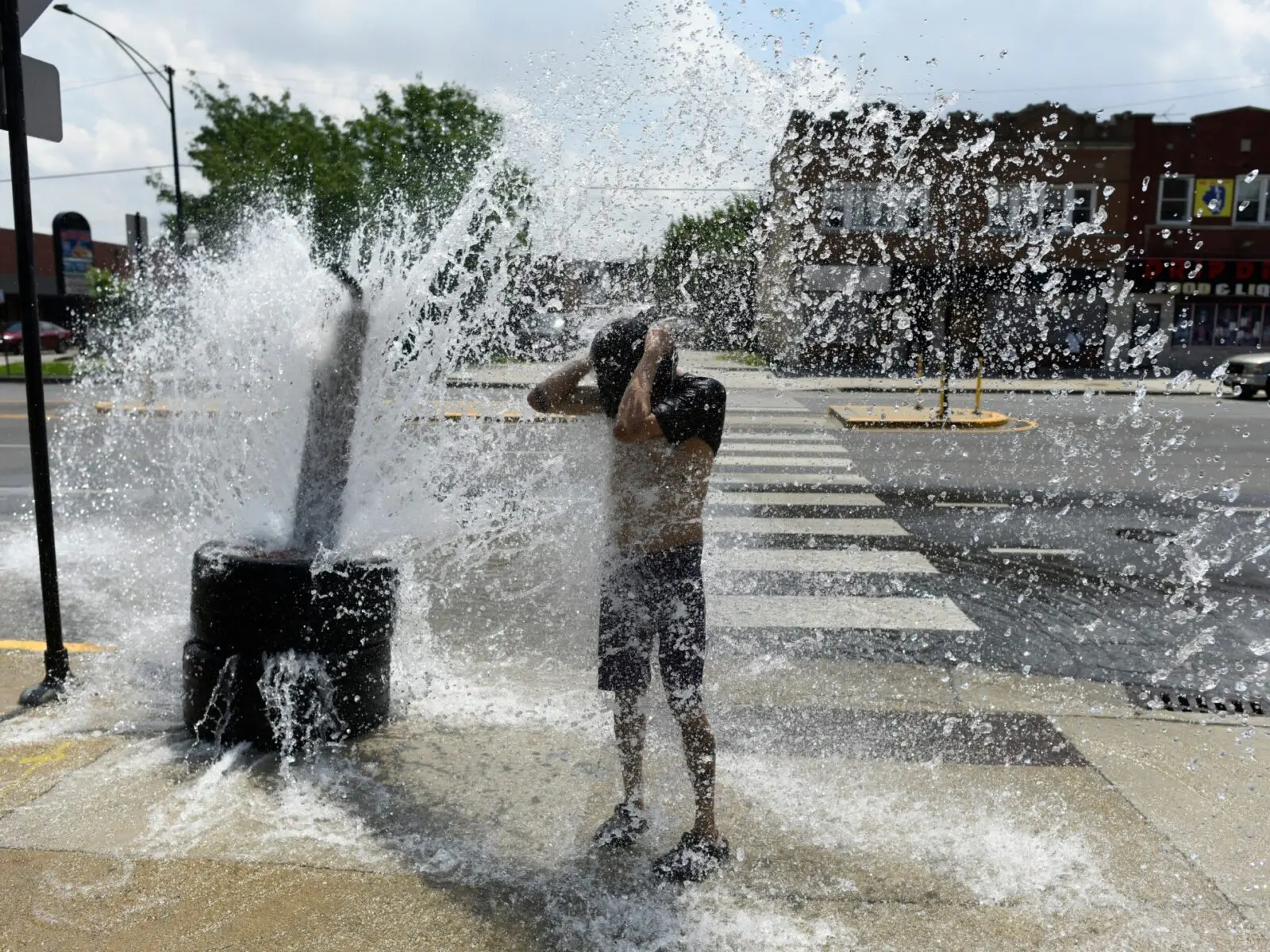
A new Stanford University study warns that extreme heat is far more dangerous for elderly people than earlier assessments suggested. Researchers found that previous studies underestimated the risk because they assumed everyone could tolerate heat as well as a healthy young adult. Older people reach a point of 'uncompensable heat stress', where the body cannot cool itself, much sooner and at lower temperatures than younger adults.

The study projects that the number of people aged 60 and older will more than double from 1 billion in 2020 to 2.1 billion by 2050, making up 21 percent of the global population. It estimates that the number of elderly people exposed to at least 180 hours a year beyond their tolerable heat limit is already more than double previous estimates. This threshold indicates conditions that could cause heat-related illness or death, though not everyone exposed will become ill.
Elderly people in low-income countries such as India, China, and Pakistan face the highest risk even at 1.5°C of global warming. The study notes that most heatwave deaths are not directly from overheating but from worsened cardiovascular, renal, and respiratory conditions. Global warming is currently estimated at about 1.4°C above preindustrial levels, with the annual global average crossing 1.5°C for the first time in 2024.
Indian Opinion Analysis
The Stanford study reframes a known vulnerability with a new metric: age-specific heat tolerance. Previous heat warnings often used a single temperature threshold, masking the disproportionate risk to older populations. India, with its large and growing elderly population and frequent heatwaves, faces a compounding challenge. The body's reduced sweating and cardiac response in older adults mean that even moderate heat spikes can be fatal. Heat action plans in Indian cities currently target general population thresholds, this study suggests they may need age-specific advisories and cooling centre policies. Watch for whether state disaster management authorities adjust their heatwave triggers based on age demographics.
Source: aljazeera.com
This story was synthesised by AI from the source linked above. Methodology and corrections.