













Now Reading: Europe heatwave puts 27 Italian cities on highest alert
-
01
Europe heatwave puts 27 Italian cities on highest alert



Italy placed all 27 cities in its national heat surveillance network under the highest heat alert on Thursday as temperatures exceeded 40°C in several European countries. Austria recorded a national high of…
The Story in Brief
Italy placed all 27 cities in its national heat surveillance network under the highest heat alert on Thursday as temperatures exceeded 40°C in several European countries. Austria recorded a national high of 41.2°C at Bad Deutsch-Altenburg, while The Times of India reports that Slovakia reached 42.2°C at Dolne Plachtince. Heat and drought have disrupted power generation, shipping and tourism. Hungary’s nuclear plant cut output to about 10% of normal as low Danube levels affected cooling, while Germany warned that falling river levels could hit inland transport and industry.
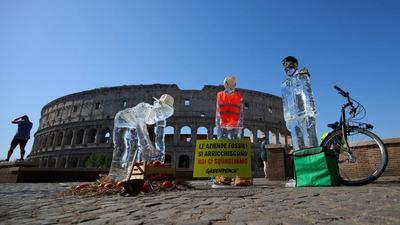
Wildfires continued in southeastern France and the Balkans. Italy urged people to avoid direct sunlight, stay indoors during the hottest hours and drink water. Rome extended evening hours at landmarks, installed mist fans at the Colosseum and added medical stations. Scientists and officials link the increasing frequency and severity of such heat events to climate change.
The Indian Opinion
The lazy claim that Europe is simply facing an unusually hot summer misses the strain on rivers, power stations and public health. The opposite claim, that one heatwave alone proves every climate forecast, is also too sweeping. The useful measure is whether these disruptions recur and whether governments reduce exposure before the next peak. Watch river levels, power output and the number of cities placed on red alert next summer.
Sources (2): economictimes.indiatimes.com, timesofindia.indiatimes.com
This story was synthesised by AI from the 2 sources linked above.
Updated: this story now draws on 2 sources.