















Now Reading: Global food brands use different recipes in India, Reuters finds
-
01
Global food brands use different recipes in India, Reuters finds


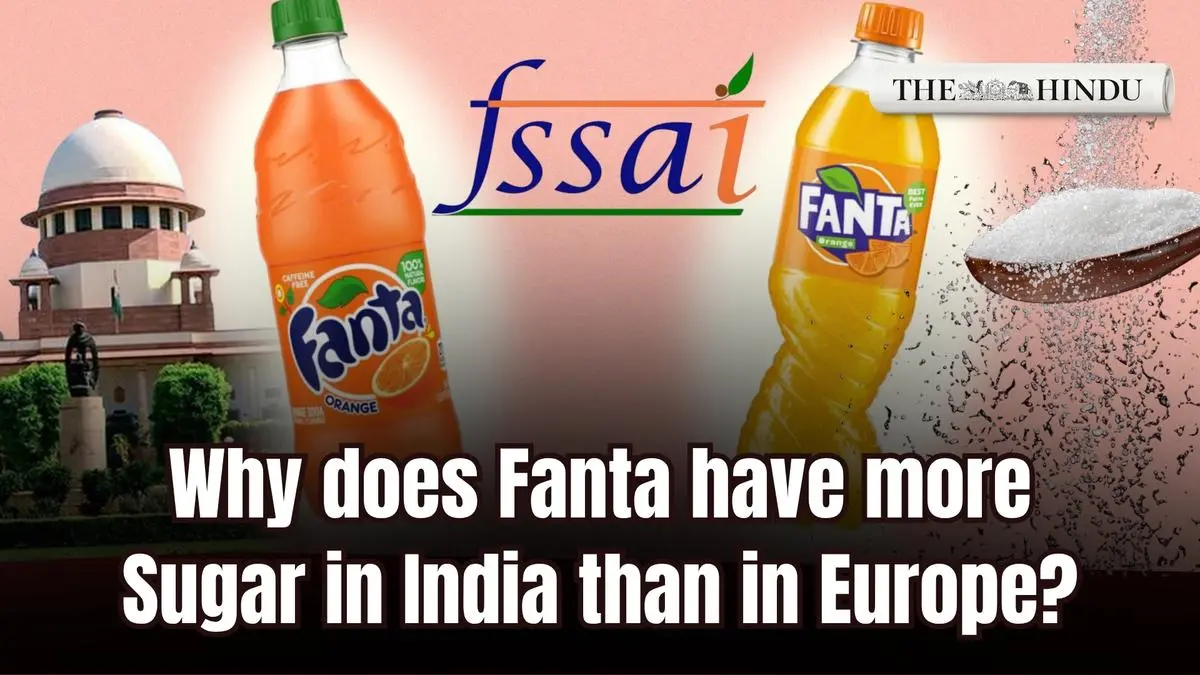
A Reuters investigation has found that multinational food companies, including Nestlé and PepsiCo, sell products with different ingredients in India compared to other countries. Nestlé's Indian KitKat contains 4.5% cocoa solids, while the Australian version has at least 22% cocoa. Maggi noodles sold in India use palm oil, while UK variants use the more expensive sunflower oil. The report notes that many UK-sold Maggi packets are made in India but carry red front-of-pack labels warning of high salt levels.
Content creator Revant Himatsingka, known as Food Pharmer, has posted videos comparing the products, arguing Indian consumers are offered lower-quality items. He has over 5 million followers across YouTube and Instagram. The report also notes that in 2024, Nestlé announced a sugar-free Cerelac for India after activists raised concerns. PepsiCo obtained a court order in 2023 to remove a Himatsingka video questioning its Sting drink. In July, Indian regulators directed companies to stop marketing such products as 'energy drinks'.
The Food Safety and Standards Authority of India (FSSAI) told the Supreme Court in August that aligning India's packaging rules with international standards was 'difficult'. The court had asked regulators to examine warning labels after activists approached it. Industry estimates suggest 80% of products in India's packaged food market could be classified as high in fat, sugar or salt.
Indian Opinion Analysis
Livemint's reporting foregrounds the lower-quality claim and frames FSSAI's 'difficult' position as a retreat from the court's health concerns, while The Hindu's explainer treats the differences as a market adaptation without endorsing consumer grievance. The livemint piece also includes the industry estimate that 80% of packaged products could be classified as unhealthy, adding weight to activist pressure. The balanced reading is that companies make legal market-specific choices, but regulators have yet to mandate the transparency that would let Indian consumers make the same informed choice as buyers in the UK or Australia. The Supreme Court hearing on labelling rules will determine whether that gap closes.
Coverage: 2 sources, 1 government-critical, 1 neutral
Sources (2): thehindu.com (neutral report), livemint.com (government critical)
This brief was synthesised by AI from the 2 sources linked above, so one read covers every framing they carry. Methodology and corrections.
Updated: this story now draws on 2 sources.