




















Now Reading: Fidel Castro birth centenary: revolutionary legacy endures
-
01
Fidel Castro birth centenary: revolutionary legacy endures


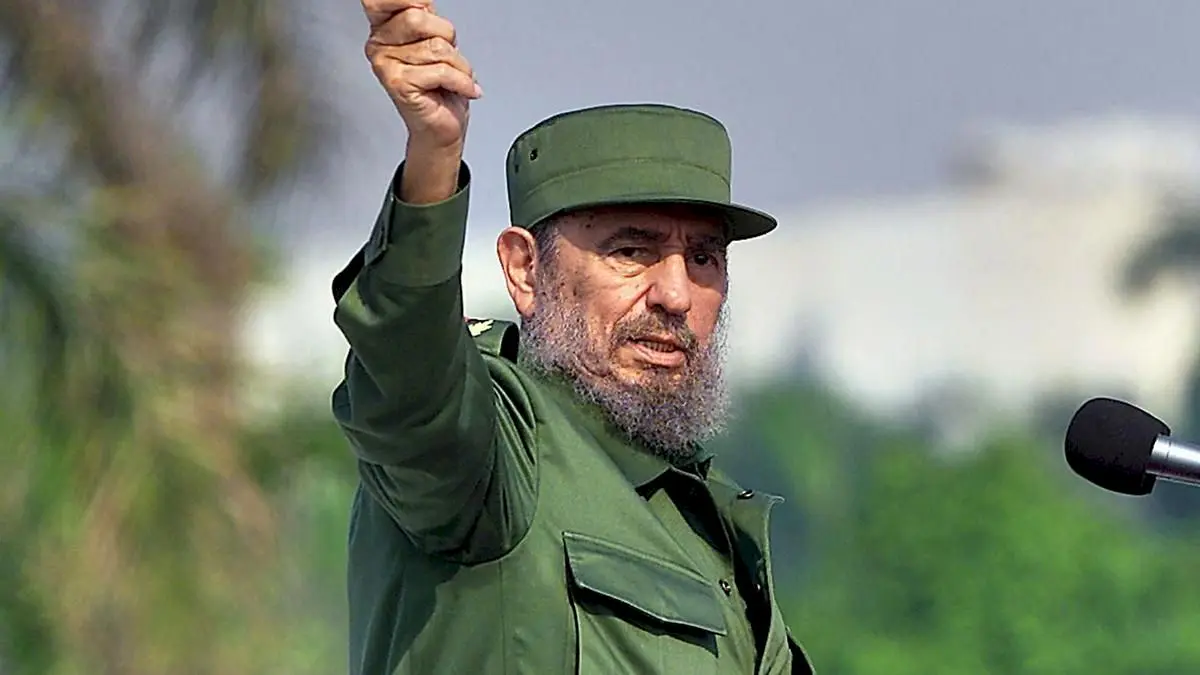
The 100th birth anniversary of Fidel Castro, born on August 13, 1926 in Birán, Cuba, is being observed at a time when the absence of a leader of his stature to unite…
The Story in Brief
The 100th birth anniversary of Fidel Castro, born on August 13, 1926 in Birán, Cuba, is being observed at a time when the absence of a leader of his stature to unite the Global South against what The Hindu calls "imperialist domination" is acutely felt. The article surveys his journey from student activist and electoral candidate to revolutionary leader after Fulgencio Batista's 1952 coup. Despite the failure of the 1953 Moncada barracks assault, Castro turned military defeat into political victory by linking his movement to national hero José Martí.
After imprisonment and exile, Castro returned on the yacht Granma with 81 others, including Che Guevara. From a small band surviving in the Sierra Maestra mountains, he built a rebel army that overthrew Batista on January 1, 1959, showing that a socialist state could exist in the western hemisphere.
The Indian Opinion
The article's hero-worship of Castro glosses over his authoritarian rule, suppression of dissent, and economic failures that caused shortages and emigration. A balanced view must acknowledge both his defiance of U.S. hegemony and the human cost of his revolution. The real test is whether Cuba's post-Castro reforms will lift ordinary Cubans without sacrificing sovereignty, a question Fidel's legacy cannot answer alone.
Source: thehindu.com
This story was synthesised by AI from the source linked above.