








Now Reading: Filmmaker Kuku Kohli dies after stent, raising heart attack questions
-
01
Filmmaker Kuku Kohli dies after stent, raising heart attack questions

Filmmaker Kuku Kohli dies after stent, raising heart attack questions

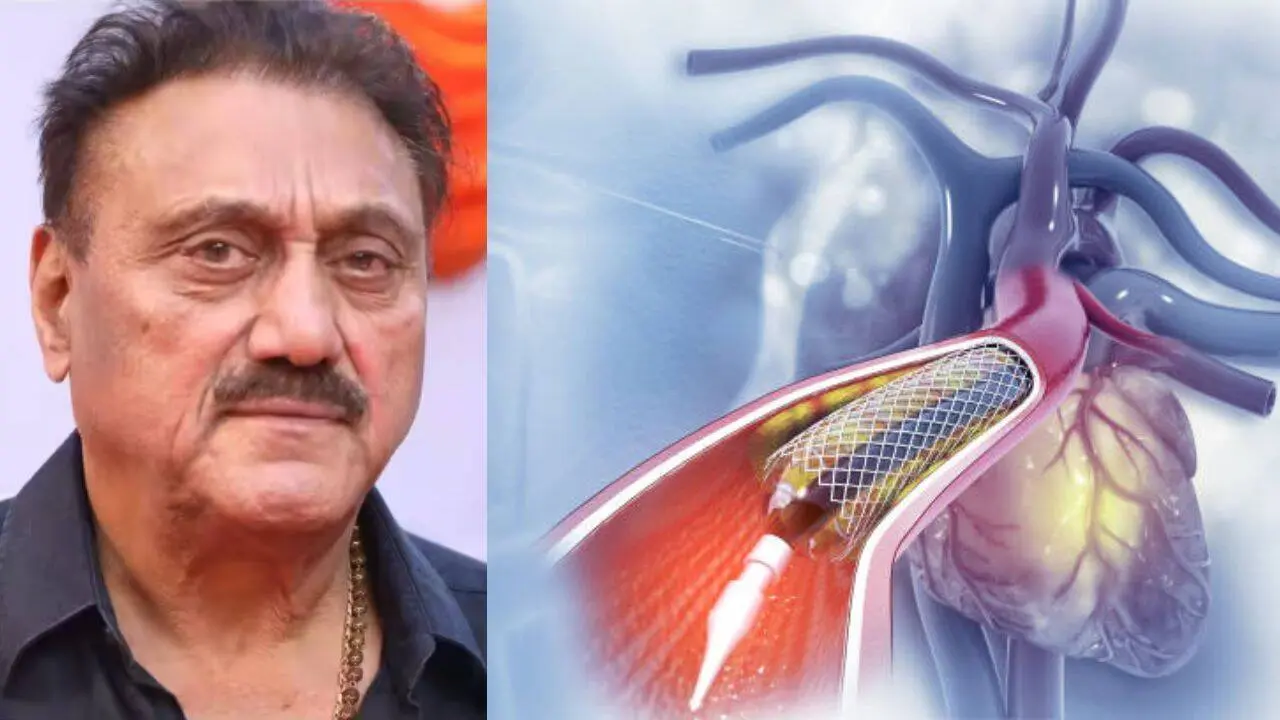
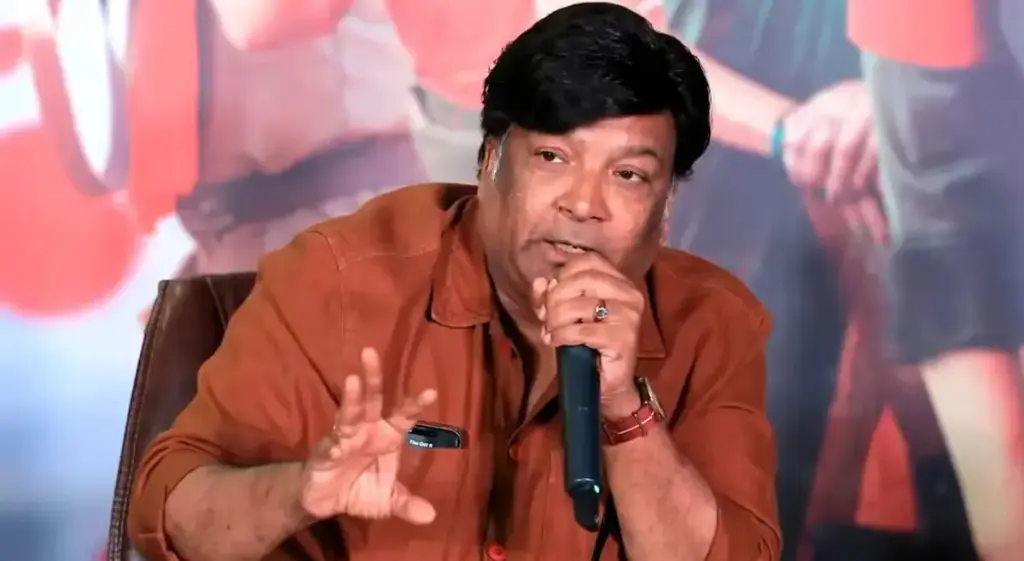
Filmmaker Kuku Kohli, known for directing Phool Aur Kaante, died at 77 after a major cardiac event at Mumbai's Kokilaben Dhirubhai Ambani Hospital. He had been admitted following a heart attack and underwent angioplasty with stent placement, but his condition later deteriorated. His death has renewed focus on whether a stent guarantees survival.
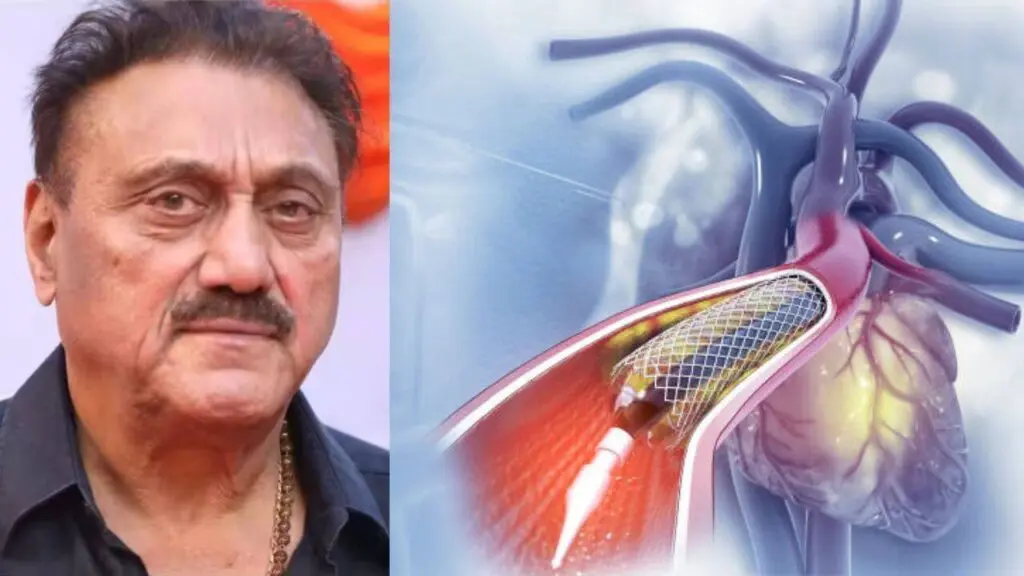
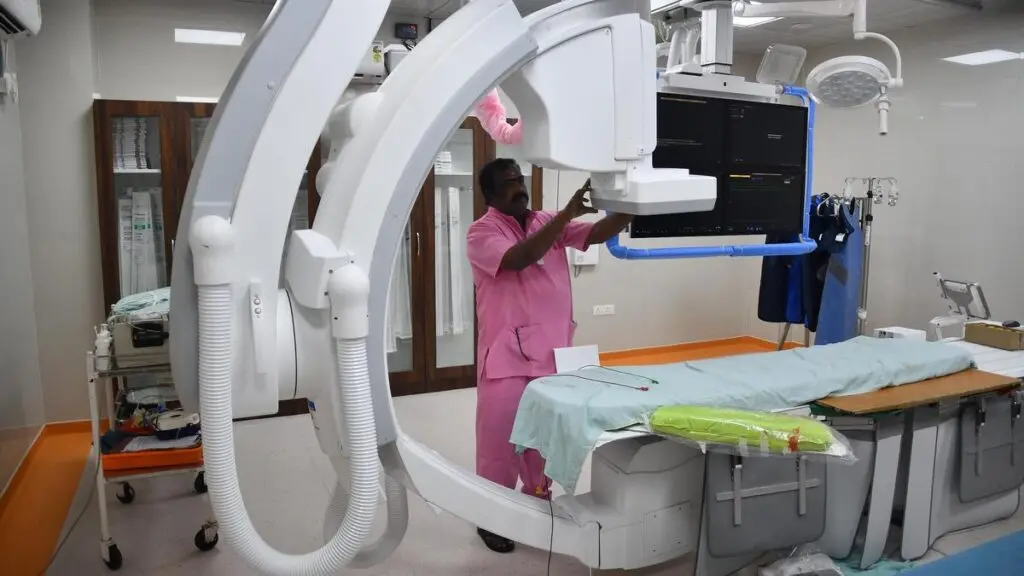
Doctors say a stent restores blood flow through a blocked coronary artery but cannot reverse heart muscle already permanently damaged. Severe attacks can weaken the heart's pumping ability, causing heart failure, cardiogenic shock, or dangerous arrhythmias that lead to sudden cardiac arrest. Even after successful stent placement, patients can deteriorate from extensive myocardial damage or from a blood clot forming inside the stent itself, a rare event called stent thrombosis.
Stent thrombosis is preventable with strict adherence to antiplatelet medication. Patients must never stop therapy without consulting their doctor. A stent treats only one specific blockage, coronary artery disease remains a systemic condition requiring long-term management of cholesterol, blood pressure, diabetes, and lifestyle factors.
Indian Opinion Analysis
Sudden cardiac death after a stent is rare but documented. The risk is highest in the first 30 days post-procedure, when the heart is still recovering from the infarction and the stent endothelium is not fully formed. Antiplatelet adherence is critical because stent thrombosis, though uncommon with drug-eluting stents used since the mid-2000s, can be fatal. The broader context is that coronary artery disease is a systemic, progressive condition: treating one blockage does not cure the disease. The patient's underlying risk factors, hypertension, diabetes, smoking, cholesterol, must be managed lifelong. For the Mumbai medical community, Kuku Kohli's case will reinforce protocols for post-angioplasty monitoring, particularly for patients who present late after symptom onset, when myocardial damage is already extensive.
Source: timesnownews.com
This brief was synthesised by AI from the source linked above. Methodology and corrections.