














Now Reading: Florida completes restoration of 55,000 acres drained for 1960s subdivision
-
01
Florida completes restoration of 55,000 acres drained for 1960s subdivision

Florida completes restoration of 55,000 acres drained for 1960s subdivision


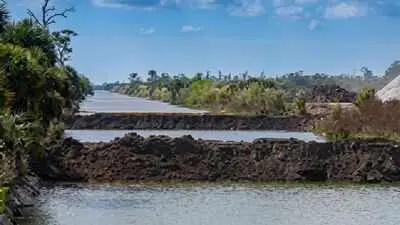
Southwest Florida has completed the Picayune Strand Restoration Project, reversing drainage from the 1960s when the land was cleared for the world's largest residential subdivision. The project removed over 260 miles of…
The Story in Brief
Southwest Florida has completed the Picayune Strand Restoration Project, reversing drainage from the 1960s when the land was cleared for the world's largest residential subdivision. The project removed over 260 miles of roads, plugged nearly 50 miles of canals, and built three pump stations to restore natural water flow across 55,000 acres of wetlands. It is part of the Comprehensive Everglades Restoration Plan. Officials expect improved habitat for fish and wildlife, including the Florida panther, better aquifer recharge, and reduced freshwater releases downstream. The work aims to protect Collier Seminole State Park, Ten Thousand Islands National Wildlife Refuge, and Rookery Bay National Estuarine Research Reserve.
The Indian Opinion
The Picayune Strand restoration is a rare success story in a world full of broken environmental promises. But Indian readers should note the contrast: while Florida reverses a failed real estate gamble, India still struggles to enforce its own wetland conservation rules. The real test for Picayune Strand will come in the next decade, will the Florida panther population recover, or will the aquifer recharge rates actually improve? Without measurable outcomes, any restoration is just a photo op.
Source: timesofindia.indiatimes.com
This story was synthesised by AI from the source linked above.
Updated: this story now draws on 1 sources.