













Now Reading: Discarded SpaceX Falcon 9 stage crashes into Moon
-
01
Discarded SpaceX Falcon 9 stage crashes into Moon



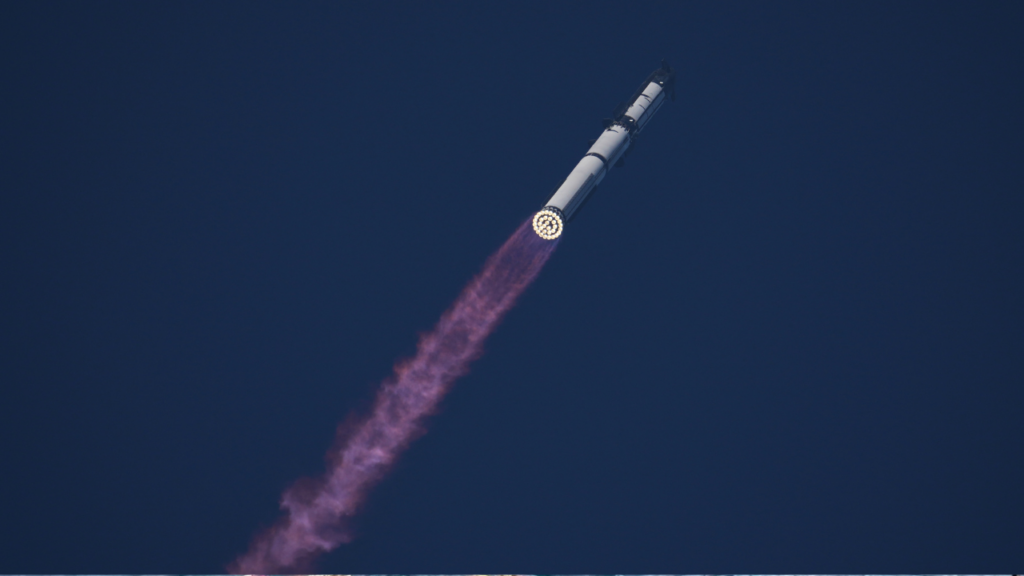
A four-tonne SpaceX Falcon 9 upper stage struck the Moon at about 5,400 mph after drifting through space for more than a year. The impact occurred near Einstein Crater and was not…
The Story in Brief
A four-tonne SpaceX Falcon 9 upper stage struck the Moon at about 5,400 mph after drifting through space for more than a year. The impact occurred near Einstein Crater and was not intentional. A telescope in Chile detected a sodium and lithium plume lasting five to 10 minutes, providing evidence of the collision. NASA expects a crater about 18 metres wide and four metres deep, though other estimates put it wider. The Lunar Reconnaissance Orbiter is expected to photograph the site.

The stage was launched in January 2025 after carrying lunar landers towards the Moon. Times Now identifies the payload as Firefly’s Blue Ghost and ispace’s Resilience, while The Times of India names ispace’s Hakuto-R. SpaceX attributed the altered trajectory to solar activity and gravitational forces. Scientists say the impact could help study lunar ejecta, while also renewing concerns over uncontrolled space debris.
The Indian Opinion
The easy story is that careless companies are turning the Moon into a rubbish dump, while the opposite lazy claim is that one extra crater does not matter. Both miss the practical issue. The collision was unplanned, but future lunar traffic will be far heavier, and uncontrolled hardware can damage missions or complicate scientific readings. The useful test is whether agencies publish disposal rules and track compliance before the next lander launches, not whether this crater is visible from Earth.
Sources (2): timesofindia.indiatimes.com, timesnownews.com
This story was synthesised by AI from the 2 sources linked above.
Updated: this story now draws on 2 sources.